Cape Verde’s best kept secret. Refuge for nature lovers
Santo Antão — Cape Verde’s best kept secret
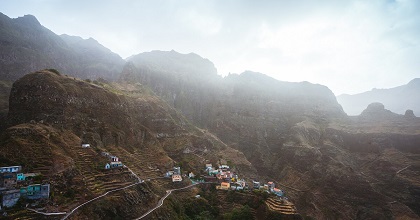
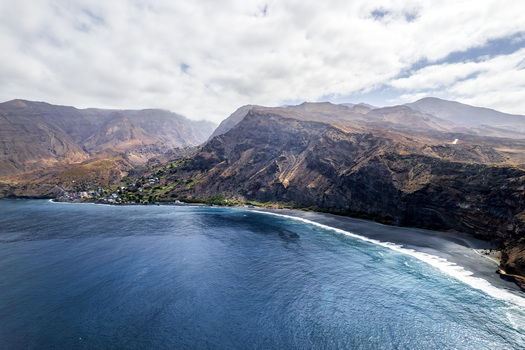
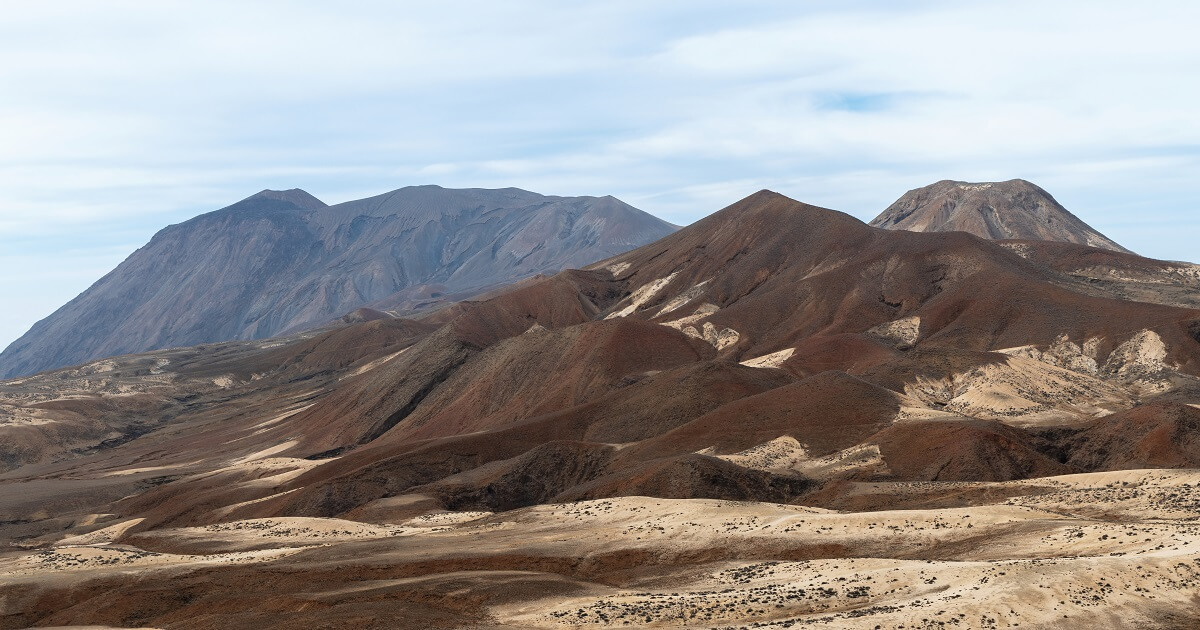
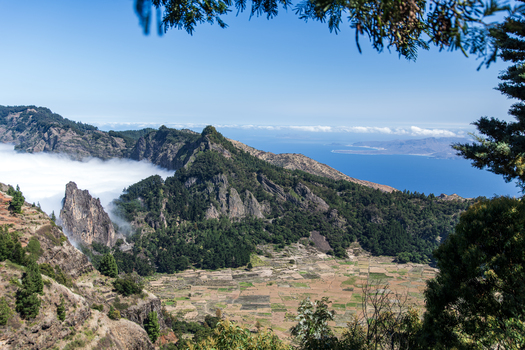
Santo Antão is Cape Verde’s best-kept secret. Often overlooked by mainstream travel guides, this island is a paradise for those who love trails, mountains, and nature in its purest form.
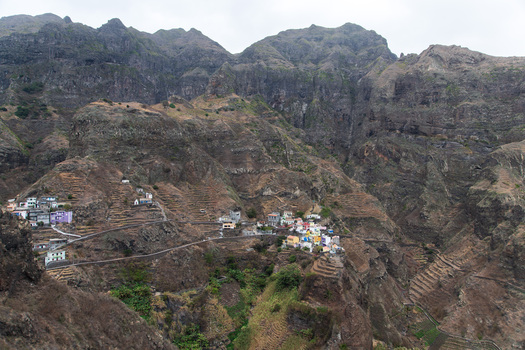
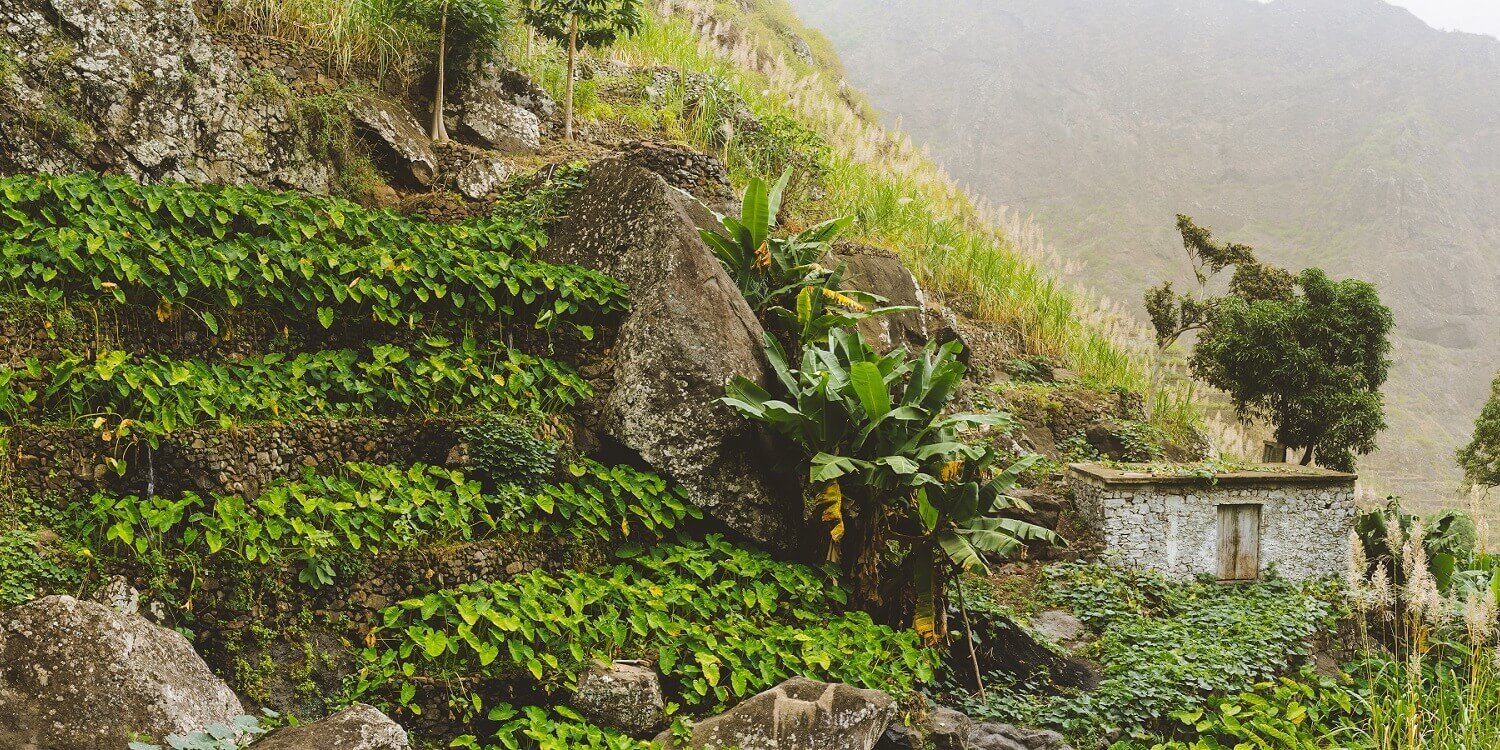
Its dramatic landscapes, lush vegetation, small village homes, and a community largely rooted in agriculture create an extraordinary setting for curious hikers.
Whether exploring on foot or by bike, enjoying a picnic, or simply taking in the stunning scenery, the island offers unforgettable experiences—made even richer by the people who call it home.
Santo Antão is the perfect place to walk, unwind, and quietly contemplate.
About Santo Antão
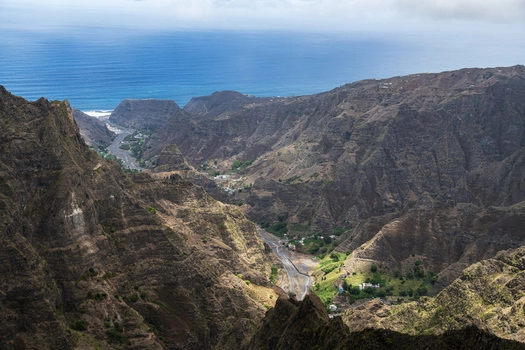
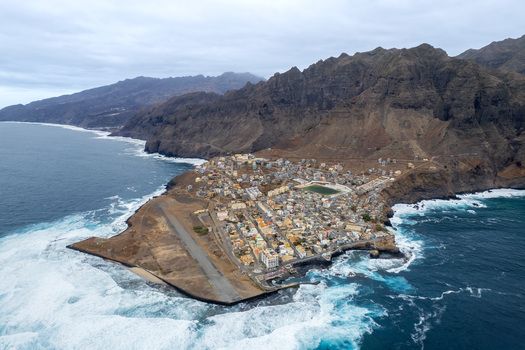
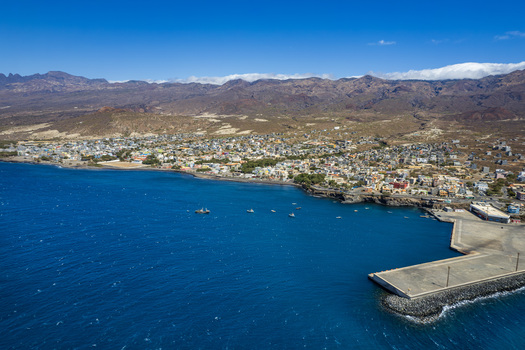
Santo Antão, located in the northwest of Cabo Verde, is an island of remarkable beauty and striking contrasts. From dramatic rocky landscapes and vast ocean views to fertile green valleys, the island offers a powerful and unforgettable natural experience. Discovered in 1462 by Portuguese explorers, Santo Antão reflects a rich blend of European, African, and South American influences. Its capital is Porto Novo, with Ribeira Grande and Paul standing out as important cultural and population centers.
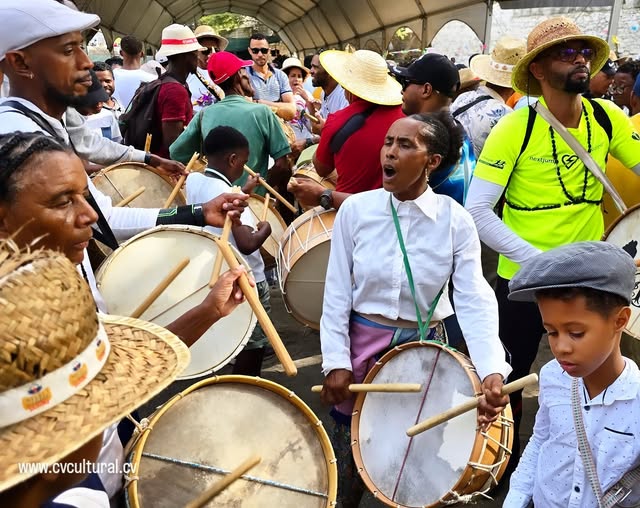
The island has long inspired musicians, artists, and writers, including the renowned poet Corsino Fortes. Santo Antão’s cultural identity is deeply rooted in its diverse heritage, brought to life through traditional music and dance. Styles such as morna, coladeira, and funaná are central to local life, expressing the soul, history, and rhythm of the island.
Trails & Hiking Adventures
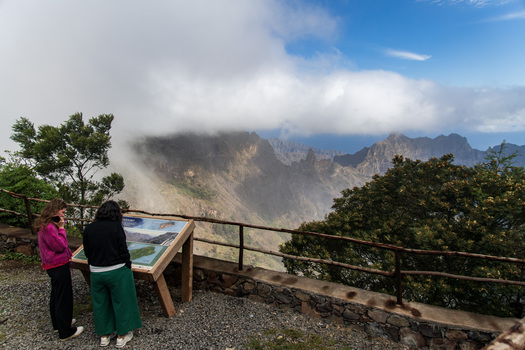
Santo Antão is one of the world’s top hiking destinations, known for rugged mountains, deep valleys, and dramatic coastal views.
Highlighted Trails
Cova – Paul – Ribeira das Patas: Passes through fertile Paul Valley and mountain ridges with panoramic views.
Cruzinha – Ponta do Sol Circuit: Coastal and valley trek through villages like Fontainhas and Xoxo.
Ribeira da Torre – Corda: One of the most challenging hikes, crossing Serra da Corda and Lagoa village.
Experience: Nature immersion + cultural contact with local communities.
Nature & Adventure Attractions
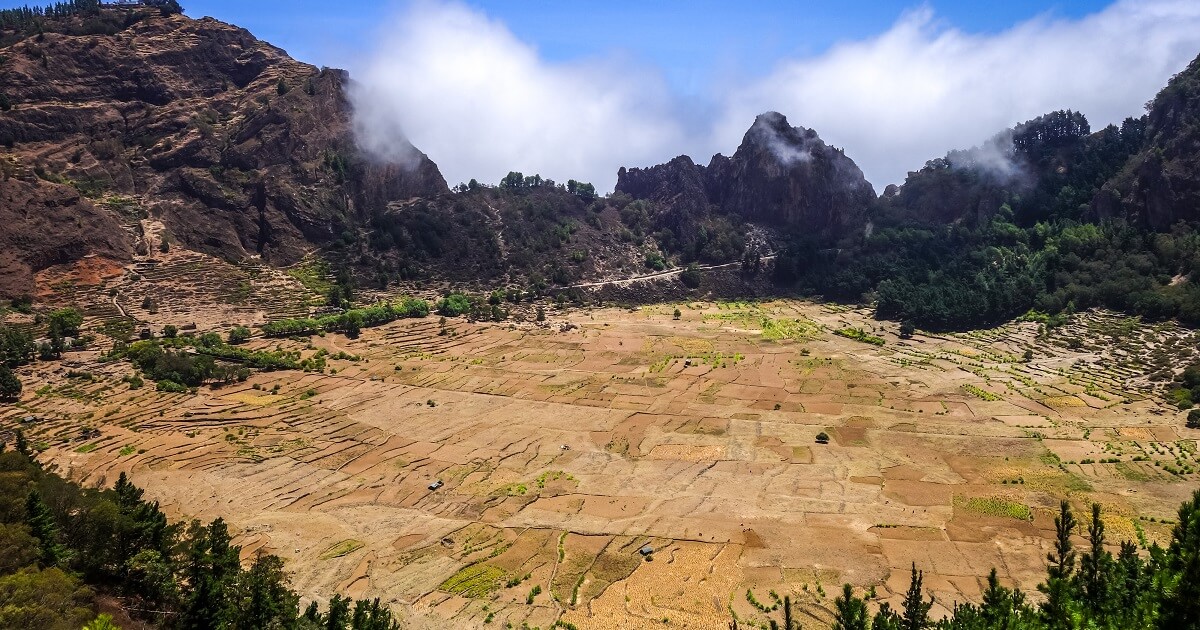
Landscapes & Viewpoints: Cova Volcanic Crater; Lagoa & Espadaná Craters; Pico da Cruz Forest; Topo da Coroa (highest peak).
Valleys & Villages: Paul Valley; Ribeira Grande valleys; Fontainhas village; Garça & Figueira valleys
Activities: Mountain biking (BTT); 4×4 / Buggy tours; Bird watching; Turtle watching; Hiking trails network.
Main Places to Visit
Cova Crater — Fertile volcanic crater with farming landscapes.
Topo da Coroa — Island’s highest point with panoramic views.
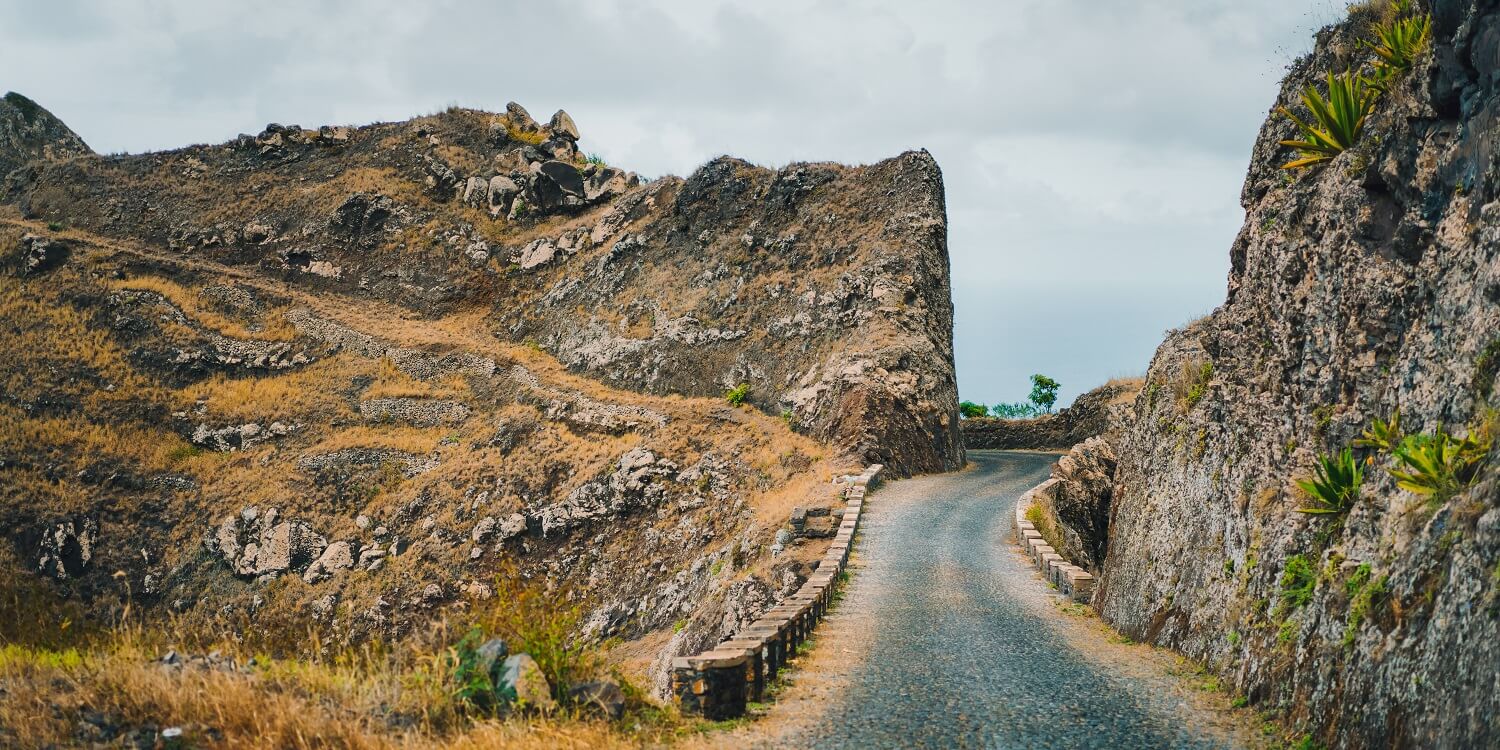
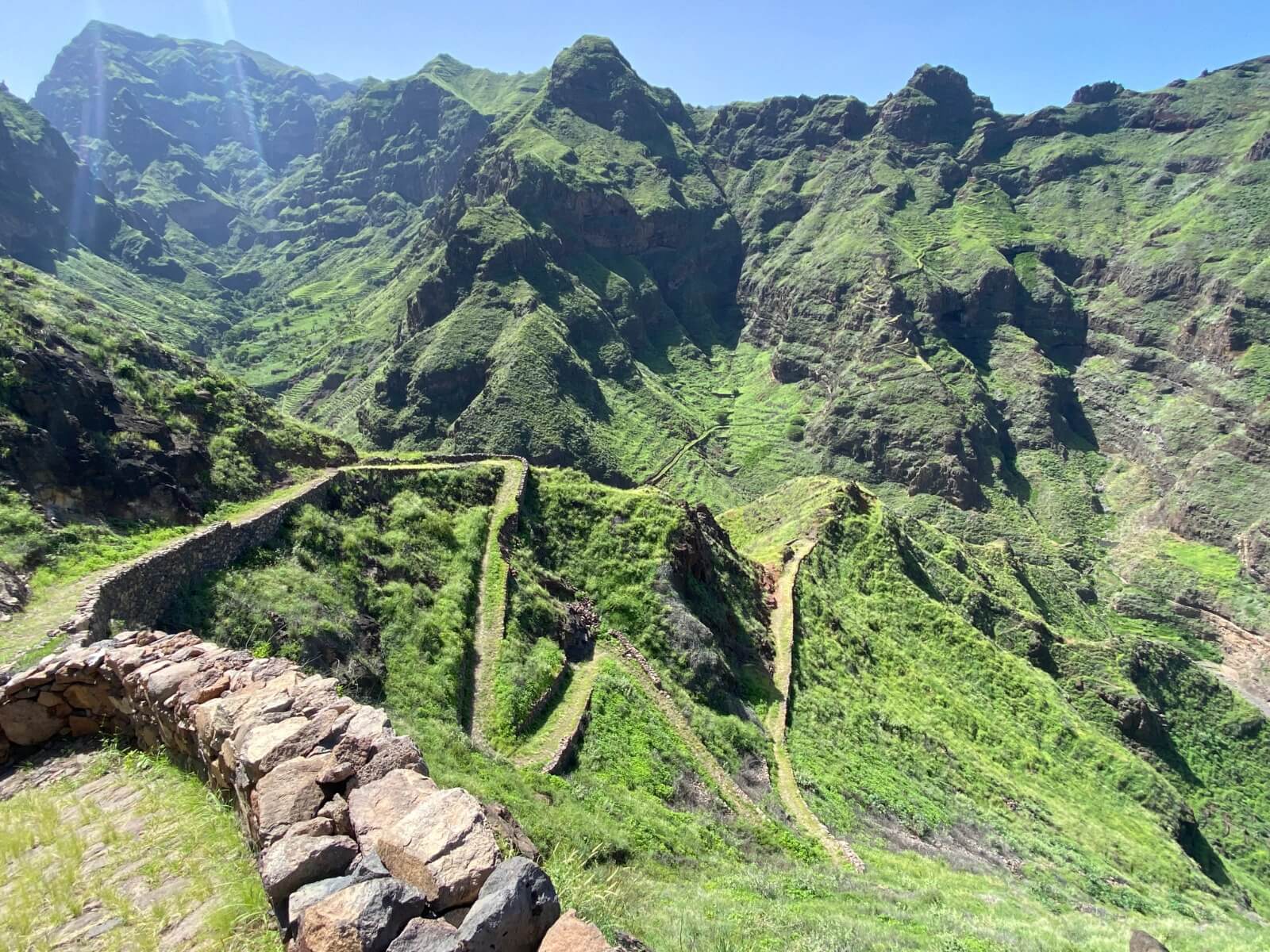
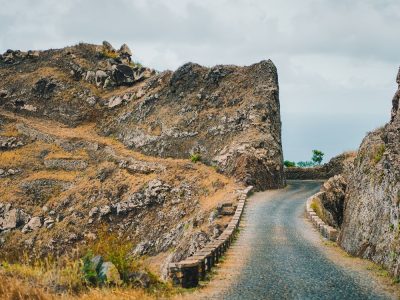
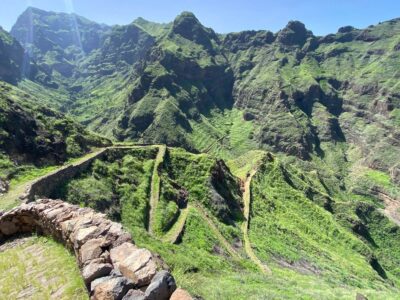
Delgadinho Road — Iconic mountain road between cliffs and valleys.
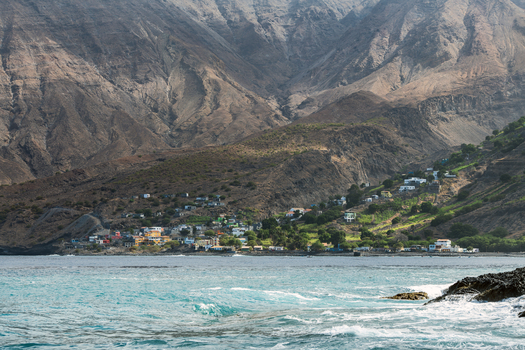
Ponta do Sol — Charming coastal village with colonial buildings.
Grogue Production Sites — Traditional distillery visits.
Travel Tips: Ideal island for mountain trekking; Nature remains largely untouched; Expect steep terrain and dramatic scenery.
Sun & Beach Attractions
Notable beaches include:
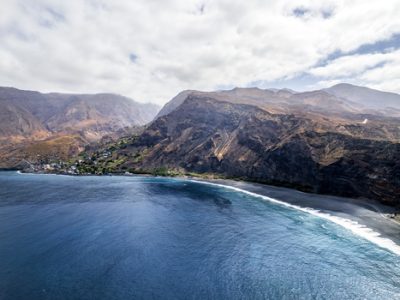
d’Aranhas; Areias da Sinagoga; Bote; Campanário; Escorralete; Formosa; Lisboa; Tarrafal; Tarrafal do Monte Trigo; Toninha
Highlight
Escorralete hosts annual local festivals.
Nautical Activities
Scuba diving (Porto Novo, Tarrafal)
Snorkeling
Boat tours
Traditional fishing
History & Cultural Traditions
Romarias Museum (Ponta do Sol): Dedicated to religious festivals (“romarias”).
Exhibits include: Traditional clothing; Musical instruments; Ritual objects; Photos & videos
Also hosts workshops and cultural events.
Cultural Attractions & Festivals
Villages
Fontainhas; Monte Trigo; Sinagoga; Chã João Vaz; Espongeiro
Heritage & Sites
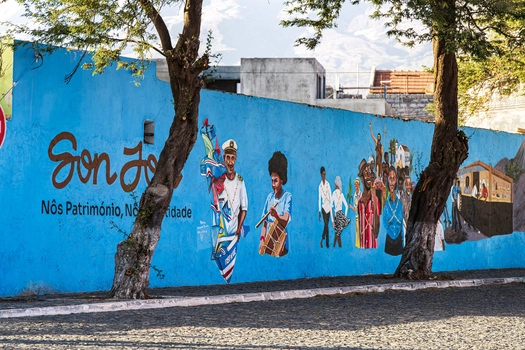
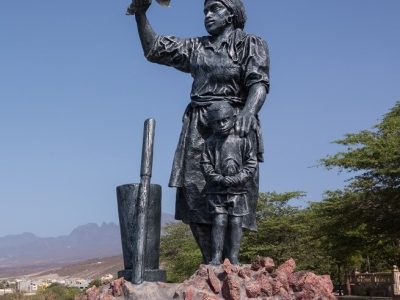
Cape Verdean Woman Statue Porto Novo Maritime Port Ribeira Grande street art
Festivals
São João; São Pedro; Santo António das Pombas; Santo Antão Festival; Nossa Senhora celebrations
Grogue, Rum & Gastronomy
Grogue = Traditional sugarcane brandy.
Experiences: Visit distilleries; Learn production process; Taste varieties.
Key Locations: Ribeira da Cruz; Corda.
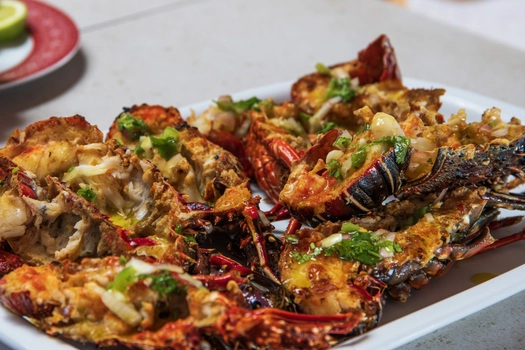
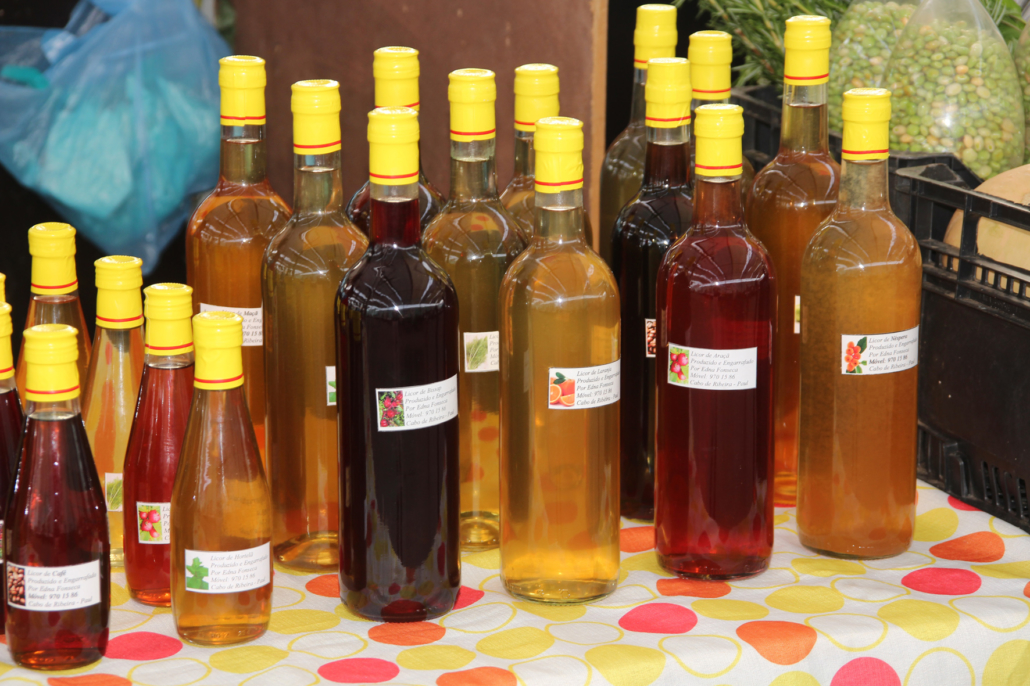
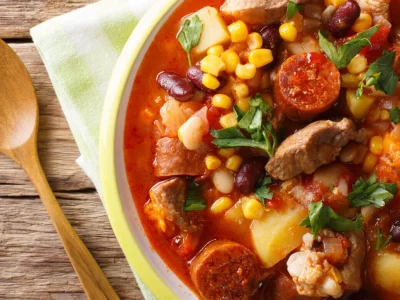
Typical Foods: Goat stew with beans; Fish broth (caldo de peixe); Cachupa; Tropical fruits; Local liqueurs.
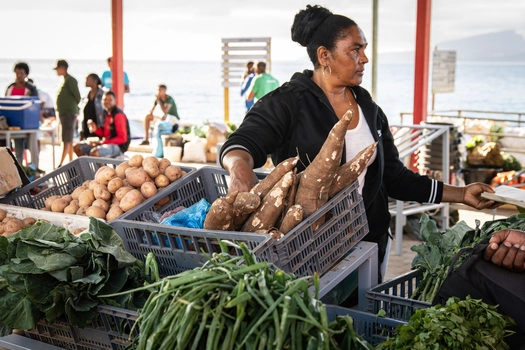
Local Markets & Handicrafts: Markets offer a vibrant cultural and sensory experience.
Main Spot: Municipal Market of Ribeira Grande (largest on the island)
Find: Tropical fruits & vegetables; Spices; Traditional fabrics; Ceramic baskets; Local sweets (e.g., cassava cake)
Eat, Sleep & Social Life
Eat: Cachupa; Fish broth; Goat stew; Local liqueurs
Sleep: Mostly in Ponta do Sol & Ribeira Grande
Socialize: Friendly locals: Rest stops along trekking routes
Accommodation
Options range from: Budget guesthouses; Rural lodges; Luxury hotels
Main bases: Porto Novo; Ponta do Sol; Ribeira Grande
How to Get There
No airport on Santo Antão. → Fly to São Vicente. → Ferry from Porto Grande → Porto Novo (~1 hour).
Getting Around: Shared taxis (colectivos / hiace); Private taxis; Buses; Car rental; Bicycle; Hiking
Money & Payments: Local currency: Cape Verdean Escudo (CVE); Euros accepted in some hotels/restaurants; Cash exchange recommended
What to Bring: Sunblock; Trekking shoes; Mixed weather clothing; Backpack & hiking gear; Camera / GPS smartphone; Local currency
- Overview
-
Santo Antão, located in the northwest of Cabo Verde, is an island of remarkable beauty and striking contrasts. From dramatic rocky landscapes and vast ocean views to fertile green valleys, the island offers a powerful and unforgettable natural experience. Discovered in 1462 by Portuguese explorers, Santo Antão reflects a rich blend of European, African, and South American influences. Its capital is Porto Novo, with Ribeira Grande and Paul standing out as important cultural and population centers.
The island has long inspired musicians, artists, and writers, including the renowned poet Corsino Fortes. Santo Antão’s cultural identity is deeply rooted in its diverse heritage, brought to life through traditional music and dance. Styles such as morna, coladeira, and funaná are central to local life, expressing the soul, history, and rhythm of the island.
- Explore & Nature
-
Trails & Hiking Adventures
Santo Antão is one of the world’s top hiking destinations, known for rugged mountains, deep valleys, and dramatic coastal views.
Highlighted Trails
Cova – Paul – Ribeira das Patas: Passes through fertile Paul Valley and mountain ridges with panoramic views.
Cruzinha – Ponta do Sol Circuit: Coastal and valley trek through villages like Fontainhas and Xoxo.
Ribeira da Torre – Corda: One of the most challenging hikes, crossing Serra da Corda and Lagoa village.
Experience: Nature immersion + cultural contact with local communities.
Nature & Adventure Attractions
Landscapes & Viewpoints: Cova Volcanic Crater; Lagoa & Espadaná Craters; Pico da Cruz Forest; Topo da Coroa (highest peak).
Valleys & Villages: Paul Valley; Ribeira Grande valleys; Fontainhas village; Garça & Figueira valleys
Activities: Mountain biking (BTT); 4×4 / Buggy tours; Bird watching; Turtle watching; Hiking trails network.
Main Places to Visit
Cova Crater — Fertile volcanic crater with farming landscapes.
Topo da Coroa — Island’s highest point with panoramic views.
Delgadinho Road — Iconic mountain road between cliffs and valleys.
Ponta do Sol — Charming coastal village with colonial buildings.
Grogue Production Sites — Traditional distillery visits.
Travel Tips: Ideal island for mountain trekking; Nature remains largely untouched; Expect steep terrain and dramatic scenery. - Beaches & Sea
-
Sun & Beach Attractions
Notable beaches include:
d’Aranhas; Areias da Sinagoga; Bote; Campanário; Escorralete; Formosa; Lisboa; Tarrafal; Tarrafal do Monte Trigo; Toninha
Highlight
Escorralete hosts annual local festivals.
Nautical Activities
Scuba diving (Porto Novo, Tarrafal)
Snorkeling
Boat tours
Traditional fishing - Culture & Heritage
-
History & Cultural Traditions
Romarias Museum (Ponta do Sol): Dedicated to religious festivals (“romarias”).
Exhibits include: Traditional clothing; Musical instruments; Ritual objects; Photos & videos
Also hosts workshops and cultural events.
Cultural Attractions & Festivals
Villages
Fontainhas; Monte Trigo; Sinagoga; Chã João Vaz; Espongeiro
Heritage & Sites
Cape Verdean Woman Statue Porto Novo Maritime Port Ribeira Grande street art
Festivals
São João; São Pedro; Santo António das Pombas; Santo Antão Festival; Nossa Senhora celebrations - Food, Drink & Local Life
-
Grogue, Rum & Gastronomy
Grogue = Traditional sugarcane brandy.
Experiences: Visit distilleries; Learn production process; Taste varieties.
Key Locations: Ribeira da Cruz; Corda.
Typical Foods: Goat stew with beans; Fish broth (caldo de peixe); Cachupa; Tropical fruits; Local liqueurs.
Local Markets & Handicrafts: Markets offer a vibrant cultural and sensory experience.
Main Spot: Municipal Market of Ribeira Grande (largest on the island)
Find: Tropical fruits & vegetables; Spices; Traditional fabrics; Ceramic baskets; Local sweets (e.g., cassava cake)
Eat, Sleep & Social Life
Eat: Cachupa; Fish broth; Goat stew; Local liqueurs
Sleep: Mostly in Ponta do Sol & Ribeira Grande
Socialize: Friendly locals: Rest stops along trekking routes - Plan Your Trip
-
Accommodation
Options range from: Budget guesthouses; Rural lodges; Luxury hotels
Main bases: Porto Novo; Ponta do Sol; Ribeira Grande
How to Get There
No airport on Santo Antão. → Fly to São Vicente. → Ferry from Porto Grande → Porto Novo (~1 hour).
Getting Around: Shared taxis (colectivos / hiace); Private taxis; Buses; Car rental; Bicycle; Hiking
Money & Payments: Local currency: Cape Verdean Escudo (CVE); Euros accepted in some hotels/restaurants; Cash exchange recommended
What to Bring: Sunblock; Trekking shoes; Mixed weather clothing; Backpack & hiking gear; Camera / GPS smartphone; Local currency
Gallery