
Santo Antão – Canyoning
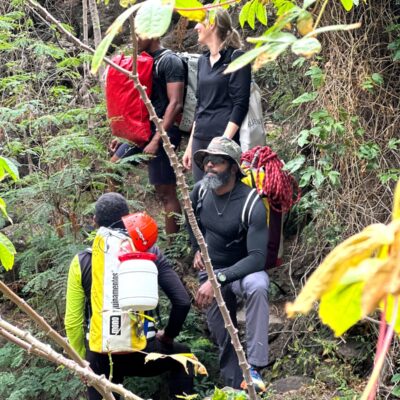
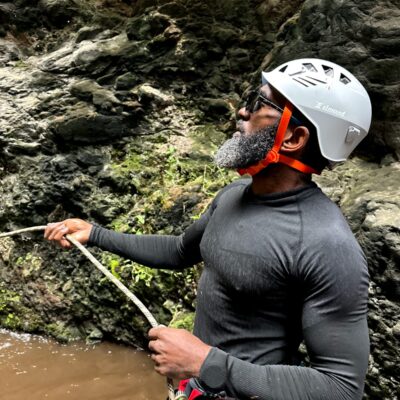
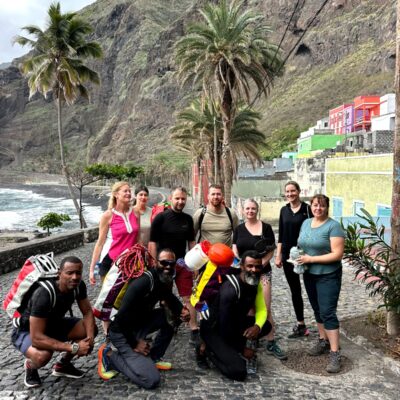
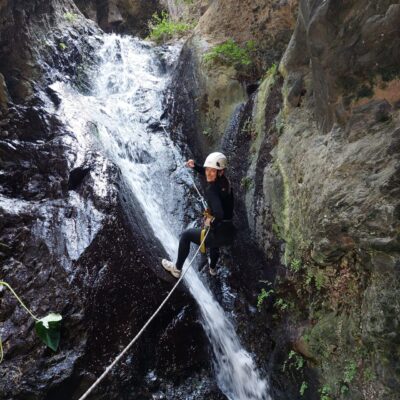
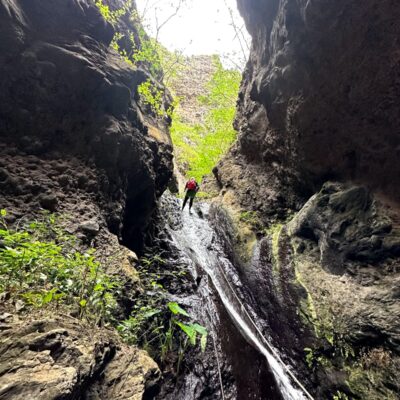
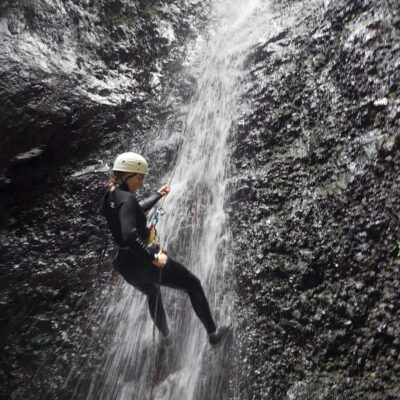
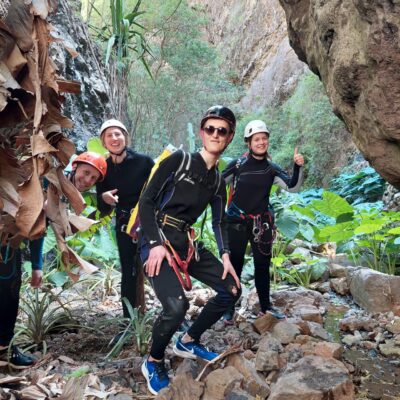
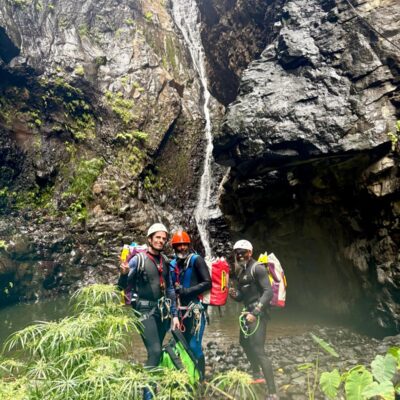
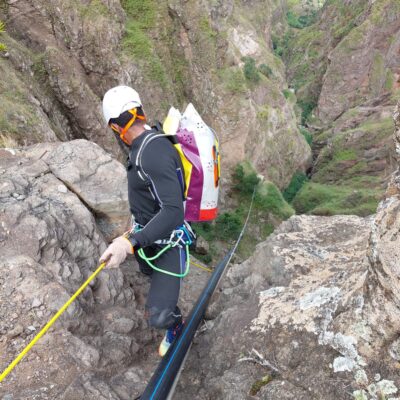
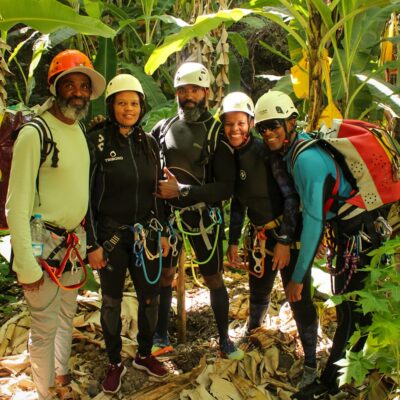
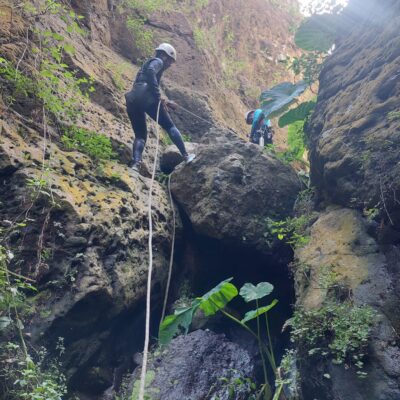
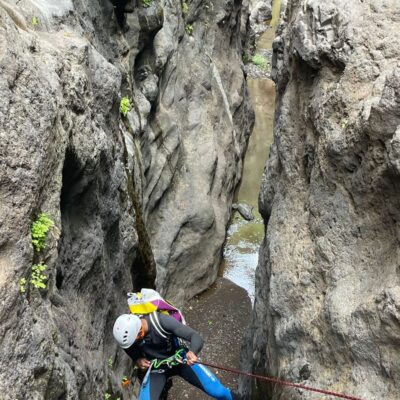
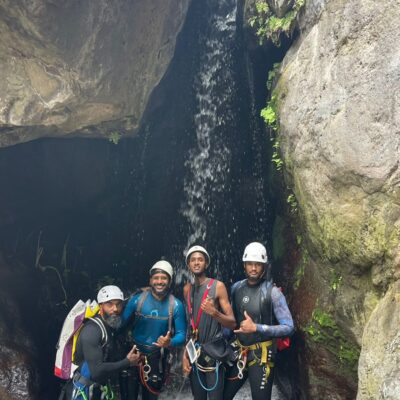
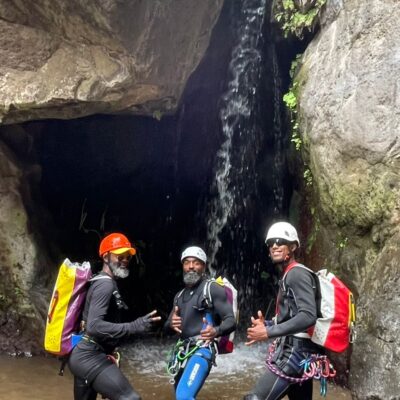
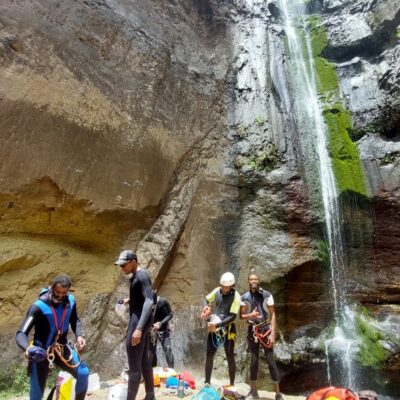
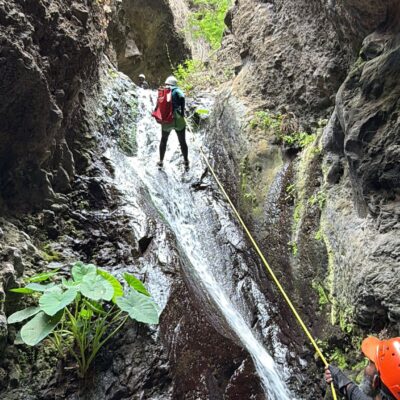
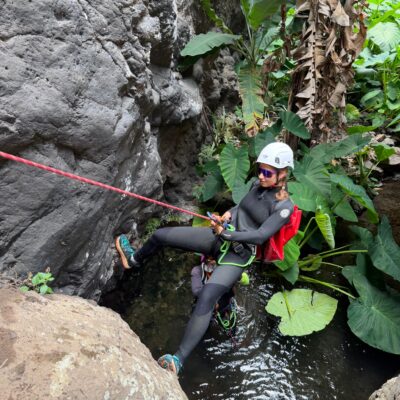
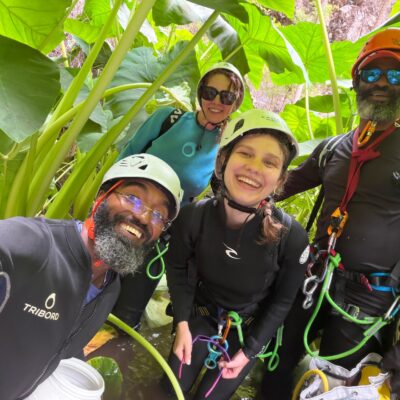
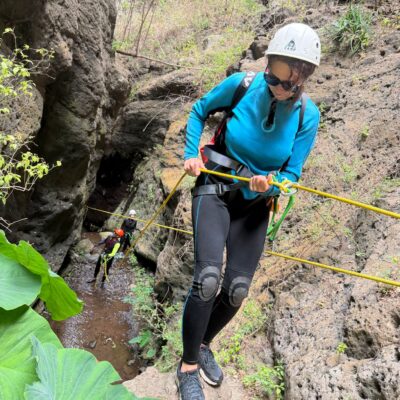
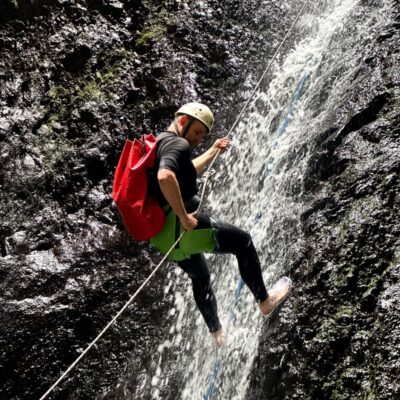
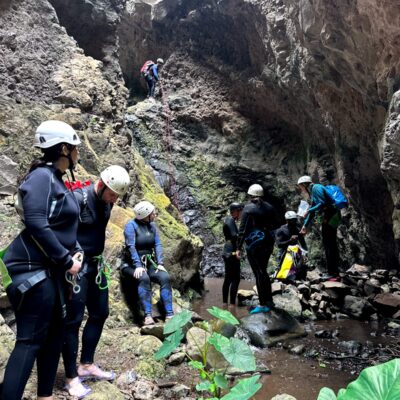
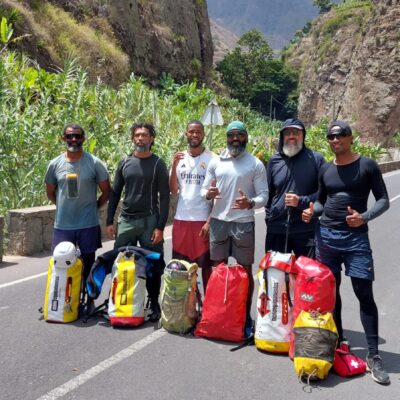
First of all, I would like to clarify, a little what this idea of a canyon: Is, its importance, and to understand, what extent canyoning actually is:
If you allow me, I would like to share with you the definition presented by the National Geography, which seems to me the most appropriate one!
"A canyon is a deep fissure between escarpments or cliffs, resulting from weathering and the erosive activity of a river over geological timescales."
The idea of canyoning in Santo Antão or in Cabo Verde, still quite new, so it requires more careful approach, both from those who do it and those who promote it.
Further more, to understand a little, there are several types of canyons, but what type of canyon do we have in Santo Antão?
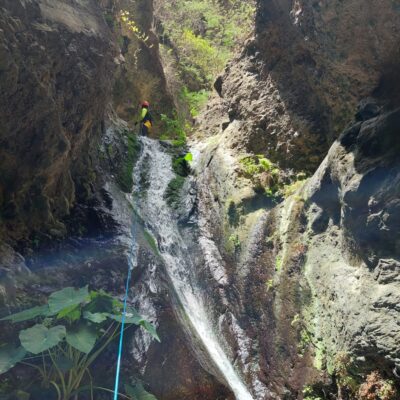
Due to the island's geography and the effects of time, erosion, etc., the predominant canyons in Cape Verde, more specifically in Santo Antão, are (fluvial canyons) or river canyons, very well explained by the National Geographic Service:
"The most familiar type of canyon is probably the river canyon. The water pressure of a river can cut deep into a riverbed. Sediments from the riverbed are transported downstream, creating a deep, narrow channel.
Rivers that lie at the bottom of deep canyons are known as entrenched rivers. They are entrenched because, unlike rivers in wide, flat floodplains, they do not meander and change their course."
I think now we are better prepared to understand what canyoning is?
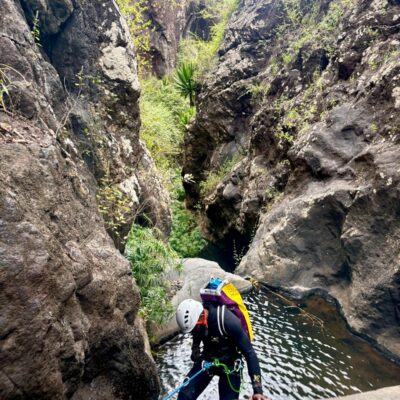
“In the simplest terms, canyoning is just following a mountain river from the top all the way down to the bottom. But because these rivers flow through deep, steep, rocky gorges, you can’t just walk along the grassy bank. You have to get into the water”.
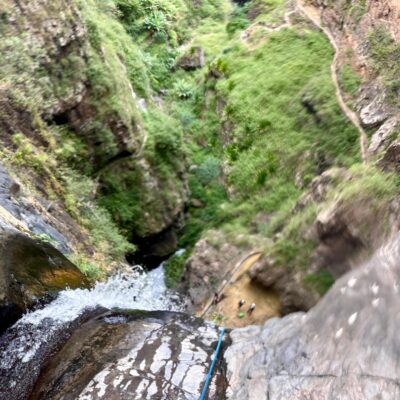
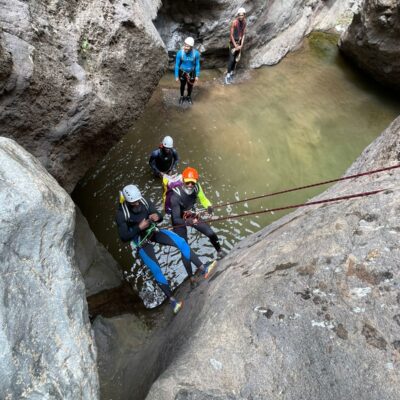
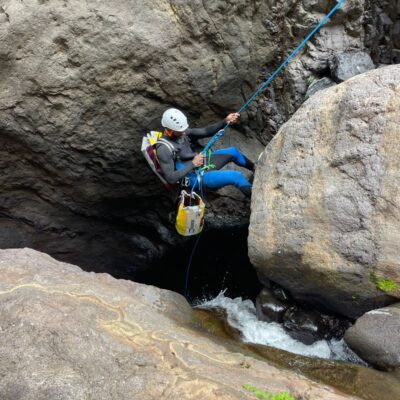
“To get down the river, you do whatever the terrain requires. Sometimes you’re walking on the rocks, sometimes you’re swimming through pools, and when you reach a waterfall, you either slide down, jump, or use a rope to lower yourself. It is essentially hiking, swimming, and climbing all combined into one adventure”.
Why Do People Go Canyoning?
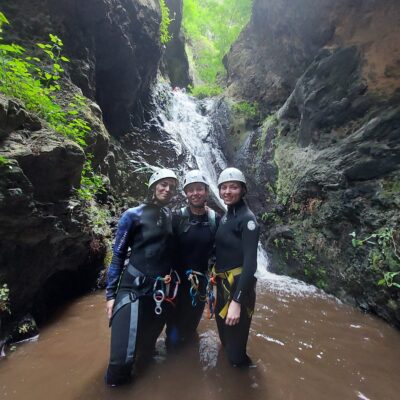
To Witness Unrivaled Scenery: This is the main draw for many. The view from the bottom of a deep gorge looking up is something you simply cannot get from a hiking trail. You will see sculpted rock formations, play of light on the water, and hidden waterfalls that remain invisible to the outside world.
Access the Inaccessible: Canyons are hidden worlds. The only way to see these incredible landscapes is by traveling through them.
The Connection with Nature: It’s an immersive, primal experience far removed from crowded tourist spots.
The Adrenaline Rush: The combination of jumping and rappelling provides a massive sense of achievement and thrill.
How Safe is Canyoning?
Like any outdoor adventure activity involving heights and water, canyoning has inherent risks. These include slipping on rocks, hypothermia, changing water levels (flash floods), and injuries from jumps.
However, when practiced with a reputable, certified guiding company, canyoning is statistically quite safe. Guides are trained in swift water rescue, first aid, and meteorology to ensure they only enter the canyon when conditions are stable. Safety is ensured by listening to your guide and knowing your own limits.
What to Know Before Canyoning?
Before you book your trip, ensure you meet these basic requirements:
- You Must Be Able to Swim: You don’t need to be an Olympic swimmer, but you must be comfortable floating and moving in deep water.
- Acrophobia (Fear of Heights): If you have a paralyzing fear of heights, canyoning might be too intense. However, many beginner tours offer “chicken routes” around the highest jumps.
- Medical Conditions: Be honest with your guides about any heart conditions, previous injuries, or asthma.
What is the Hardest Part of Canyoning?
Surprisingly, it’s usually mental, not physical.
For most people, the hardest part is the psychological commitment required to jump. Standing on a ledge looking down 7 meters into a small pool requires overcoming a natural instinct.
The second hardest part for beginners is often the initial moment of leaning back over the edge of a waterfall to begin a rappel, trusting the harness and rope completely.
Description
We don't offer a fixed and detailed canyoning program, but we do have some dates already scheduled.
However, we try our best to adjust and adapt the circuit according to the guest's skills and experience with canyoning. From these points, we begin to assemble the circuit that best suits your conditions.
In order to be able to design the best circuit for you in a timely manner, it is important that you contact us as early as possible so that we can organize your plan properly.