A vibrant island, with the country’s largest city and capital
Santiago — A vibrant island to discover
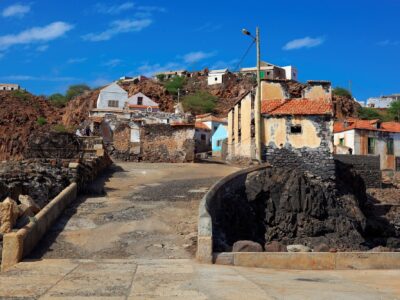
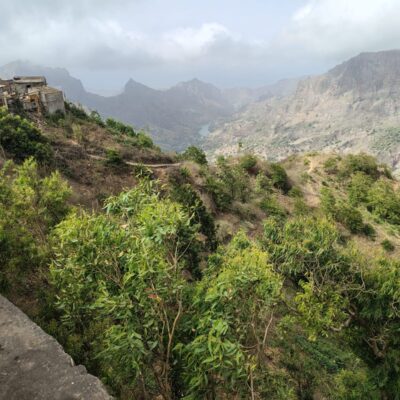
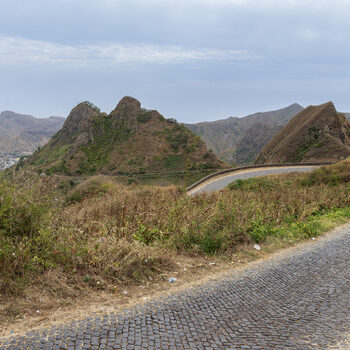
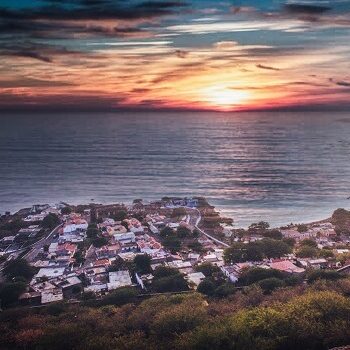
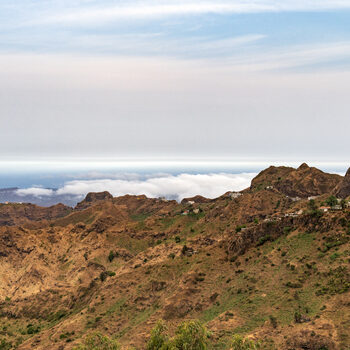
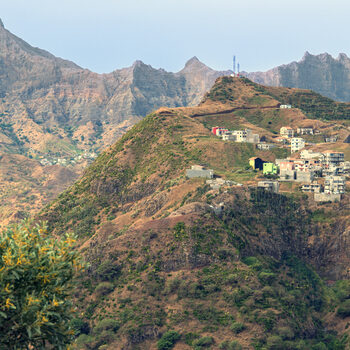
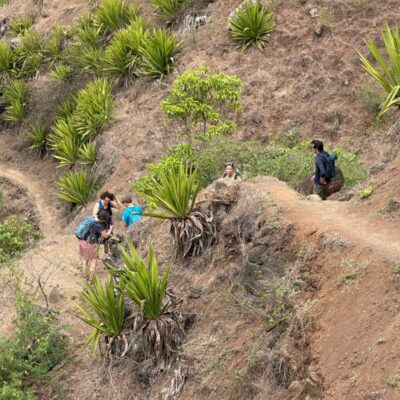
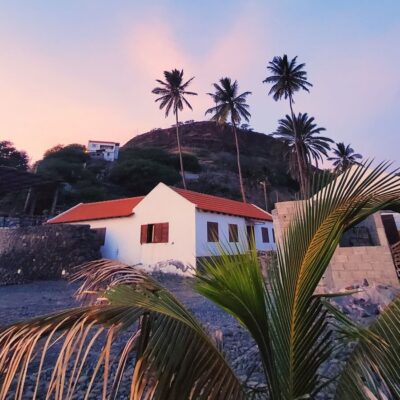
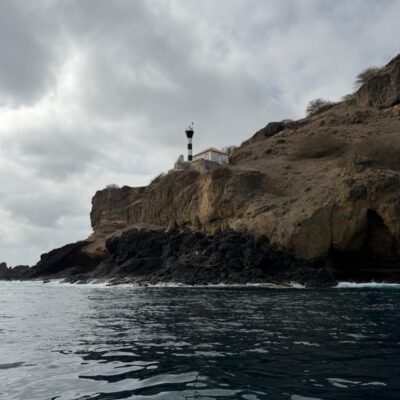
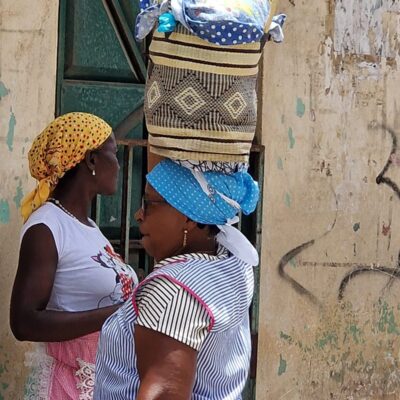
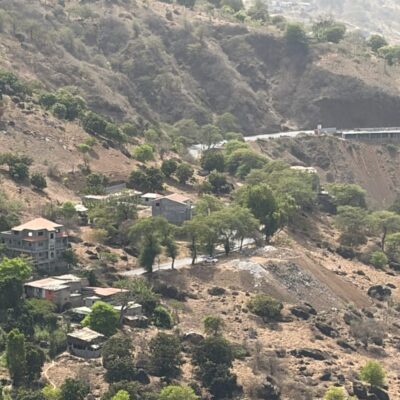
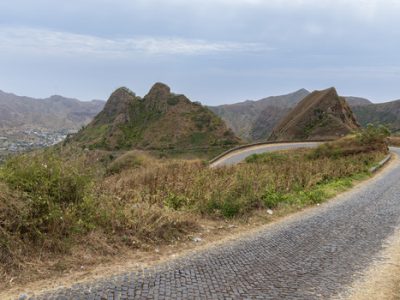
Santiago Island, set in the Atlantic Ocean, is known for its rugged terrain, volcanic peaks, and lush valleys. Home to Cape Verde’s capital, Praia, it offers a vibrant blend of African and European influences that shape its people, culture, and identity.
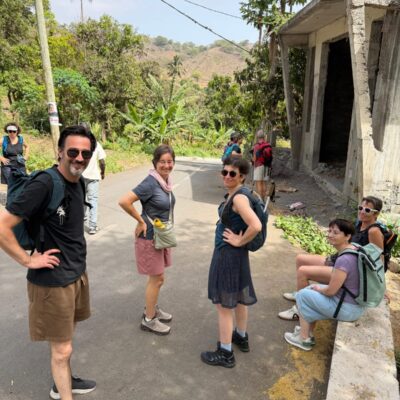
As the country’s most populous and administrative center, Santiago provides plenty to explore—from cultural events and historic sites to restaurants, cafés, and relaxing beaches. Its long history of colonization, resistance, and independence adds depth to the island’s character, while its dramatic landscapes range from steep mountains to fertile valleys that bloom after rainfall.
About Santiago
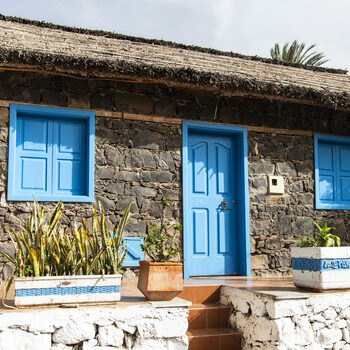
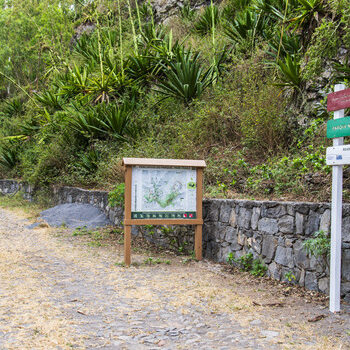
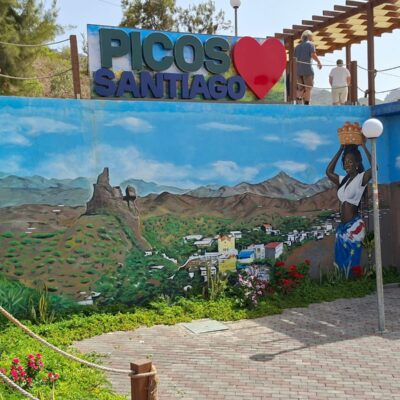
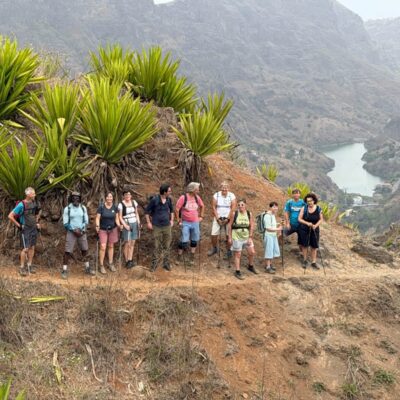
Santiago is the largest and most populated island of Cabo Verde, and the cultural, political, and economic heart of the archipelago. Home to the capital, Praia, the island blends urban energy with rural authenticity, where bustling markets and music-filled neighborhoods meet mountain landscapes and historic towns. Its identity is shaped by a rich fusion of African and European influences, visible in its traditions, cuisine, and rhythms.
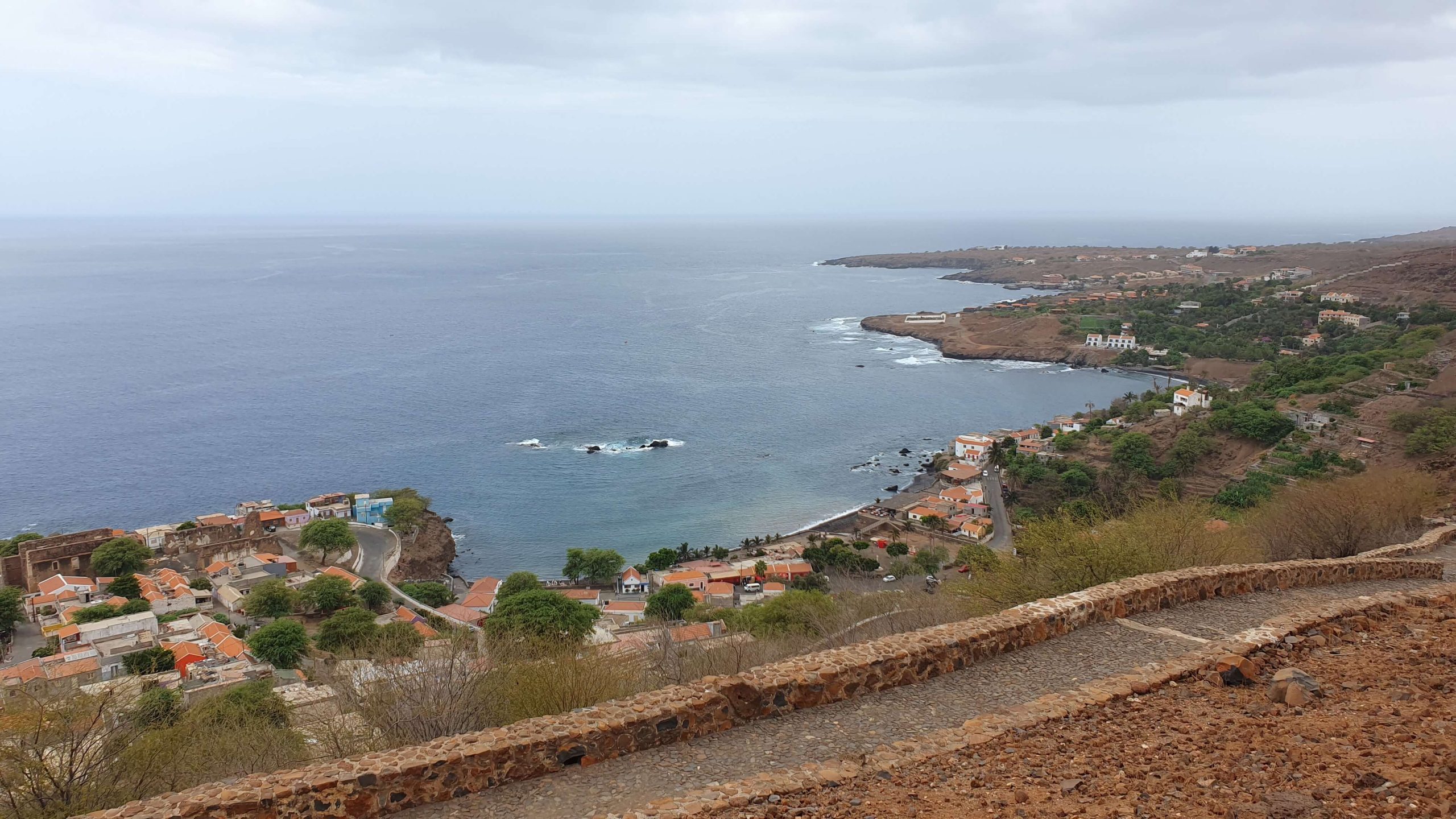
From the UNESCO-listed Cidade Velha — the birthplace of Creole culture — to the green valleys of the interior and the serene beaches of Tarrafal, Santiago offers the most complete portrait of Cabo Verde. Diverse, vibrant, and deeply historic, it’s an island where culture and nature exist side by side, welcoming visitors with unmistakable morabeza hospitality.
Santiago is the largest and most populated island of Cabo Verde, and the cultural, political, and economic heart of the archipelago. Home to the capital, Praia, the island blends urban energy with rural authenticity, where bustling markets and music-filled neighborhoods meet mountain landscapes and historic towns. Its identity is shaped by a rich fusion of African and European influences, visible in its traditions, cuisine, and rhythms.
From the UNESCO-listed Cidade Velha — the birthplace of Creole culture — to the green valleys of the interior and the serene beaches of Tarrafal, Santiago offers the most complete portrait of Cabo Verde. Diverse, vibrant, and deeply historic, it’s an island where culture and nature exist side by side, welcoming visitors with unmistakable morabeza hospitality.
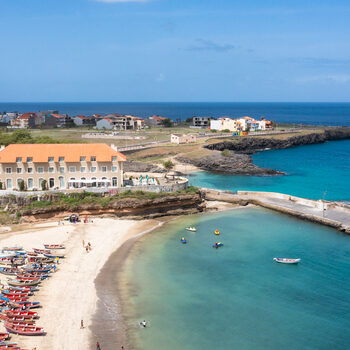
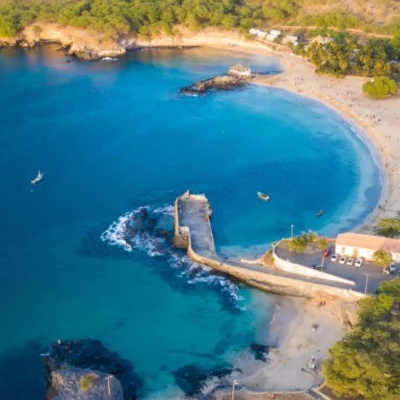
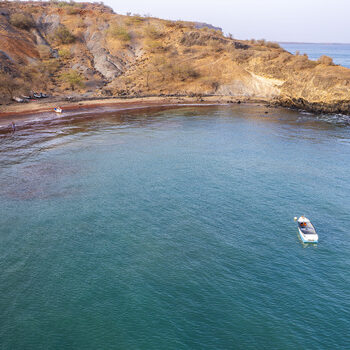
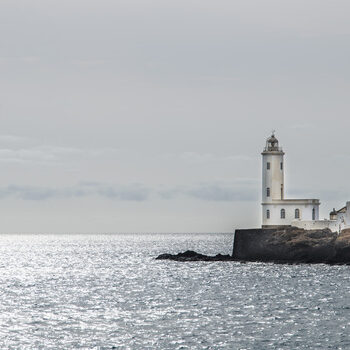
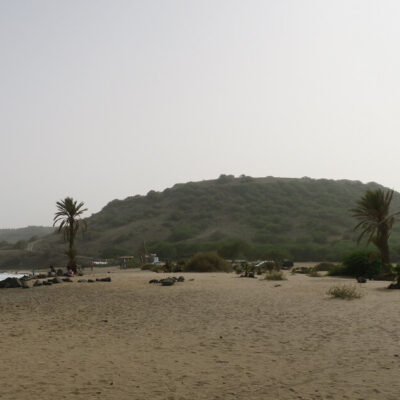
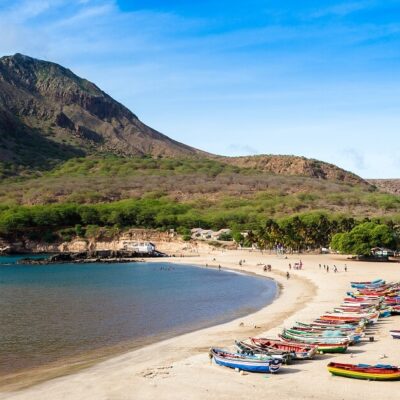
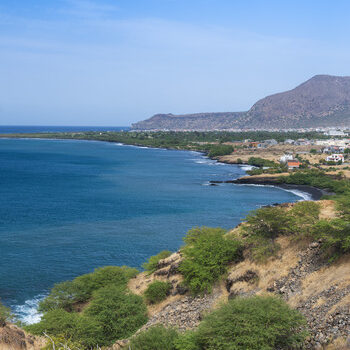
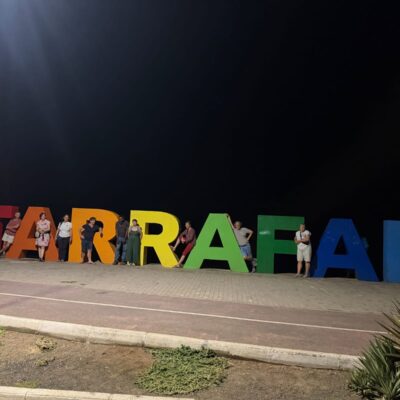
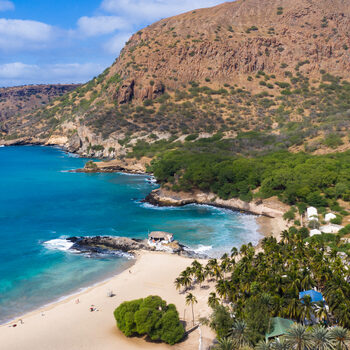
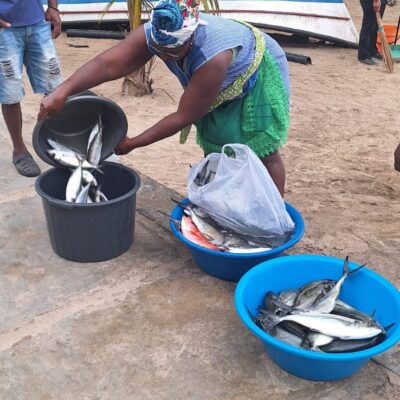
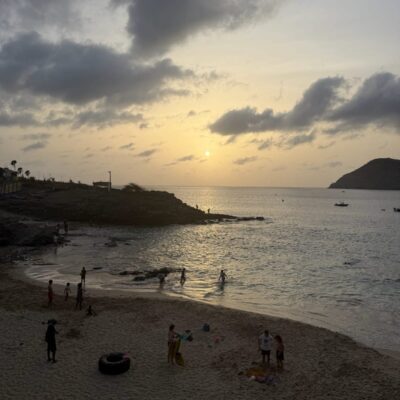
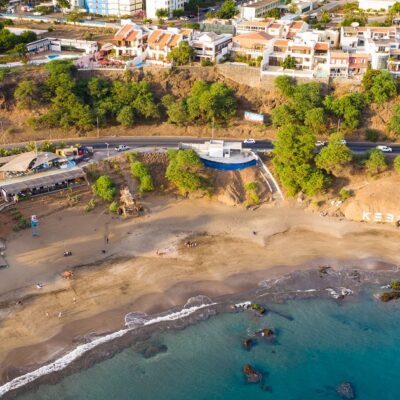
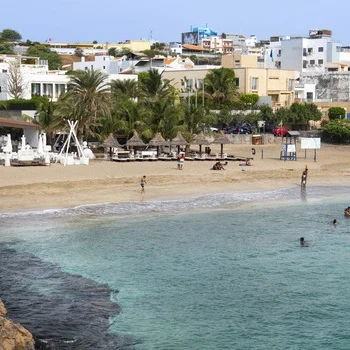
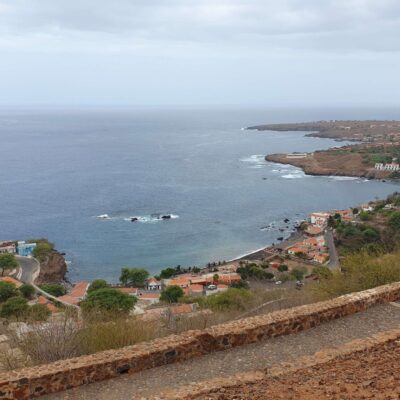
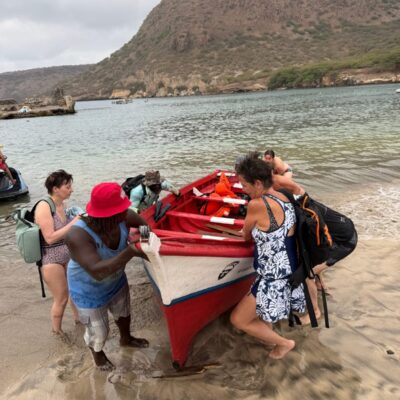
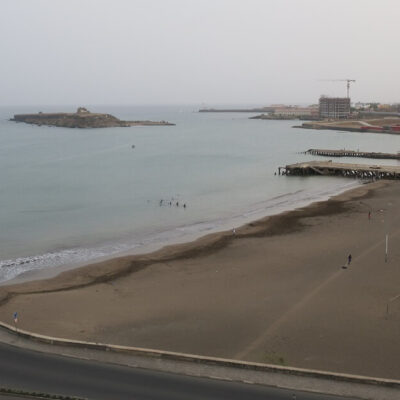
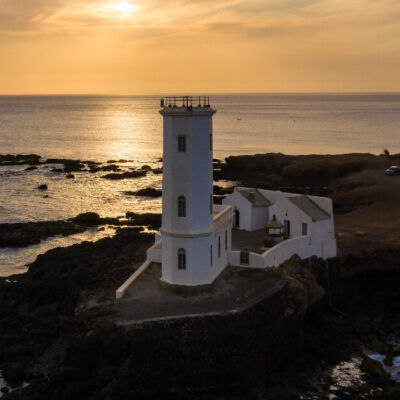
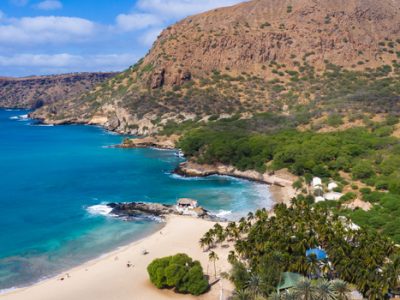
Santiago’s coastline blends volcanic beauty with golden and white-sand escapes. In Praia, popular urban beaches like Kebra Canela and Prainha offer easy access and lively atmospheres, while São Francisco Beach provides longer palm-lined shores. Further north, Tarrafal Beach stands out as one of the island’s most iconic — calm, clear, and framed by fishing boats and mountains.
Other coastal gems like Porto Mosquito and Praia Baixo attract water-sports lovers with surfing, diving, and kitesurfing conditions, as well as quieter seaside retreats.
As the historical heart of Cabo Verde, Santiago holds the archipelago’s deepest cultural roots.
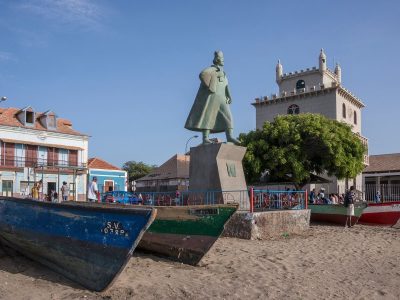
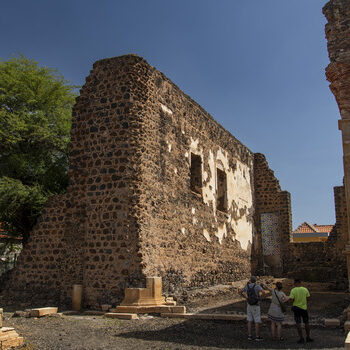
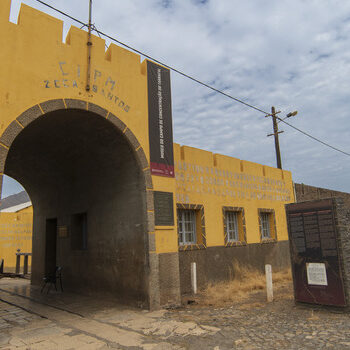
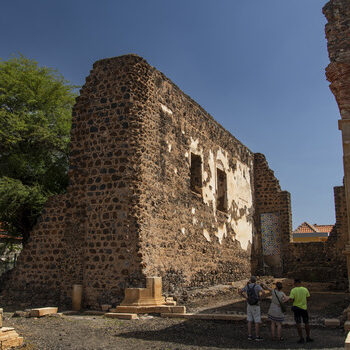
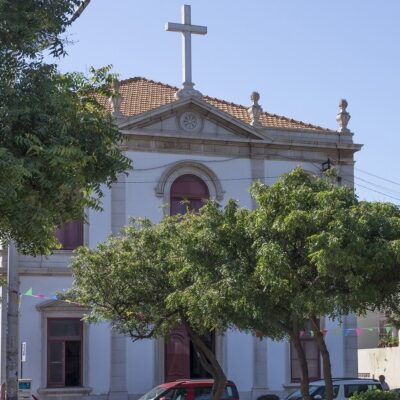
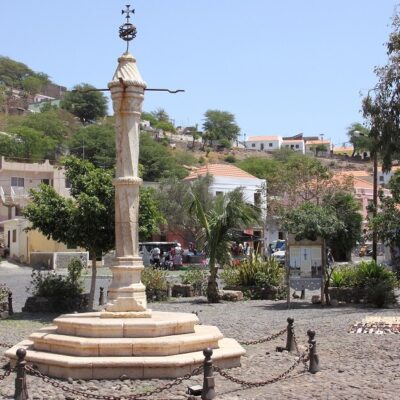
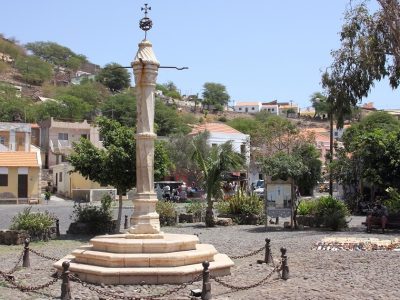
Cidade Velha — a UNESCO World Heritage Site — was the first colonial capital and preserves landmarks like Fortaleza de São Filipe and Rua da Banana.
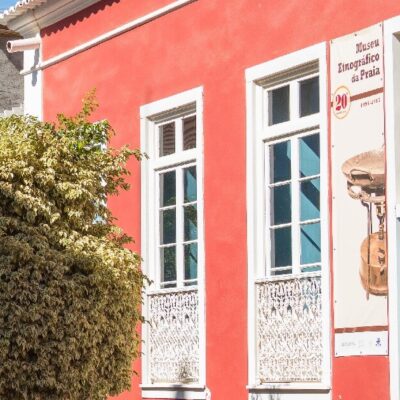
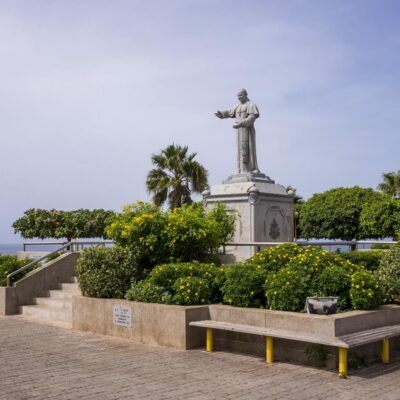
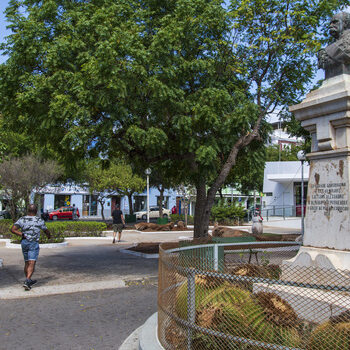
In Praia’s Plateau district, colonial architecture, museums, and monuments tell stories of discovery and independence.
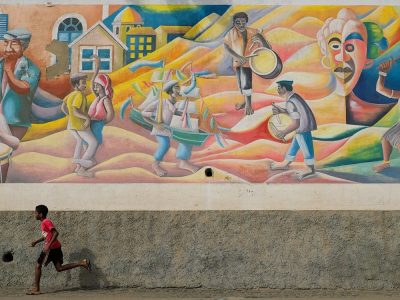
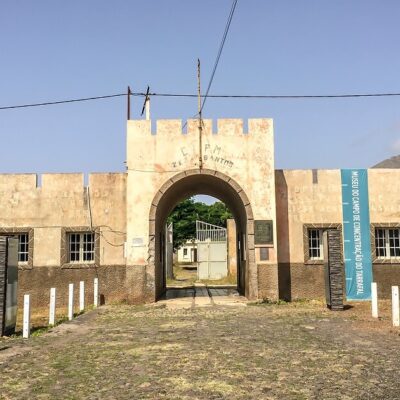
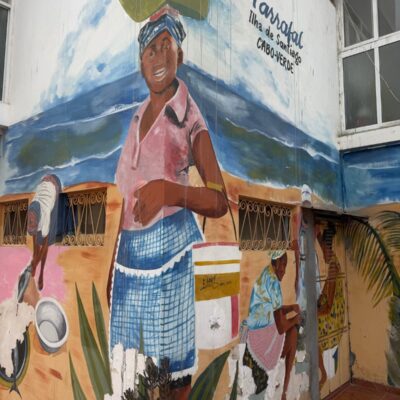
Across the island, towns like Assomada and Tarrafal reflect trade, resistance history, and rural traditions, enriched by year-round festivals and music.
Santiago’s gastronomy reflects its cultural fusion.
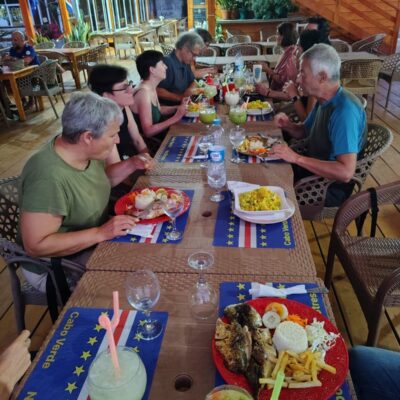
Traditional dishes like cachupa, fresh seafood, and local pastries are widely enjoyed, alongside Portuguese and international cuisine.
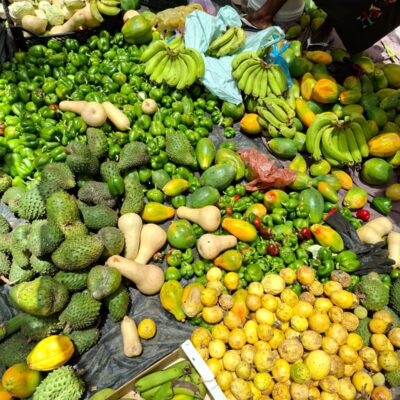
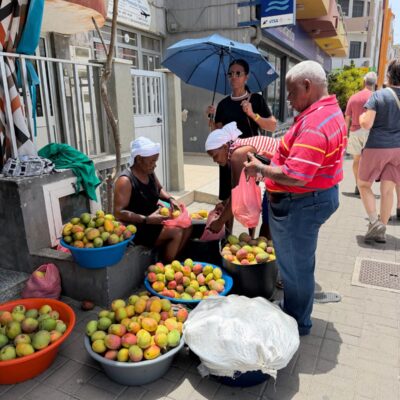
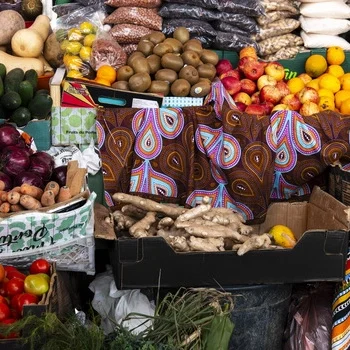
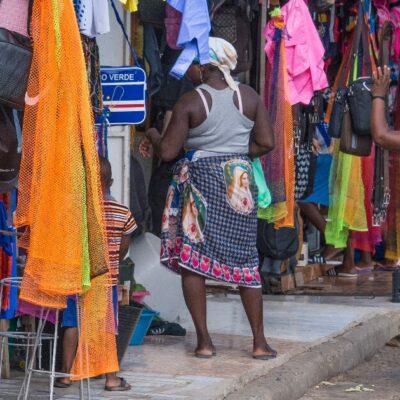
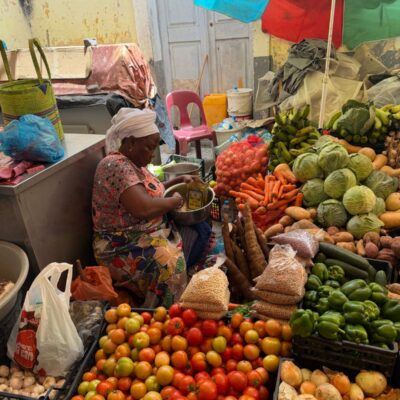
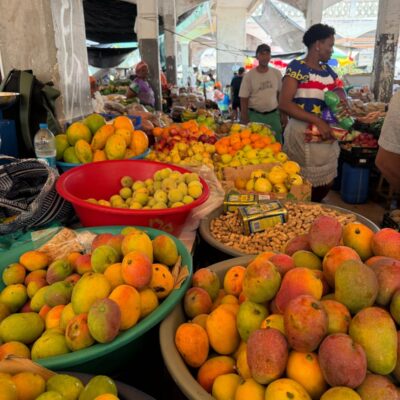
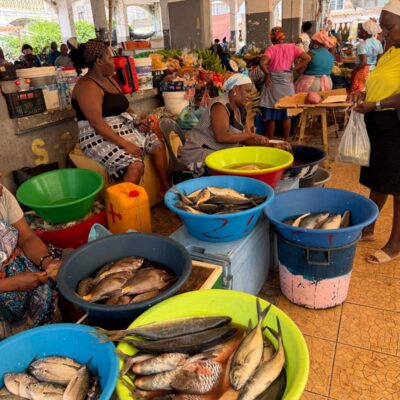
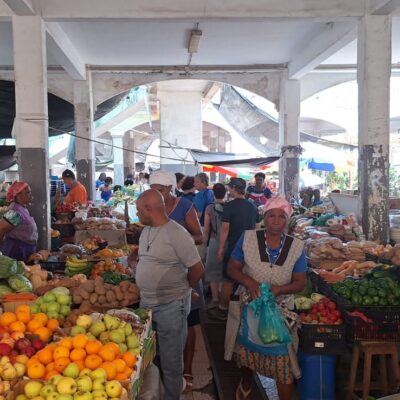
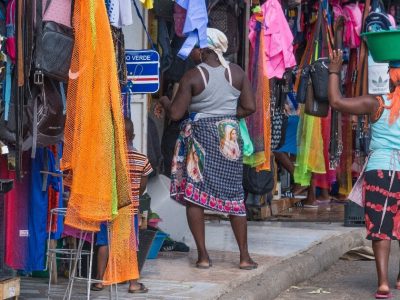
Markets such as Praia’s Municipal Market and Sucupira Fair showcase local produce, crafts, and everyday island life.
Evenings in Praia come alive with live morna and funaná music, seaside bars, and relaxed social spots where visitors can experience authentic morabeza hospitality.
Santiago is easily reached via international flights to Praia, with connections from Europe, Africa, and the Americas.
Getting around is simple by taxi, bus, rental car, or shared hiace vans.
The local currency is the Cape Verdean Escudo, though some tourist venues accept euros.
Accommodation ranges from luxury hotels in Praia to guesthouses across the island, making it a convenient base to explore both the capital and the island’s interior.
- Overview
-
Santiago is the largest and most populated island of Cabo Verde, and the cultural, political, and economic heart of the archipelago. Home to the capital, Praia, the island blends urban energy with rural authenticity, where bustling markets and music-filled neighborhoods meet mountain landscapes and historic towns. Its identity is shaped by a rich fusion of African and European influences, visible in its traditions, cuisine, and rhythms.
From the UNESCO-listed Cidade Velha — the birthplace of Creole culture — to the green valleys of the interior and the serene beaches of Tarrafal, Santiago offers the most complete portrait of Cabo Verde. Diverse, vibrant, and deeply historic, it’s an island where culture and nature exist side by side, welcoming visitors with unmistakable morabeza hospitality. - Explore & Nature
-
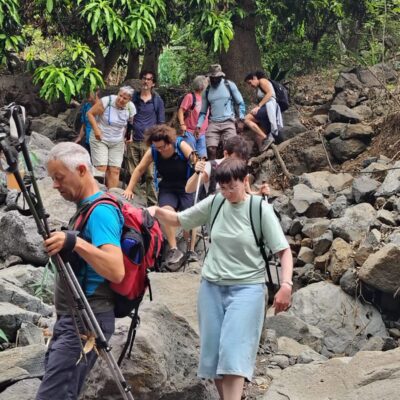
Santiago is the largest and most populated island of Cabo Verde, and the cultural, political, and economic heart of the archipelago. Home to the capital, Praia, the island blends urban energy with rural authenticity, where bustling markets and music-filled neighborhoods meet mountain landscapes and historic towns. Its identity is shaped by a rich fusion of African and European influences, visible in its traditions, cuisine, and rhythms.
From the UNESCO-listed Cidade Velha — the birthplace of Creole culture — to the green valleys of the interior and the serene beaches of Tarrafal, Santiago offers the most complete portrait of Cabo Verde. Diverse, vibrant, and deeply historic, it’s an island where culture and nature exist side by side, welcoming visitors with unmistakable morabeza hospitality. - Beaches & Sea
-
Santiago’s coastline blends volcanic beauty with golden and white-sand escapes. In Praia, popular urban beaches like Kebra Canela and Prainha offer easy access and lively atmospheres, while São Francisco Beach provides longer palm-lined shores. Further north, Tarrafal Beach stands out as one of the island’s most iconic — calm, clear, and framed by fishing boats and mountains.
Other coastal gems like Porto Mosquito and Praia Baixo attract water-sports lovers with surfing, diving, and kitesurfing conditions, as well as quieter seaside retreats. - Culture & Heritage
-
As the historical heart of Cabo Verde, Santiago holds the archipelago’s deepest cultural roots.
Cidade Velha — a UNESCO World Heritage Site — was the first colonial capital and preserves landmarks like Fortaleza de São Filipe and Rua da Banana.
In Praia’s Plateau district, colonial architecture, museums, and monuments tell stories of discovery and independence.
Across the island, towns like Assomada and Tarrafal reflect trade, resistance history, and rural traditions, enriched by year-round festivals and music. - Food, Drink & Local Life
-
Santiago’s gastronomy reflects its cultural fusion.
Traditional dishes like cachupa, fresh seafood, and local pastries are widely enjoyed, alongside Portuguese and international cuisine.
Markets such as Praia’s Municipal Market and Sucupira Fair showcase local produce, crafts, and everyday island life.
Evenings in Praia come alive with live morna and funaná music, seaside bars, and relaxed social spots where visitors can experience authentic morabeza hospitality. - Plan Your Trip
-
Santiago is easily reached via international flights to Praia, with connections from Europe, Africa, and the Americas.
Getting around is simple by taxi, bus, rental car, or shared hiace vans.
The local currency is the Cape Verdean Escudo, though some tourist venues accept euros.
Accommodation ranges from luxury hotels in Praia to guesthouses across the island, making it a convenient base to explore both the capital and the island’s interior.