
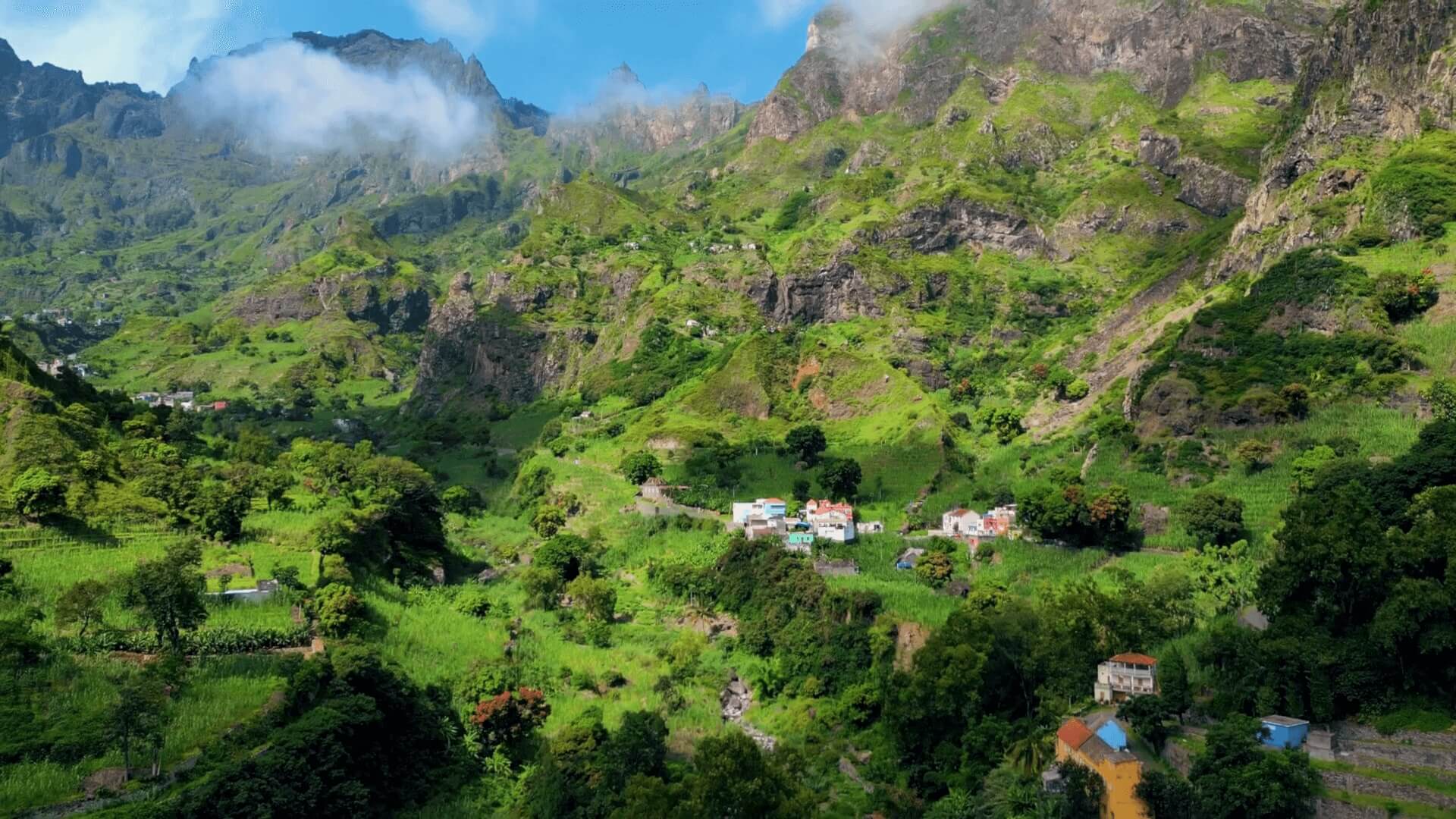
A wonderful country. An archipelago with several islands to discover. 10 dream islands. unlimited experiences.
Cabo Verde — Morabeza
Cabo Verde it is an paradise archipelago of volcanic origin, with ten islands, nine of those inhabited: Santiago, Fogo, Maio, Brava; Boa Vista, Sal, São Vicente, Santo Antão and São Nicolau, each of these has unique and passionate characteristics.
A country full of feeling, with fantastic colors and smells that, as a result of its history – desert islands that were populated – brings together influences from different countries, whether African, European or American, observable in its population, customs and culture.
Wonderful beaches, fantastic people and interesting places to see.
About Cabo Verde
Cape Verde is a dream archipelago of volcanic origin where the rhythmic soul of Africa meets European and American influences. Born from desert islands that were gradually populated over centuries, the country offers a vibrant tapestry of colors, scents, and customs. It is a place defined by “Morabeza”—a local term for a deep, welcoming hospitality that makes time feel as though it has stood still. For travelers coming from a hectic world, the warm, insular environment serves as a natural incentive for happiness and relaxation.
The islands are famous for their world-class beaches, particularly on Boa Vista, Sal, and Maio, where white sands and turquoise waters are internationally recognized among the best on the planet. Beyond the coast, the archipelago is a culinary paradise for seafood lovers, offering fresh fish served directly from the sea to the table. Whether you are enjoying a traditional Cachupa against a volcanic backdrop or sipping exotic fruit juice by the shore, the flavors of the islands are as unforgettable as the landscape.
Geographically, the nation is divided into the Barlavento (windward) islands to the north and the Sotavento (leeward) islands to the south. Each of the nine inhabited islands offers a distinct personality: Sal and Boa Vista are the hubs for sun and sand; Santo Antão and Brava provide lush, mountainous terrain for agriculture and hiking; São Vicente acts as the cultural heartbeat; and Fogo is dominated by its majestic active volcano. With a stable tropical dry climate and temperatures averaging between 20°C and 25°C, Cape Verde is a year-round sanctuary where every island provides a unique and enriching experience.
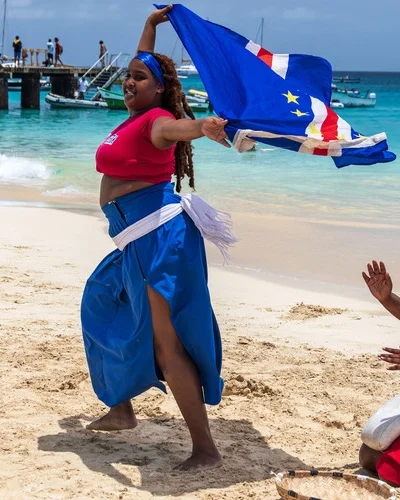
Cabo Verde is a volcanic archipelago of 10 islands (9 inhabited) and several islets located 455 km off the West African coast. Its boomerang shape is divided into two main groups based on trade winds:
Barlavento (North): Includes Boa Vista, Sal, Santo Antão, Santa Luzia (uninhabited), São Nicolau, and São Vicente.
Sotavento (South): Consists of Brava, Fogo, Maio, and Santiago.
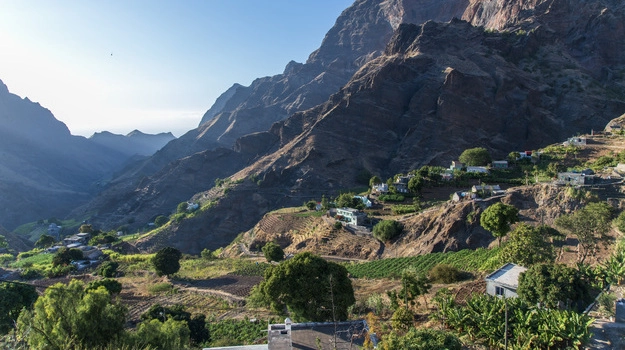
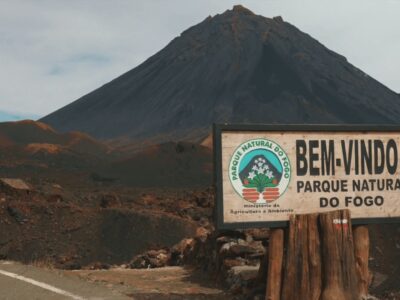
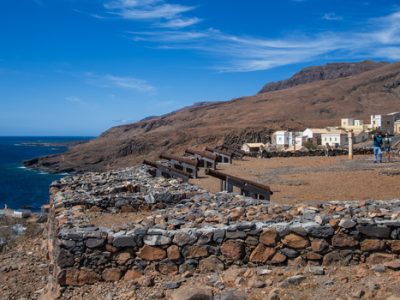
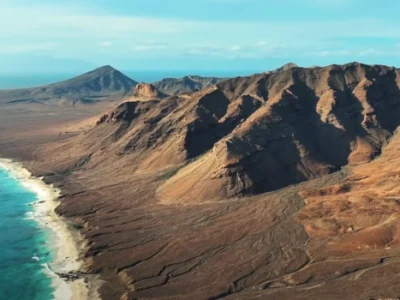
The terrain is rugged and dramatic, featuring deep valleys and high volcanic peaks. The highest point is Pico do Fogo at 2,819 meters.
The islands’ isolation and tropical dry climate have created a distinct biological environment:
Fauna: Known for endemic birds like the Raso lark (“calhandra”) and diverse marine life, including pink lobsters, humpback whales, and sea turtles.
Flora: Home to 755 plant species, many of which are concentrated in protected areas.
Because many species are unique to the archipelago, conservation is a priority. This is managed through:
Nature Reserves: Including the uninhabited island of Santa Luzia and various islets.
Natural Parks: Numerous parks across the islands (such as Cova, Ribeira da Torre (Paúl), Ilha do Fogo (Fogo), Serra da Malagueta (Assomada – Sta. Catarina), Barreiro e Figueira (Barreiro), Monte Verde (Mindelo), Moroços (Ribeira Grande), Rui Vaz e Pico de Antónia (Rui Vaz), Topo de Coroa (Santo Antão), Monte Gordo (São Nicolau) e Norte (Boa Vista).) protect the archipelago’s distinctive landscape and wildlife.
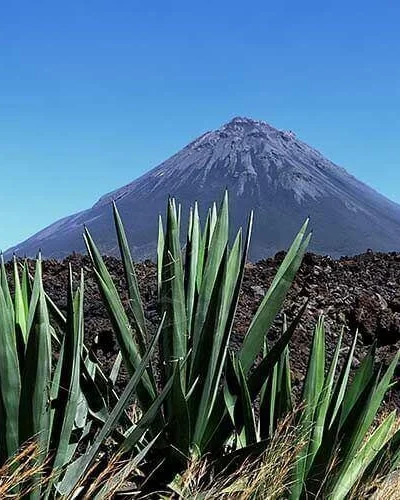
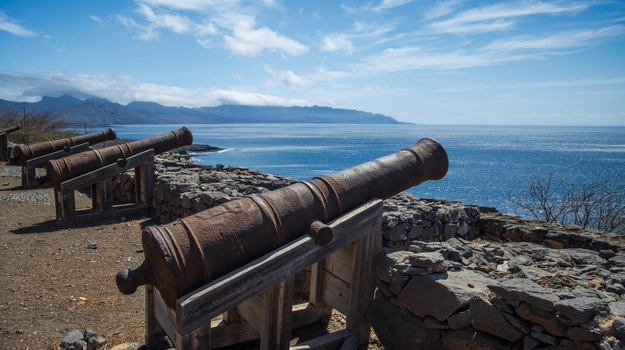
Uninhabited until the 15th century, Cabo Verde was discovered by Portuguese explorers between 1460 and 1462. Its history began in Cidade Velha (formerly Ribeira Grande) on Santiago Island, which became the first European city in West Africa. Due to its strategic location, the archipelago evolved into a vital maritime hub connecting Europe, Africa, and the Americas, prospering significantly as a commercial center and a primary outpost for the transatlantic slave trade.
As the slave trade was abolished and international trade routes shifted, the islands faced a period of economic fragility. These hardships sparked the first great waves of migration, as Cabo Verdeans sought work in the plantations of São Tomé and Príncipe or joined whaling ships heading to the United States. This era of struggle eventually fueled a desire for autonomy, led by a group of intellectuals and the PAIGC (African Independence Party of Guinea and Cabo Verde), founded by Amílcar Cabral.
The path to freedom culminated on July 5, 1975, when Cabo Verde officially declared its independence from Portugal following the “Carnation Revolution” in Lisbon. Since then, the nation has transitioned from a one-party system to a thriving multiparty democracy. Today, Cabo Verde is celebrated as one of the most stable and democratic governments in Africa, ranking fourth on the continent for its Human Development Index (HDI)—a testament to the resilience and progress of its people.
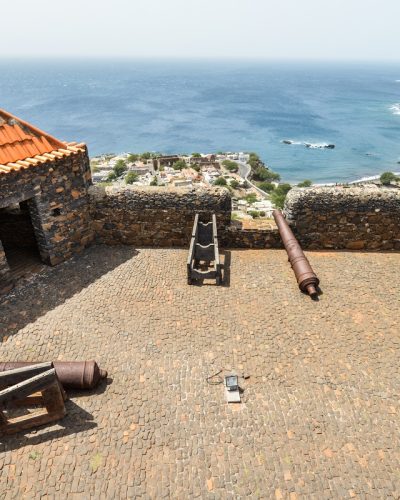
Cabo Verde culture is in the light weight of time, present in conversations on the doorstep and in walks through the villages.
Cabo Verdeans are a deeply multi-ethnic people with a population that is 70% mixed-race, descending from a blend of West African tribes, European settlers, and Sephardic Jews.
While Portuguese remains the official language for administration and education, the national soul of the country is Cabo Verdean Creole, a Portuguese-based language born from the need for cross-cultural communication among enslaved people that remains a powerful cultural bond for the global diaspora today.
The Cabo Verdean diaspora—often called the “11th island”—is so vast that more Cabo Verdeans now live abroad than within the archipelago itself.
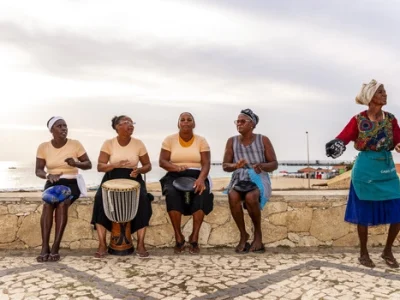
Right after the Creole language, music is the greatest and richest expression of Cabo Verdean culture.
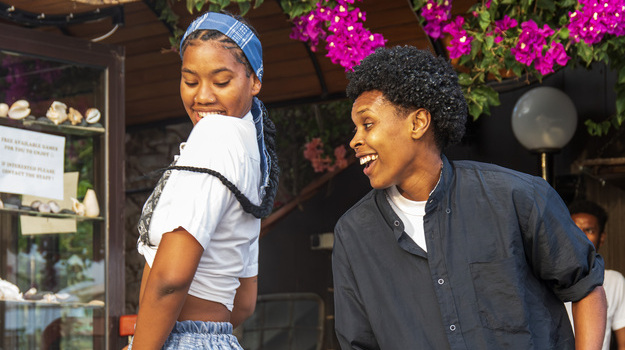
Music and hospitality are the twin pillars of Cabo Verdean identity: music serves as a historic symbol of resistance and daily freedom—ranging from the soulful morna to the energetic funaná—while the national spirit of “sharing” is best exemplified by the communal tradition of offering cachupa to family and strangers alike.
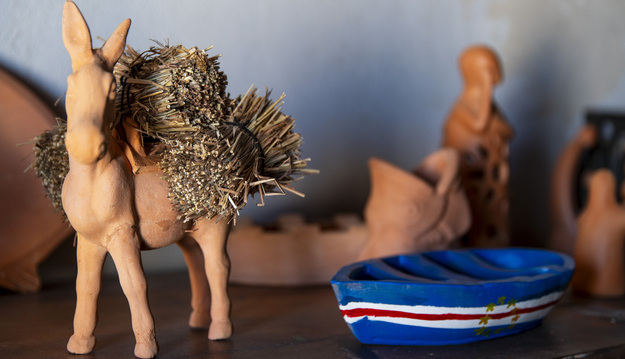
Cabo Verdean craftsmanship is highly specialized by island, ranging from terracotta pottery (Boa Vista, Sal, Maio) and lava sculptures or wine (Fogo) to string instruments (São Vicente) and lace (Brava). Other islands focus on agricultural products like grog and basketry (Santo Antão) or traditional “panu di terra” woven cloths and coconut crafts (Santiago).
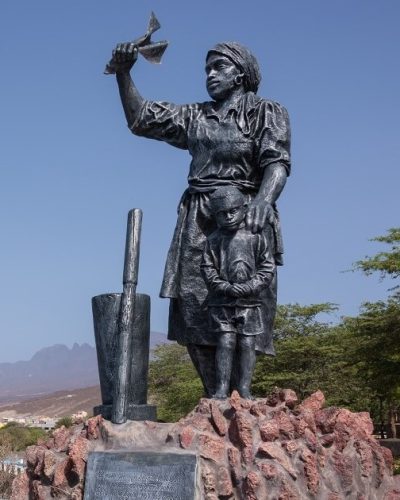
If you enjoy sunny days and pleasant temperatures, Cabo Verde is your destination.
Cabo Verde features an arid to semi-arid climate with a long dry season from November to July, where brief rainfall during the wetter months transforms the rugged islands—like Fogo and Santo Antão—into vibrant, green landscapes.
Cabo Verde offers a year-round tropical climate with average daytime temperatures between 24°C and 28°C, complemented by pleasant sea temperatures (ranging from 21°C to 25°C) that make it a perfect destination for beach and water sports enthusiasts.
Even during the rainy season (August to October), rainfall is low and coincides with the year’s highest temperatures; while it can limit visibility for water sports or make hiking more slippery, it transforms the landscape into a “magical” and lush green paradise.
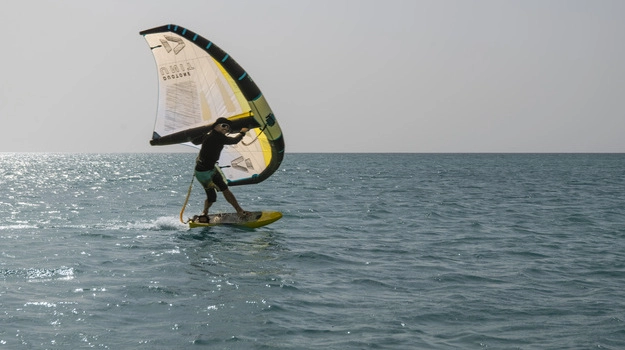
Cabo Verde is a year-round hub for adventure and nature lovers, offering consistent warmth and a variety of seasonal activities. Water sports enthusiasts flock to the islands between October and June, with surfing peaking from December to February and kitesurfing/windsurfing thriving on the strong trade winds from January to April.
Beyond these, visitors can enjoy year-round activities like diving, sport fishing, and mountain biking, or witness the incredible sight of sea turtles nesting on the beaches of Sal, Boa Vista, Maio, and Santiago between June and October.
To stay safe in Cabo Verde’s tropical climate, wear light, breathable clothing and comfortable shoes, stay hydrated, and use high-factor sun protection (hats, sunglasses, and sunscreen) to avoid sunburn, especially during peak heat hours.
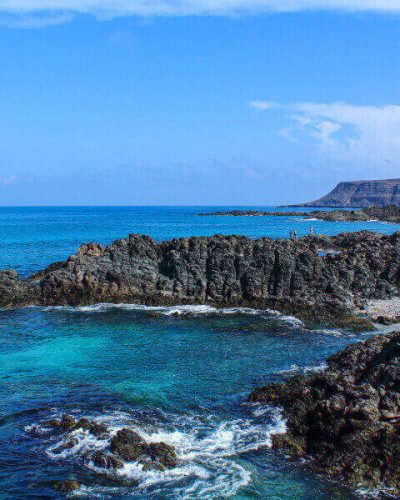
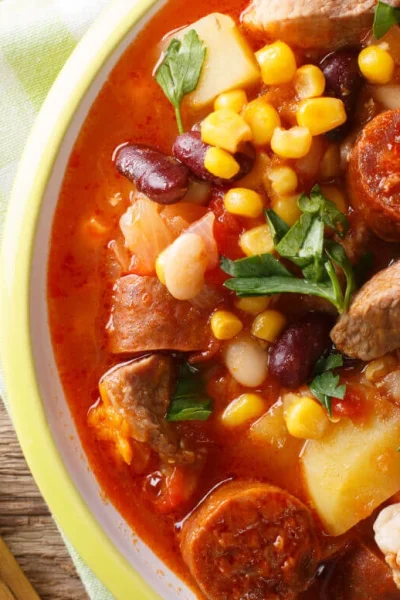
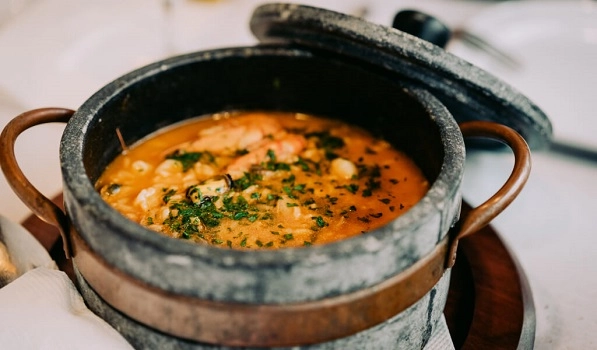
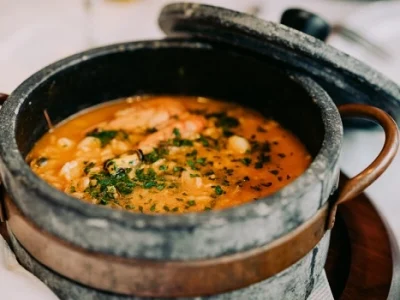
Cabo Verdean cuisine is a vibrant cultural fusion, blending five centuries of West African and Portuguese traditions with influences from Brazil and the East. This culinary “melting pot” is anchored by the spirit of morabeza and the national dish, Cachupa. Whether served as a slow-cooked feast of meats and vegetables (Rica) or a sautéed breakfast with a fried egg (Guisada), this maize and bean-based soul food represents the heart of community gatherings across the archipelago.
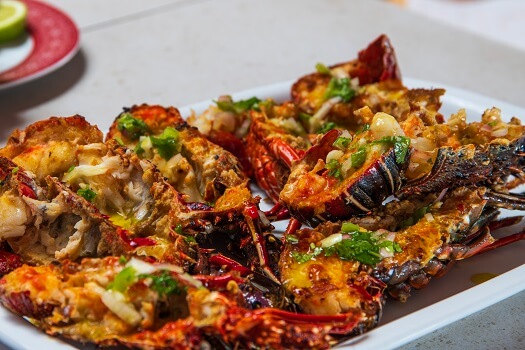
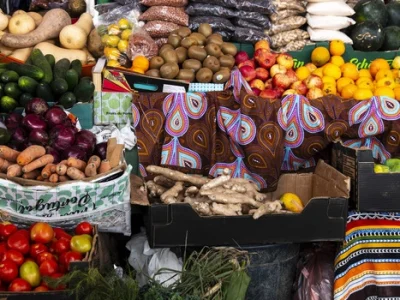
The ocean plays a central role in the local diet, offering an abundance of fresh seafood such as grilled tuna belly, lobster, and specialized delicacies like barnacle spaghetti. These Atlantic flavors are expertly paired with earthy staples like sweet potato, cassava, and zucchini. Beyond the sea, maize remains the versatile “king” of the kitchen, transformed into diverse dishes ranging from Fogo’s hearty Djagacida and savory Papa com Frigenote to festive Xerém and creamy Cuscuz.
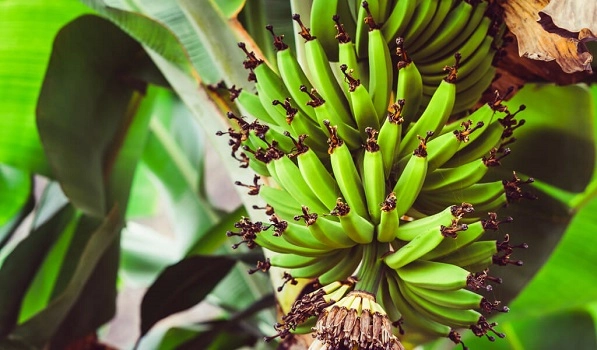
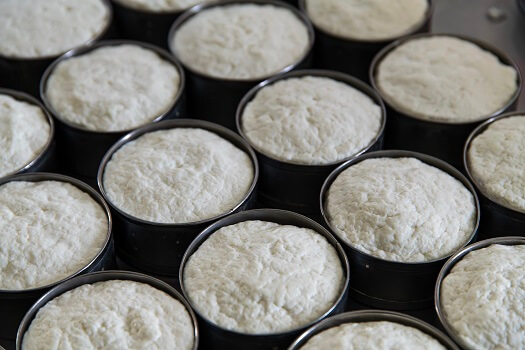
The islands’ volcanic soil produces a unique bounty of fruits and artisanal staples, including aromatic purple bananas, baobab (calabaceira), and mangoes. Locally produced goat cheese is another prized favorite, celebrated for its firm texture and distinctive taste. These fresh ingredients are essential components of the daily diet, reflecting a deep connection to the land and a culinary heritage that continues to evolve while remaining a vital part of the national identity.
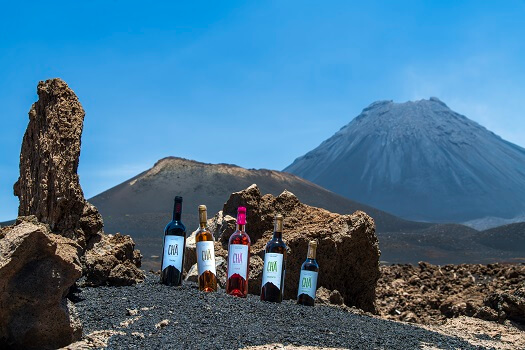
Rounding out the gastronomic experience are the archipelago’s iconic beverages and exports. Grogue, a potent sugarcane brandy, serves as the base for various sweet infusions, while Fogo Island is world-renowned for its volcanic wines, unique Manecom, and “unmissable” coffee. From the first sip of locally brewed Strela beer to the rich aroma of coffee grown on the fertile slopes of Santo Antão, Cabo Verde’s flavors offer a truly immersive journey through its history and geography.


- Overview
-
Cape Verde is a dream archipelago of volcanic origin where the rhythmic soul of Africa meets European and American influences. Born from desert islands that were gradually populated over centuries, the country offers a vibrant tapestry of colors, scents, and customs. It is a place defined by “Morabeza”—a local term for a deep, welcoming hospitality that makes time feel as though it has stood still. For travelers coming from a hectic world, the warm, insular environment serves as a natural incentive for happiness and relaxation.
The islands are famous for their world-class beaches, particularly on Boa Vista, Sal, and Maio, where white sands and turquoise waters are internationally recognized among the best on the planet. Beyond the coast, the archipelago is a culinary paradise for seafood lovers, offering fresh fish served directly from the sea to the table. Whether you are enjoying a traditional Cachupa against a volcanic backdrop or sipping exotic fruit juice by the shore, the flavors of the islands are as unforgettable as the landscape.
Geographically, the nation is divided into the Barlavento (windward) islands to the north and the Sotavento (leeward) islands to the south. Each of the nine inhabited islands offers a distinct personality: Sal and Boa Vista are the hubs for sun and sand; Santo Antão and Brava provide lush, mountainous terrain for agriculture and hiking; São Vicente acts as the cultural heartbeat; and Fogo is dominated by its majestic active volcano. With a stable tropical dry climate and temperatures averaging between 20°C and 25°C, Cape Verde is a year-round sanctuary where every island provides a unique and enriching experience.
- Geography & Geology
-
Cabo Verde is a volcanic archipelago of 10 islands (9 inhabited) and several islets located 455 km off the West African coast. Its boomerang shape is divided into two main groups based on trade winds:
Barlavento (North): Includes Boa Vista, Sal, Santo Antão, Santa Luzia (uninhabited), São Nicolau, and São Vicente.
Sotavento (South): Consists of Brava, Fogo, Maio, and Santiago.
The terrain is rugged and dramatic, featuring deep valleys and high volcanic peaks. The highest point is Pico do Fogo at 2,819 meters.The islands’ isolation and tropical dry climate have created a distinct biological environment:
Fauna: Known for endemic birds like the Raso lark (“calhandra”) and diverse marine life, including pink lobsters, humpback whales, and sea turtles.
Flora: Home to 755 plant species, many of which are concentrated in protected areas.Because many species are unique to the archipelago, conservation is a priority. This is managed through:
Nature Reserves: Including the uninhabited island of Santa Luzia and various islets.
Natural Parks: Numerous parks across the islands (such as Cova, Ribeira da Torre (Paúl), Ilha do Fogo (Fogo), Serra da Malagueta (Assomada – Sta. Catarina), Barreiro e Figueira (Barreiro), Monte Verde (Mindelo), Moroços (Ribeira Grande), Rui Vaz e Pico de Antónia (Rui Vaz), Topo de Coroa (Santo Antão), Monte Gordo (São Nicolau) e Norte (Boa Vista).) protect the archipelago’s distinctive landscape and wildlife. - History
-
Uninhabited until the 15th century, Cabo Verde was discovered by Portuguese explorers between 1460 and 1462. Its history began in Cidade Velha (formerly Ribeira Grande) on Santiago Island, which became the first European city in West Africa. Due to its strategic location, the archipelago evolved into a vital maritime hub connecting Europe, Africa, and the Americas, prospering significantly as a commercial center and a primary outpost for the transatlantic slave trade.
As the slave trade was abolished and international trade routes shifted, the islands faced a period of economic fragility. These hardships sparked the first great waves of migration, as Cabo Verdeans sought work in the plantations of São Tomé and Príncipe or joined whaling ships heading to the United States. This era of struggle eventually fueled a desire for autonomy, led by a group of intellectuals and the PAIGC (African Independence Party of Guinea and Cabo Verde), founded by Amílcar Cabral.
The path to freedom culminated on July 5, 1975, when Cabo Verde officially declared its independence from Portugal following the “Carnation Revolution” in Lisbon. Since then, the nation has transitioned from a one-party system to a thriving multiparty democracy. Today, Cabo Verde is celebrated as one of the most stable and democratic governments in Africa, ranking fourth on the continent for its Human Development Index (HDI)—a testament to the resilience and progress of its people.
- People & Culture
-
Cabo Verde culture is in the light weight of time, present in conversations on the doorstep and in walks through the villages.
Cabo Verdeans are a deeply multi-ethnic people with a population that is 70% mixed-race, descending from a blend of West African tribes, European settlers, and Sephardic Jews.
While Portuguese remains the official language for administration and education, the national soul of the country is Cabo Verdean Creole, a Portuguese-based language born from the need for cross-cultural communication among enslaved people that remains a powerful cultural bond for the global diaspora today.
The Cabo Verdean diaspora—often called the “11th island”—is so vast that more Cabo Verdeans now live abroad than within the archipelago itself.
Right after the Creole language, music is the greatest and richest expression of Cabo Verdean culture.
Music and hospitality are the twin pillars of Cabo Verdean identity: music serves as a historic symbol of resistance and daily freedom—ranging from the soulful morna to the energetic funaná—while the national spirit of “sharing” is best exemplified by the communal tradition of offering cachupa to family and strangers alike.
Cabo Verdean craftsmanship is highly specialized by island, ranging from terracotta pottery (Boa Vista, Sal, Maio) and lava sculptures or wine (Fogo) to string instruments (São Vicente) and lace (Brava). Other islands focus on agricultural products like grog and basketry (Santo Antão) or traditional “panu di terra” woven cloths and coconut crafts (Santiago). - Climate
-
If you enjoy sunny days and pleasant temperatures, Cabo Verde is your destination.
Cabo Verde features an arid to semi-arid climate with a long dry season from November to July, where brief rainfall during the wetter months transforms the rugged islands—like Fogo and Santo Antão—into vibrant, green landscapes.
Cabo Verde offers a year-round tropical climate with average daytime temperatures between 24°C and 28°C, complemented by pleasant sea temperatures (ranging from 21°C to 25°C) that make it a perfect destination for beach and water sports enthusiasts.
Even during the rainy season (August to October), rainfall is low and coincides with the year’s highest temperatures; while it can limit visibility for water sports or make hiking more slippery, it transforms the landscape into a “magical” and lush green paradise.
Cabo Verde is a year-round hub for adventure and nature lovers, offering consistent warmth and a variety of seasonal activities. Water sports enthusiasts flock to the islands between October and June, with surfing peaking from December to February and kitesurfing/windsurfing thriving on the strong trade winds from January to April.
Beyond these, visitors can enjoy year-round activities like diving, sport fishing, and mountain biking, or witness the incredible sight of sea turtles nesting on the beaches of Sal, Boa Vista, Maio, and Santiago between June and October.
To stay safe in Cabo Verde’s tropical climate, wear light, breathable clothing and comfortable shoes, stay hydrated, and use high-factor sun protection (hats, sunglasses, and sunscreen) to avoid sunburn, especially during peak heat hours. - Gastronomy
-
Cabo Verdean cuisine is a vibrant cultural fusion, blending five centuries of West African and Portuguese traditions with influences from Brazil and the East. This culinary “melting pot” is anchored by the spirit of morabeza and the national dish, Cachupa. Whether served as a slow-cooked feast of meats and vegetables (Rica) or a sautéed breakfast with a fried egg (Guisada), this maize and bean-based soul food represents the heart of community gatherings across the archipelago.
The ocean plays a central role in the local diet, offering an abundance of fresh seafood such as grilled tuna belly, lobster, and specialized delicacies like barnacle spaghetti. These Atlantic flavors are expertly paired with earthy staples like sweet potato, cassava, and zucchini. Beyond the sea, maize remains the versatile “king” of the kitchen, transformed into diverse dishes ranging from Fogo’s hearty Djagacida and savory Papa com Frigenote to festive Xerém and creamy Cuscuz.
The islands’ volcanic soil produces a unique bounty of fruits and artisanal staples, including aromatic purple bananas, baobab (calabaceira), and mangoes. Locally produced goat cheese is another prized favorite, celebrated for its firm texture and distinctive taste. These fresh ingredients are essential components of the daily diet, reflecting a deep connection to the land and a culinary heritage that continues to evolve while remaining a vital part of the national identity.
Rounding out the gastronomic experience are the archipelago’s iconic beverages and exports. Grogue, a potent sugarcane brandy, serves as the base for various sweet infusions, while Fogo Island is world-renowned for its volcanic wines, unique Manecom, and “unmissable” coffee. From the first sip of locally brewed Strela beer to the rich aroma of coffee grown on the fertile slopes of Santo Antão, Cabo Verde’s flavors offer a truly immersive journey through its history and geography.
- Gallery
-
Find Experiences
Salt on the skin, sea in the soul
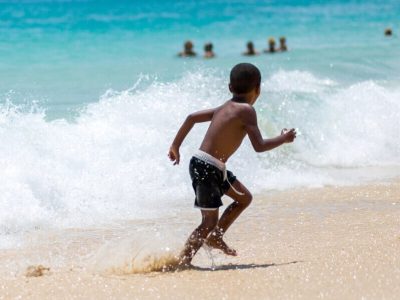
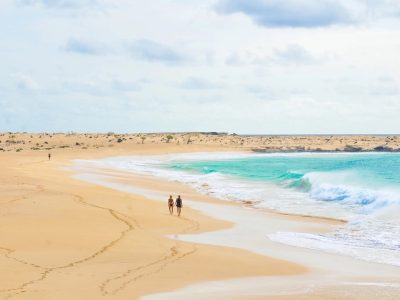
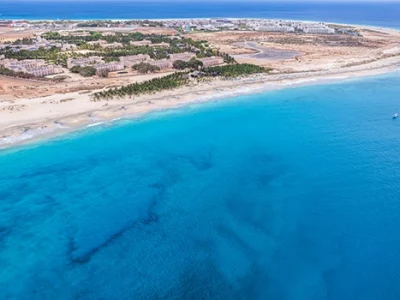
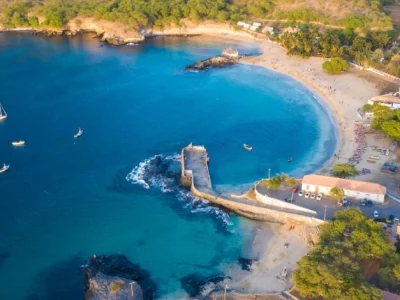
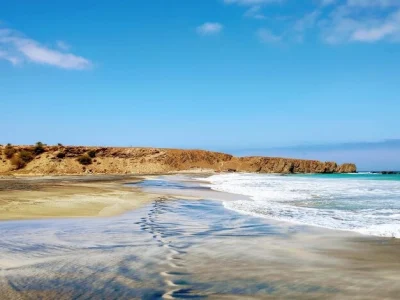
Cabo Verde offers a diverse and stunning range of beaches across its islands, from lively and easily accessible shores to hidden, tranquil paradises. With crystal-clear Atlantic waters and year-round sunshine, the beaches cater to all tastes—whether for pure relaxation, family holidays, or adventure.
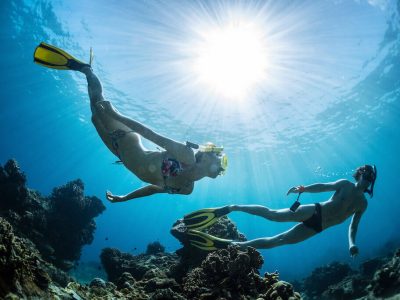
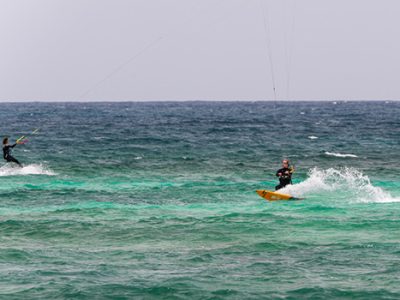
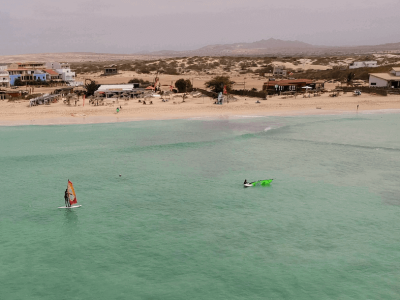
Thanks to consistent winds and waves, Cabo Verde is a top destination for kitesurfing, windsurfing, surfing, snorkeling, and diving. Seasonal highlights include whale watching (March–May) and sea turtle nesting (June–November), with unique experiences like swimming with turtles on São Vicente.
Adventure seekers can enjoy buggy and 4×4 rides through the dunes, especially on Boa Vista, while food lovers can savor local cuisine by the sea. Islands such as Sal, Boa Vista, Santiago, and São Vicente are ideal for families due to their infrastructure, while Santo Antão stands out for its wild, exclusive landscapes, accessible only by boat.
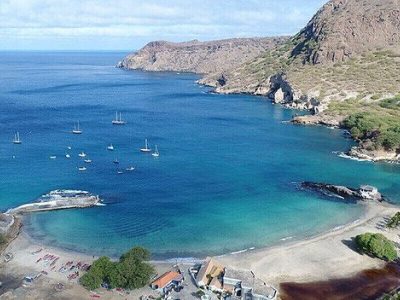
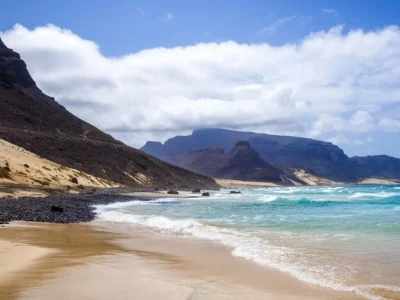
Cabo Verde’s islands offer a rich variety of beach experiences: from the sunny, sandy shores of Sal and Boa Vista to the peaceful, crystal-clear waters of Maio. Santiago combines dramatic landscapes with golden sand and local warmth, while Santo Antão impresses with its striking contrast between green mountains and blue sea. São Vicente stands out for its powerful waves, surf culture, and musical soul, and São Nicolau offers secluded, untouched beaches perfect for quiet discovery and relaxation.
Volcanic Landscapes of Cabo Verde
Archipelago shaped by volcanic activity, featuring dramatic terrain and unique ecosystems.
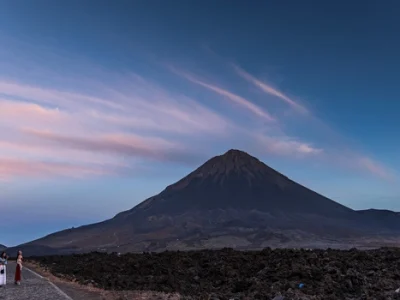
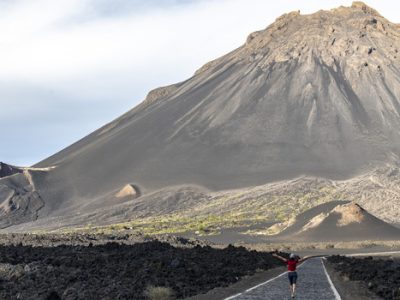
Vulcão do Fogo
Highest and only active volcano in Cabo Verde (2,829 m). The volcanic cone supports agriculture, including vineyards producing distinctive high-alcohol wines.
Brava Volcano
Island marked by volcanic formations, notably Fundo Grande, home to one of the largest craters, Caldeira, surrounded by steep volcanic cliffs.
Santo Antão Volcano
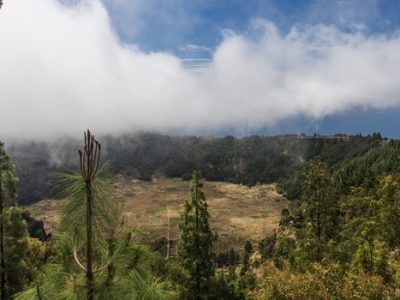
Known for rugged terrain and deep valleys. Cova do Paúl is an extinct volcanic crater now forming a fertile agricultural valley.
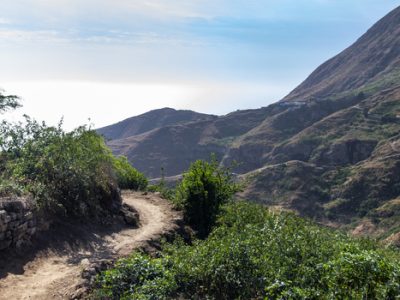
Thousand enchanted hikes: where nature and adventure come together to capture hearts
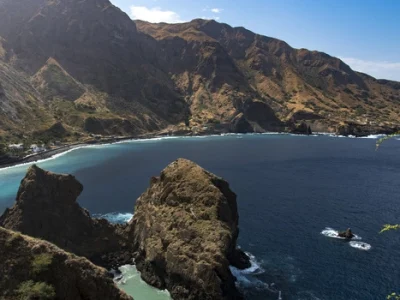
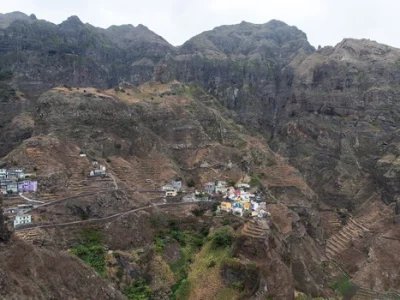
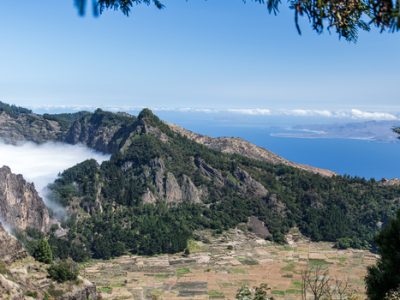
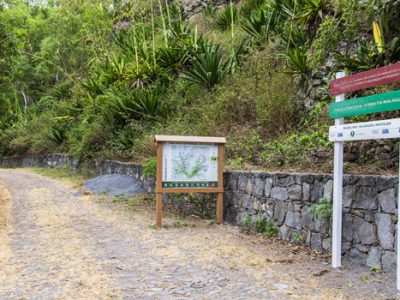
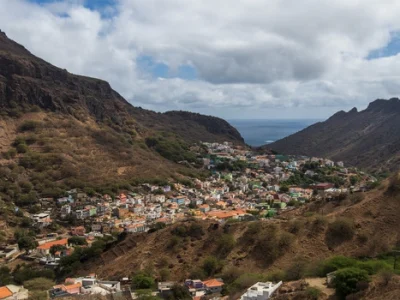
Cabo Verde is synonymous with unique natural beauty. The idyllic scenery always provides a stage for exceptional experiences. Cabo Verde, with its ten islands, is full of hiking trails that promise to delight nature sports enthusiasts. Taking a trail on any of the archipelago’s islands is experiencing the essence of Cabo Verde.
Culture & Flavors That Captivate
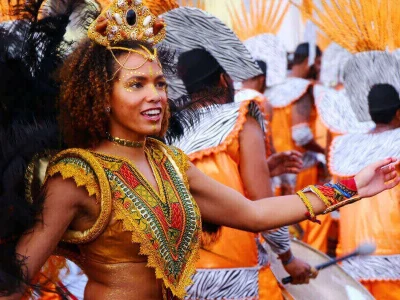
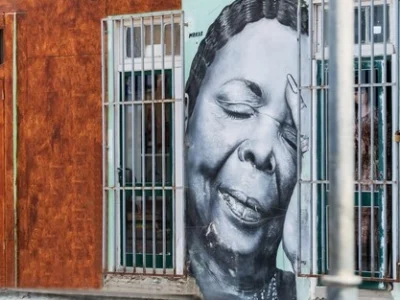
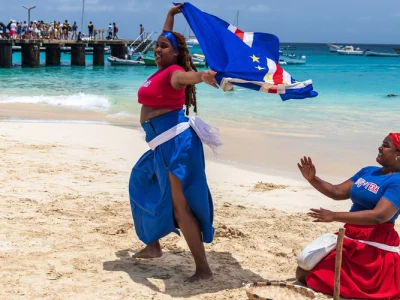
Cabo Verde isn’t just natural beauty — it’s a land shaped by history, music, and traditions, blending African and European legacies. Every rhythm, dance, and craft tells the story of its roots.
Our Heritage
Music, dance, gastronomy, and crafts — proudly preserved and shared with future generations. Every experience is a connection to Cabo Verde’s identity.
Taste Cabo Verde
Creole cuisine bursts with color, flavor, and tradition. Fresh fish, aromatic herbs, and local spices create unforgettable dishes:
Cachupa, Sweated Lobster, Modje,Fried Moray Eel,Xerém,Fish Pasties ,Cassava Fritters with Honey Syrup,Pontche
Experience the Flavor & Soul
Every meal, every dance, every craft is a story — a taste of Cabo Verde you won’t find anywhere else.
Discover Culture. Savor Tradition.
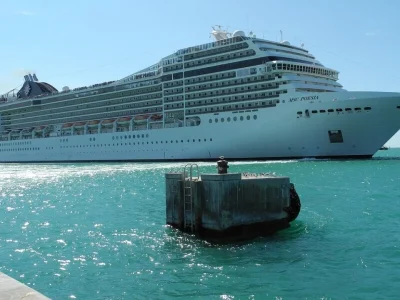
Cabo Verde: A Premier Cruise Destination
Strategically located on major cruise routes between Europe and the Americas, Cabo Verde is an increasingly sought-after stop, with growing investment in modern port infrastructure.
Blessed with year-round sunshine, stunning beaches, dramatic landscapes, vibrant music and dance, rich history, and colorful gastronomy, the archipelago delivers unforgettable experiences in every port.
Cruise ships mainly dock in Mindelo (São Vicente) and Praia (Santiago), giving visitors easy access to culture, nature, and local life. With a warm welcome, outdoor adventures, and diverse onboard and onshore experiences, Cabo Verde is the perfect destination for cruising Africa — any time of the year.
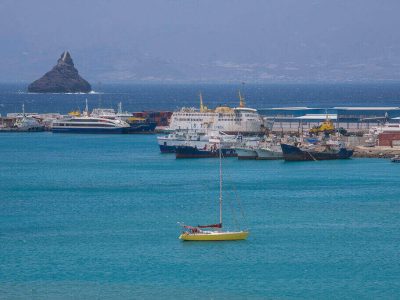
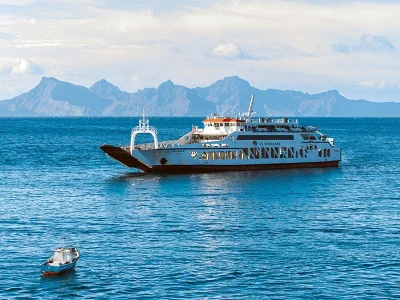
Cabo Verde – Ocean Adventures. Island Soul.
Cabo Verde is an Atlantic paradise shaped by wind, waves, and morabeza — the warmth that makes every visitor feel like family. Boa viaji!
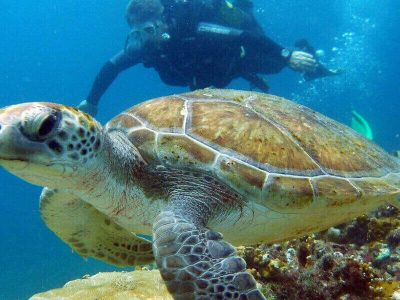
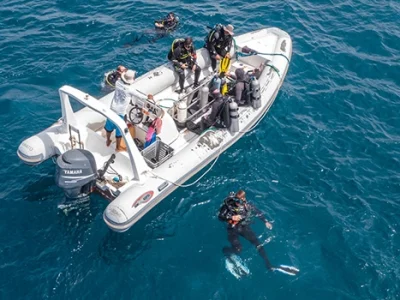
Dive the Atlantic
Volcanic reefs, colorful coral, and unforgettable marine encounters — from turtles to humpback whales.
Top spots: Sal • Santiago • Santo Antão • Fogo
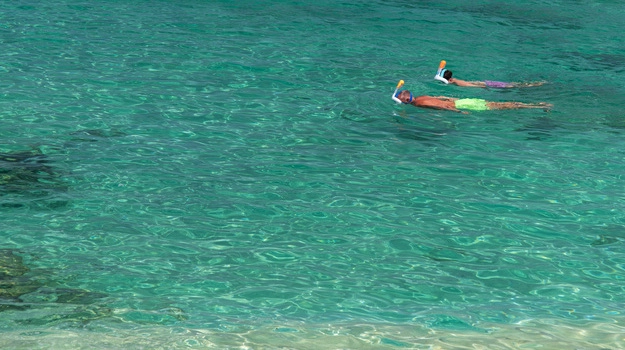
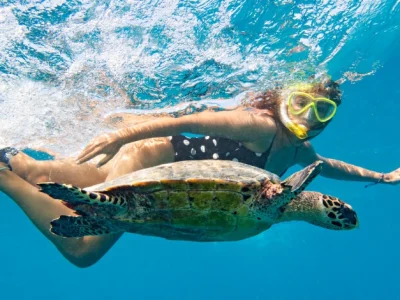
Snorkel in Clear Waters
Calm seas and rich marine life make snorkeling easy and spectacular in Sal, Boa Vista, and Santa Maria Bay.
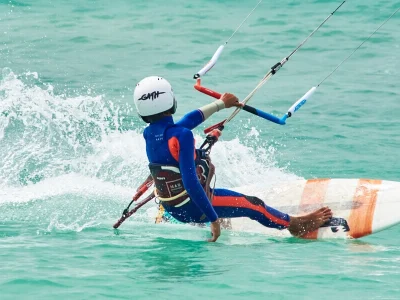
Ride Wind & Waves
A global hotspot for surfing, windsurfing, and kitesurfing with year-round conditions. Best season: Nov–May
Paddle & Explore
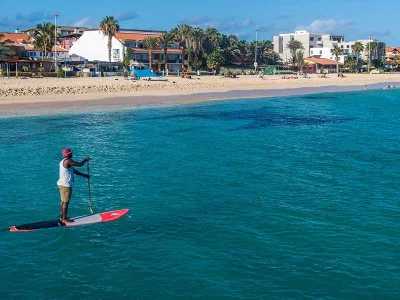
Glide across peaceful bays in Boa Vista, Sal, and São Vicente.
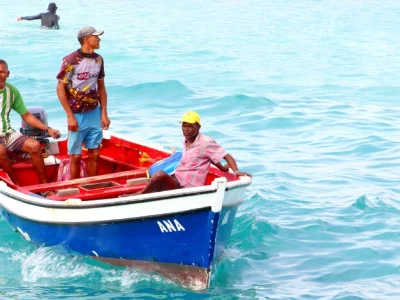
Legendary Fishing
Home to tuna, barracuda, and blue marlin — with sustainable catch & release.
Feel the Morabeza
More than a destination — it’s a welcome, a connection, a memory.
Explore Cabo Verde. Dive deeper.
Travel With Purpose
Turn your holiday into a positive impact. Environmental volunteering in Cabo Verde lets you explore breathtaking islands while protecting nature and wildlife.
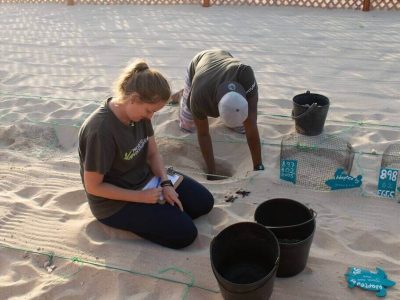
Protect Marine Life
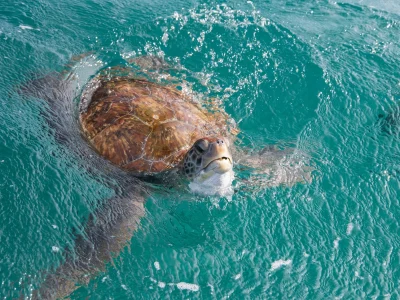
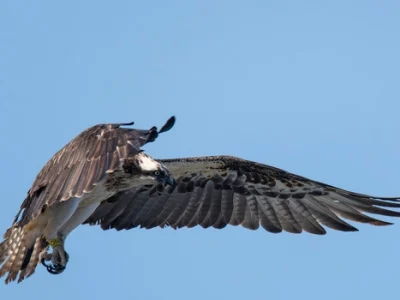
Volunteer alongside local experts to safeguard humpback whales, marine turtles, and seabirds. From monitoring nests to rescuing hatchlings, your contribution matters.
Top opportunities:
Track and protect turtle nests (Sal, Boa Vista, Maio);Support seabird research and conservation;Preserve endemic plants and natural habitats
Learn, Share, Contribute
Experience the true essence of Cabo Verdean life through hands-on volunteering. Every task connects you to the islands’ culture, nature, and community — leaving a lasting mark on a more sustainable future.
Join the Adventure
Discover Cabo Verde. Protect its treasures. Make your trip meaningful.
Travel with purpose. Leave a legacy.
- Sun and Beach
-
Salt on the skin, sea in the soul
Cabo Verde offers a diverse and stunning range of beaches across its islands, from lively and easily accessible shores to hidden, tranquil paradises. With crystal-clear Atlantic waters and year-round sunshine, the beaches cater to all tastes—whether for pure relaxation, family holidays, or adventure.
Thanks to consistent winds and waves, Cabo Verde is a top destination for kitesurfing, windsurfing, surfing, snorkeling, and diving. Seasonal highlights include whale watching (March–May) and sea turtle nesting (June–November), with unique experiences like swimming with turtles on São Vicente.
Adventure seekers can enjoy buggy and 4×4 rides through the dunes, especially on Boa Vista, while food lovers can savor local cuisine by the sea. Islands such as Sal, Boa Vista, Santiago, and São Vicente are ideal for families due to their infrastructure, while Santo Antão stands out for its wild, exclusive landscapes, accessible only by boat.
Cabo Verde’s islands offer a rich variety of beach experiences: from the sunny, sandy shores of Sal and Boa Vista to the peaceful, crystal-clear waters of Maio. Santiago combines dramatic landscapes with golden sand and local warmth, while Santo Antão impresses with its striking contrast between green mountains and blue sea. São Vicente stands out for its powerful waves, surf culture, and musical soul, and São Nicolau offers secluded, untouched beaches perfect for quiet discovery and relaxation.
- Nature and Adventure
-
Volcanic Landscapes of Cabo Verde
Archipelago shaped by volcanic activity, featuring dramatic terrain and unique ecosystems.
Vulcão do Fogo
Highest and only active volcano in Cabo Verde (2,829 m). The volcanic cone supports agriculture, including vineyards producing distinctive high-alcohol wines.
Brava Volcano
Island marked by volcanic formations, notably Fundo Grande, home to one of the largest craters, Caldeira, surrounded by steep volcanic cliffs.
Santo Antão Volcano
Known for rugged terrain and deep valleys. Cova do Paúl is an extinct volcanic crater now forming a fertile agricultural valley.
Thousand enchanted hikes: where nature and adventure come together to capture hearts
Cabo Verde is synonymous with unique natural beauty. The idyllic scenery always provides a stage for exceptional experiences. Cabo Verde, with its ten islands, is full of hiking trails that promise to delight nature sports enthusiasts. Taking a trail on any of the archipelago’s islands is experiencing the essence of Cabo Verde. - Culture and Art
-
Culture & Flavors That Captivate
Cabo Verde isn’t just natural beauty — it’s a land shaped by history, music, and traditions, blending African and European legacies. Every rhythm, dance, and craft tells the story of its roots.
Our Heritage
Music, dance, gastronomy, and crafts — proudly preserved and shared with future generations. Every experience is a connection to Cabo Verde’s identity.
Taste Cabo Verde
Creole cuisine bursts with color, flavor, and tradition. Fresh fish, aromatic herbs, and local spices create unforgettable dishes:
Cachupa, Sweated Lobster, Modje,Fried Moray Eel,Xerém,Fish Pasties ,Cassava Fritters with Honey Syrup,Pontche
Experience the Flavor & Soul
Every meal, every dance, every craft is a story — a taste of Cabo Verde you won’t find anywhere else.
Discover Culture. Savor Tradition. - Cruises
-
Cabo Verde: A Premier Cruise Destination
Strategically located on major cruise routes between Europe and the Americas, Cabo Verde is an increasingly sought-after stop, with growing investment in modern port infrastructure.Blessed with year-round sunshine, stunning beaches, dramatic landscapes, vibrant music and dance, rich history, and colorful gastronomy, the archipelago delivers unforgettable experiences in every port.
Cruise ships mainly dock in Mindelo (São Vicente) and Praia (Santiago), giving visitors easy access to culture, nature, and local life. With a warm welcome, outdoor adventures, and diverse onboard and onshore experiences, Cabo Verde is the perfect destination for cruising Africa — any time of the year.
- Nautic Tourism
-
Cabo Verde – Ocean Adventures. Island Soul.
Cabo Verde is an Atlantic paradise shaped by wind, waves, and morabeza — the warmth that makes every visitor feel like family. Boa viaji!
Dive the Atlantic
Volcanic reefs, colorful coral, and unforgettable marine encounters — from turtles to humpback whales.
Top spots: Sal • Santiago • Santo Antão • Fogo
Snorkel in Clear Waters
Calm seas and rich marine life make snorkeling easy and spectacular in Sal, Boa Vista, and Santa Maria Bay.
Ride Wind & Waves
A global hotspot for surfing, windsurfing, and kitesurfing with year-round conditions. Best season: Nov–May
Paddle & Explore
Glide across peaceful bays in Boa Vista, Sal, and São Vicente.
Legendary Fishing
Home to tuna, barracuda, and blue marlin — with sustainable catch & release.
Feel the Morabeza
More than a destination — it’s a welcome, a connection, a memory.
Explore Cabo Verde. Dive deeper. - Environmental volunteering
-
Travel With Purpose
Turn your holiday into a positive impact. Environmental volunteering in Cabo Verde lets you explore breathtaking islands while protecting nature and wildlife.
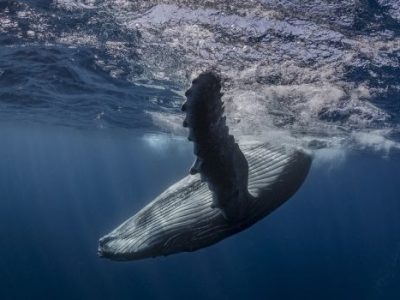
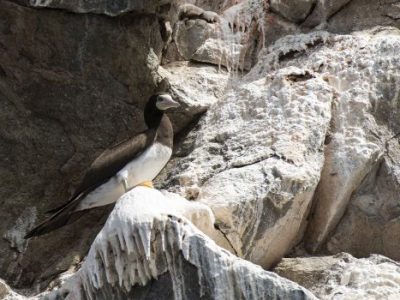
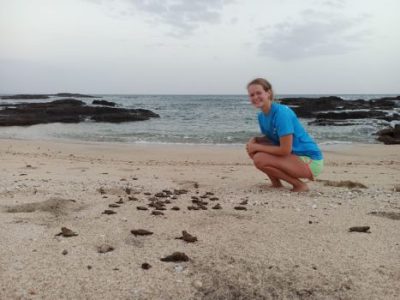
Protect Marine Life
Volunteer alongside local experts to safeguard humpback whales, marine turtles, and seabirds. From monitoring nests to rescuing hatchlings, your contribution matters.
Top opportunities:
Track and protect turtle nests (Sal, Boa Vista, Maio);Support seabird research and conservation;Preserve endemic plants and natural habitats
Learn, Share, Contribute
Experience the true essence of Cabo Verdean life through hands-on volunteering. Every task connects you to the islands’ culture, nature, and community — leaving a lasting mark on a more sustainable future.
Join the Adventure
Discover Cabo Verde. Protect its treasures. Make your trip meaningful.
Travel with purpose. Leave a legacy.