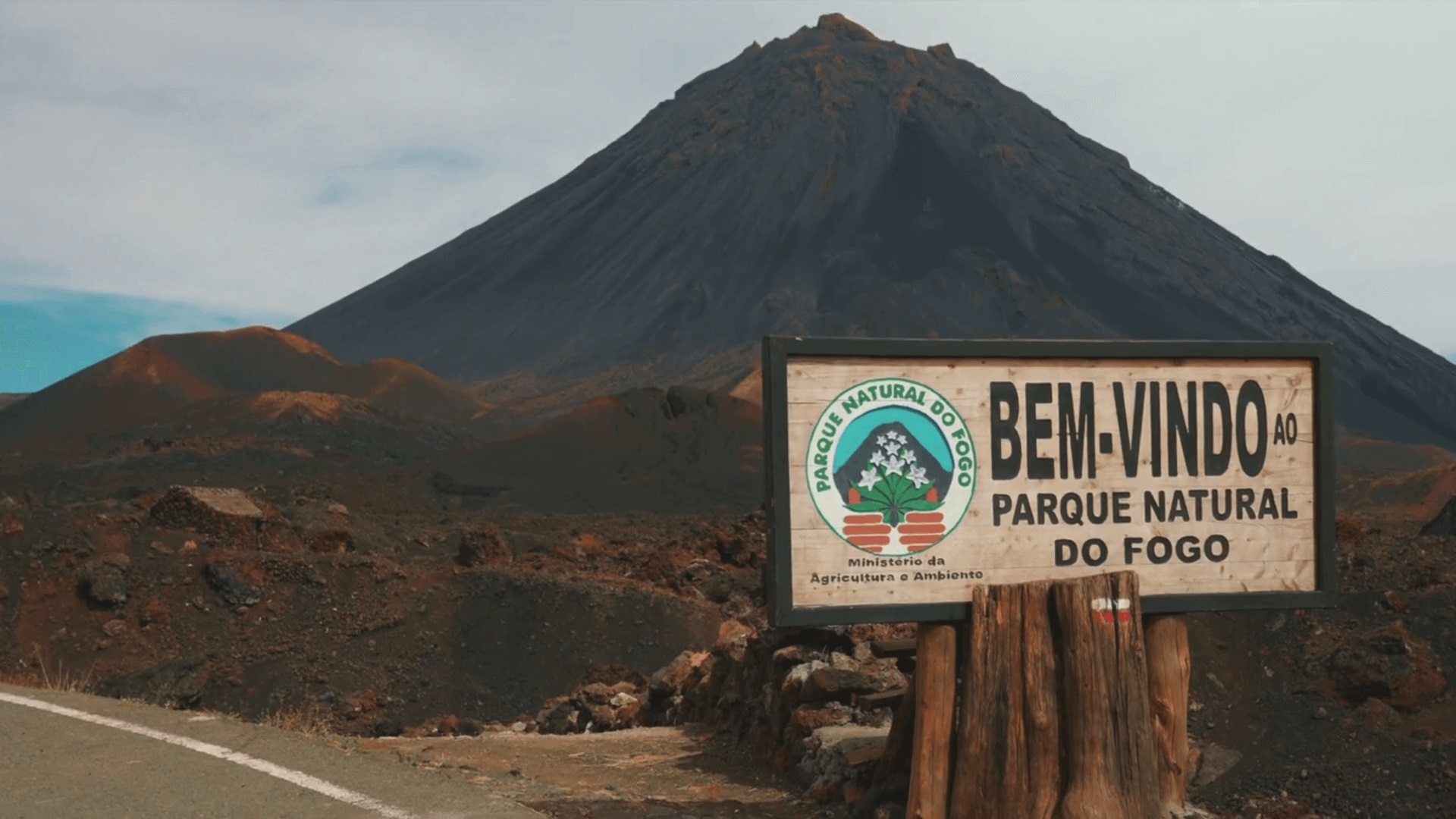
An imposing volcano to discover
Fogo — The magic of a unique place
Fogo Island is one of Cabo Verde’s most distinctive destinations, shaped by its imposing active volcano and deep-rooted history.
Visitors are drawn to its dramatic landscapes and the unique experience of exploring an island where nature’s power is always present.
Arriving on Fogo often brings an immediate, almost indescribable sense of connection.
Towering volcanic scenery creates awe, reminding visitors of both the island’s beauty and its force.
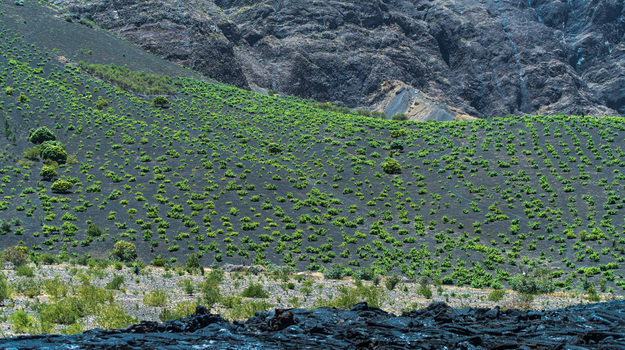
While eruptions have brought destruction, the volcano also enriches the soil, supporting agriculture and enabling the production of local goods such as vegetables, wine, and cheese—making Fogo a place where resilience and natural wonder coexist.
About Fogo
Fogo Island is one of Cabo Verde’s most iconic destinations, renowned for its active volcano—one of the country’s greatest natural symbols.
Discovered in 1460 by Portuguese explorers, the island blends dramatic volcanic landscapes with a rich colonial history still visible in its architecture.
Its capital, São Filipe, stands out as a colorful and lively city, alongside other important communities like Mosteiros and Achada Furna.
Despite repeated eruptions that have caused significant destruction, the resilient people of Fogo continually rebuild, preserving deep-rooted traditions while embracing modern life.
This powerful mix of natural beauty, history, and unbreakable spirit makes Fogo a truly unforgettable place to visit.
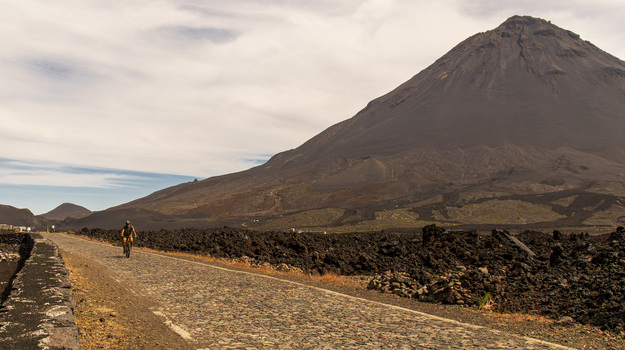
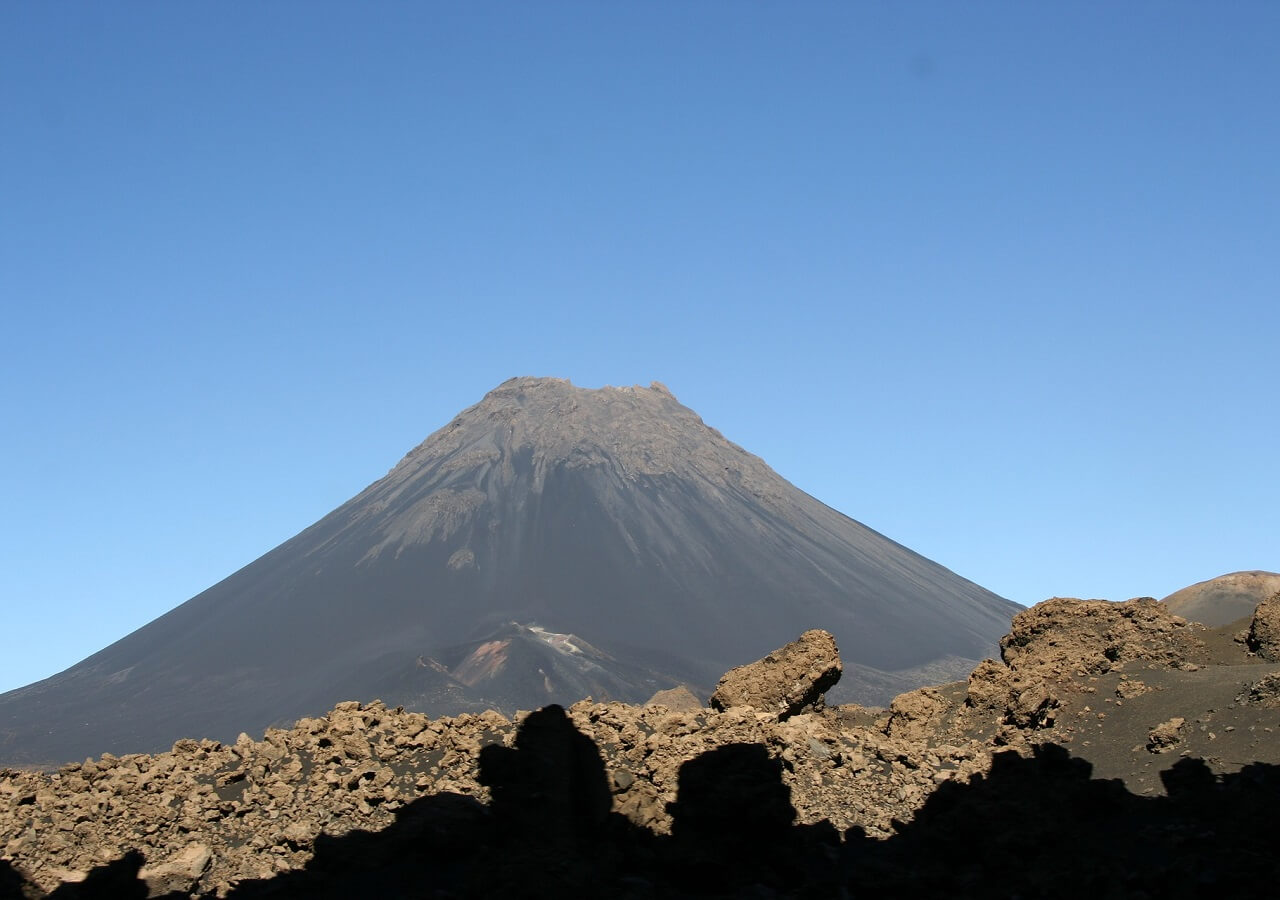
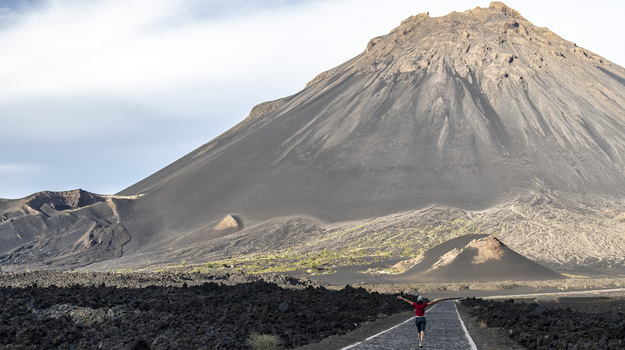
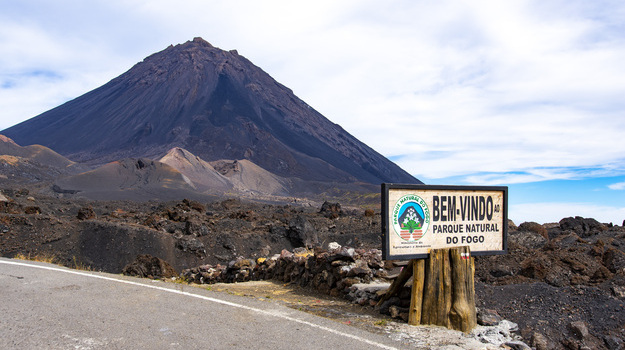
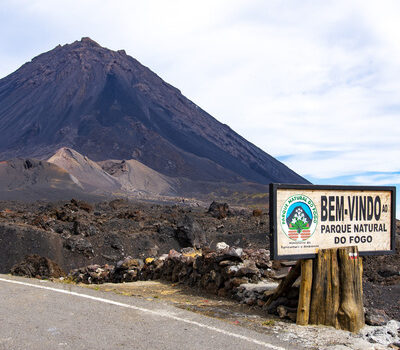
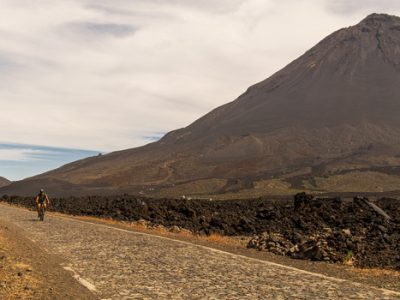
Fogo is defined by its dramatic volcanic landscape, dominated by the imposing Pico do Fogo — Cabo Verde’s highest peak and an active volcano.
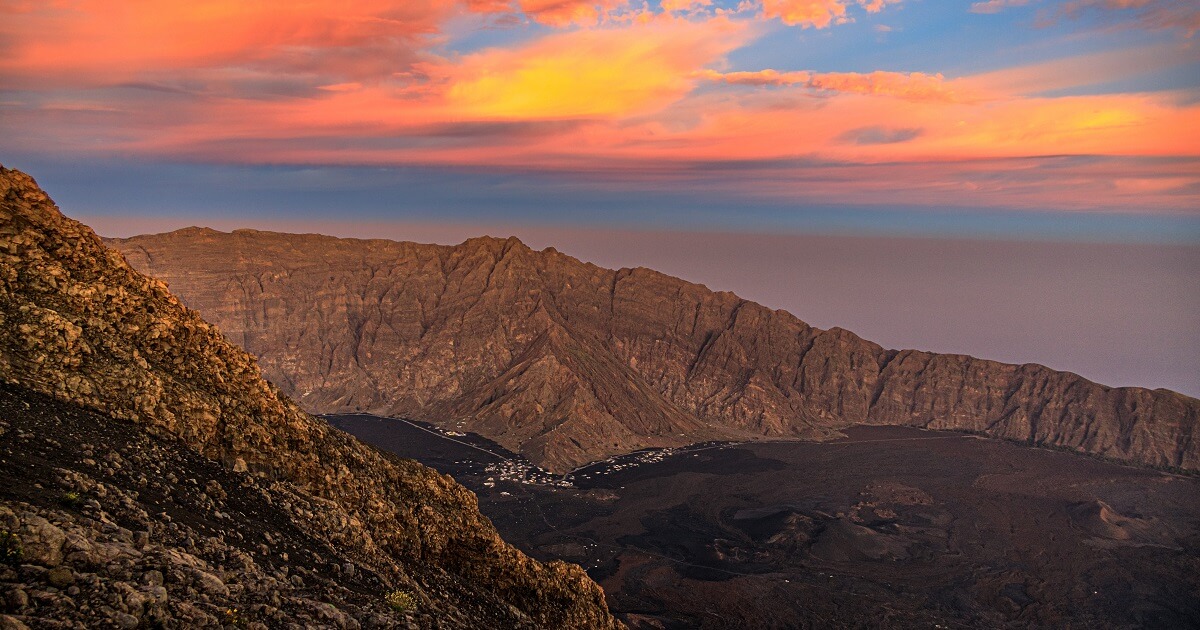
Hiking to the summit or exploring Chã das Caldeiras, a village inside the crater, offers a rare opportunity to witness life shaped by lava and fertile ash.
The Fogo Natural Park protects endemic flora and fauna, while trails, forests like Monte Velha, and scenic viewpoints reveal the island’s raw beauty.
From volcanic plains to green agricultural valleys, Fogo is a paradise for adventure seekers and nature lovers.
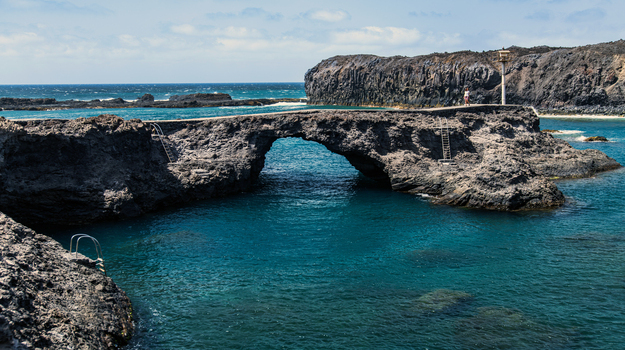
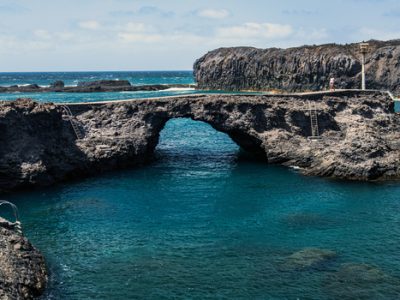
Fogo’s coastline is marked by striking black-sand beaches formed from volcanic rock, creating a unique contrast with the Atlantic’s deep blue waters.
Beaches such as Fonte Bila, Vale dos Cavaleiros, and Salinas offer dramatic scenery, natural rock formations, and quieter bathing spots.
While less resort-focused than other islands, Fogo’s shores are perfect for relaxation, coastal walks, and photography.
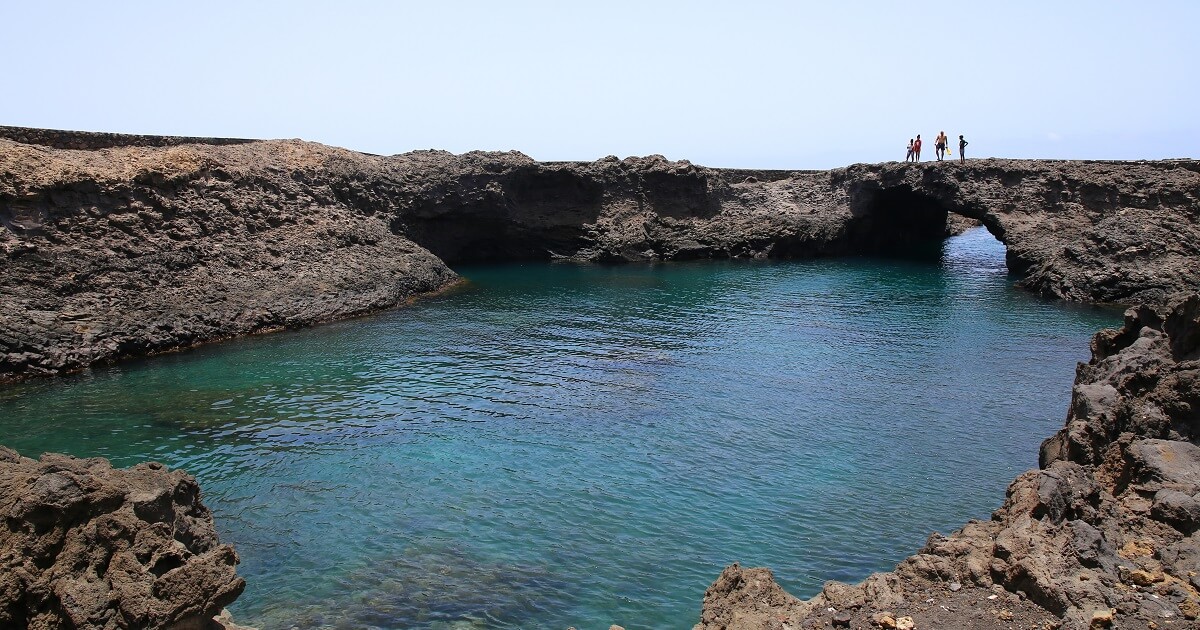
Natural lava pools and seaside cliffs add to the island’s untamed coastal charm.
Life on Fogo is deeply connected to its volcano, shaping traditions, architecture, and community resilience.
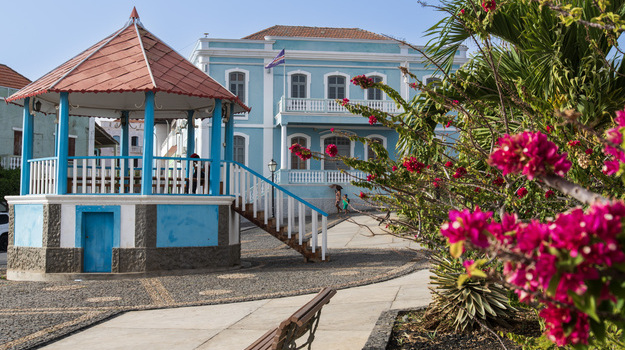
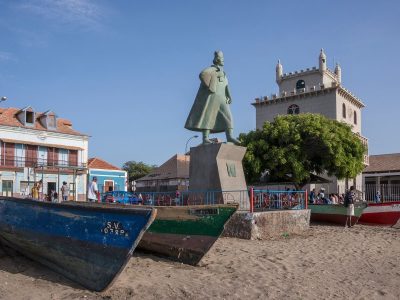
São Filipe, the island’s main town, features colonial sobrados, museums, and cultural centers preserving local history.
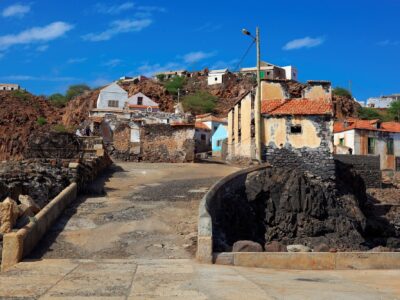
Villages like Mosteiros and Chã das Caldeiras reflect rural traditions and post-eruption rebirth.
Festivals such as São João and the Coffee Festival celebrate music, agriculture, and faith, blending religious rituals with dance, food, and local customs passed through generations.
Fogo’s fertile volcanic soil produces some of Cabo Verde’s most distinctive flavors.
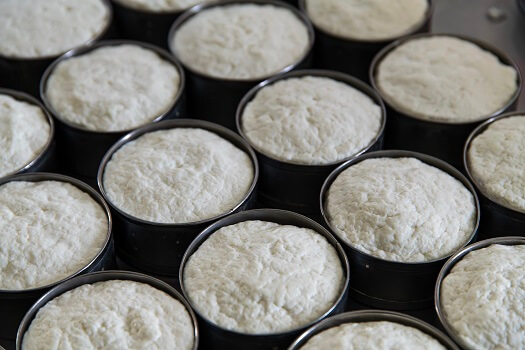
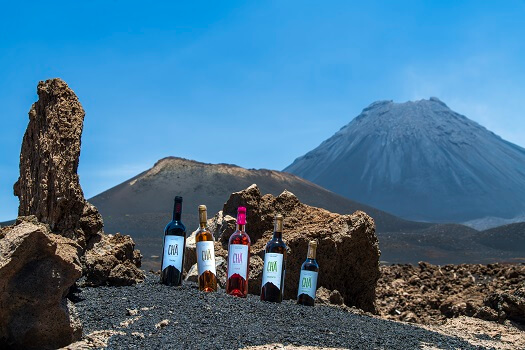
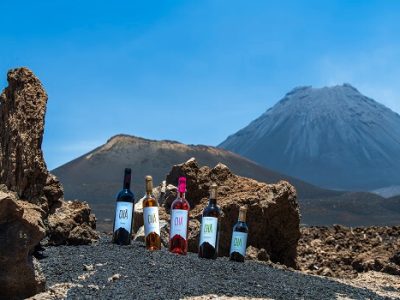
The island is renowned for its wine, grown in Chã das Caldeiras vineyards, as well as goat cheese, coffee, and fruit-based “ponche” spirits.
Restaurants highlight these local products alongside traditional dishes like cachupa and fresh seafood.
Evenings are relaxed and social, filled with morna music, local drinks, and conversations that reflect the island’s warm, close-knit community spirit.
Fogo is accessible by domestic flights from Santiago or by ferry on the Santiago–Fogo–Brava route.
Getting around is easy via taxis, rental cars, or local buses, though guided tours are recommended for volcano hikes.
The local currency is the Cape Verdean Escudo (CVE).
Visitors should pack sun protection, hiking footwear, and layered clothing for cooler volcanic elevations.
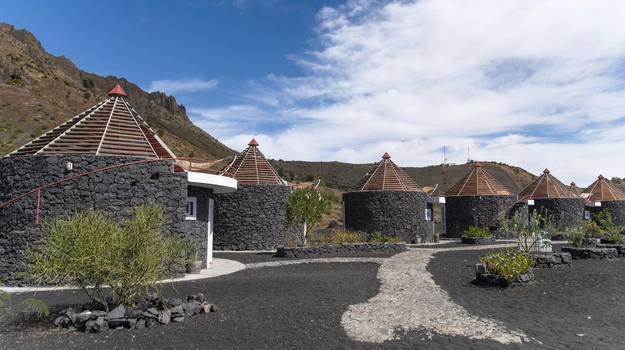
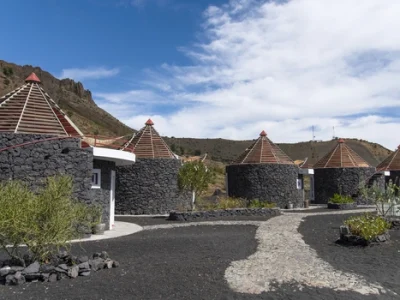
Accommodation ranges from guesthouses to crater lodges, offering unforgettable stays close to the volcano.
- Overview
-
Fogo Island is one of Cabo Verde’s most iconic destinations, renowned for its active volcano—one of the country’s greatest natural symbols.
Discovered in 1460 by Portuguese explorers, the island blends dramatic volcanic landscapes with a rich colonial history still visible in its architecture.
Its capital, São Filipe, stands out as a colorful and lively city, alongside other important communities like Mosteiros and Achada Furna.
Despite repeated eruptions that have caused significant destruction, the resilient people of Fogo continually rebuild, preserving deep-rooted traditions while embracing modern life.
This powerful mix of natural beauty, history, and unbreakable spirit makes Fogo a truly unforgettable place to visit. - Explore & Nature
-
Fogo is defined by its dramatic volcanic landscape, dominated by the imposing Pico do Fogo — Cabo Verde’s highest peak and an active volcano.
Hiking to the summit or exploring Chã das Caldeiras, a village inside the crater, offers a rare opportunity to witness life shaped by lava and fertile ash.
The Fogo Natural Park protects endemic flora and fauna, while trails, forests like Monte Velha, and scenic viewpoints reveal the island’s raw beauty.
From volcanic plains to green agricultural valleys, Fogo is a paradise for adventure seekers and nature lovers. - Beaches & Sea
-
Fogo’s coastline is marked by striking black-sand beaches formed from volcanic rock, creating a unique contrast with the Atlantic’s deep blue waters.
Beaches such as Fonte Bila, Vale dos Cavaleiros, and Salinas offer dramatic scenery, natural rock formations, and quieter bathing spots.
While less resort-focused than other islands, Fogo’s shores are perfect for relaxation, coastal walks, and photography.
Natural lava pools and seaside cliffs add to the island’s untamed coastal charm. - Culture & Heritage
-
Life on Fogo is deeply connected to its volcano, shaping traditions, architecture, and community resilience.
São Filipe, the island’s main town, features colonial sobrados, museums, and cultural centers preserving local history.
Villages like Mosteiros and Chã das Caldeiras reflect rural traditions and post-eruption rebirth.
Festivals such as São João and the Coffee Festival celebrate music, agriculture, and faith, blending religious rituals with dance, food, and local customs passed through generations. - Food, Drink & Local Life
-
Fogo’s fertile volcanic soil produces some of Cabo Verde’s most distinctive flavors.
The island is renowned for its wine, grown in Chã das Caldeiras vineyards, as well as goat cheese, coffee, and fruit-based “ponche” spirits.
Restaurants highlight these local products alongside traditional dishes like cachupa and fresh seafood.
Evenings are relaxed and social, filled with morna music, local drinks, and conversations that reflect the island’s warm, close-knit community spirit. - Plan Your Trip
-
Fogo is accessible by domestic flights from Santiago or by ferry on the Santiago–Fogo–Brava route.
Getting around is easy via taxis, rental cars, or local buses, though guided tours are recommended for volcano hikes.
The local currency is the Cape Verdean Escudo (CVE).
Visitors should pack sun protection, hiking footwear, and layered clothing for cooler volcanic elevations.
Accommodation ranges from guesthouses to crater lodges, offering unforgettable stays close to the volcano.
Gallery