The heavenly place you’ve always dreamed of
Boa Vista — Wonderful beaches to discover
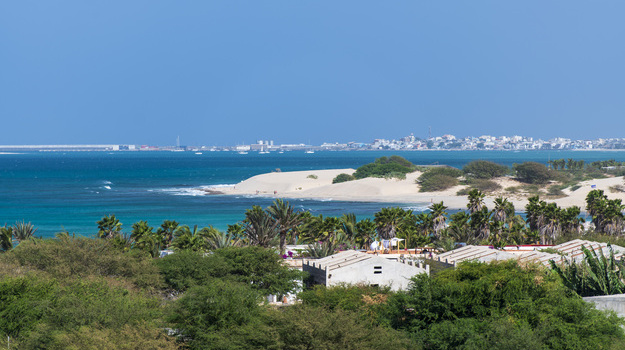
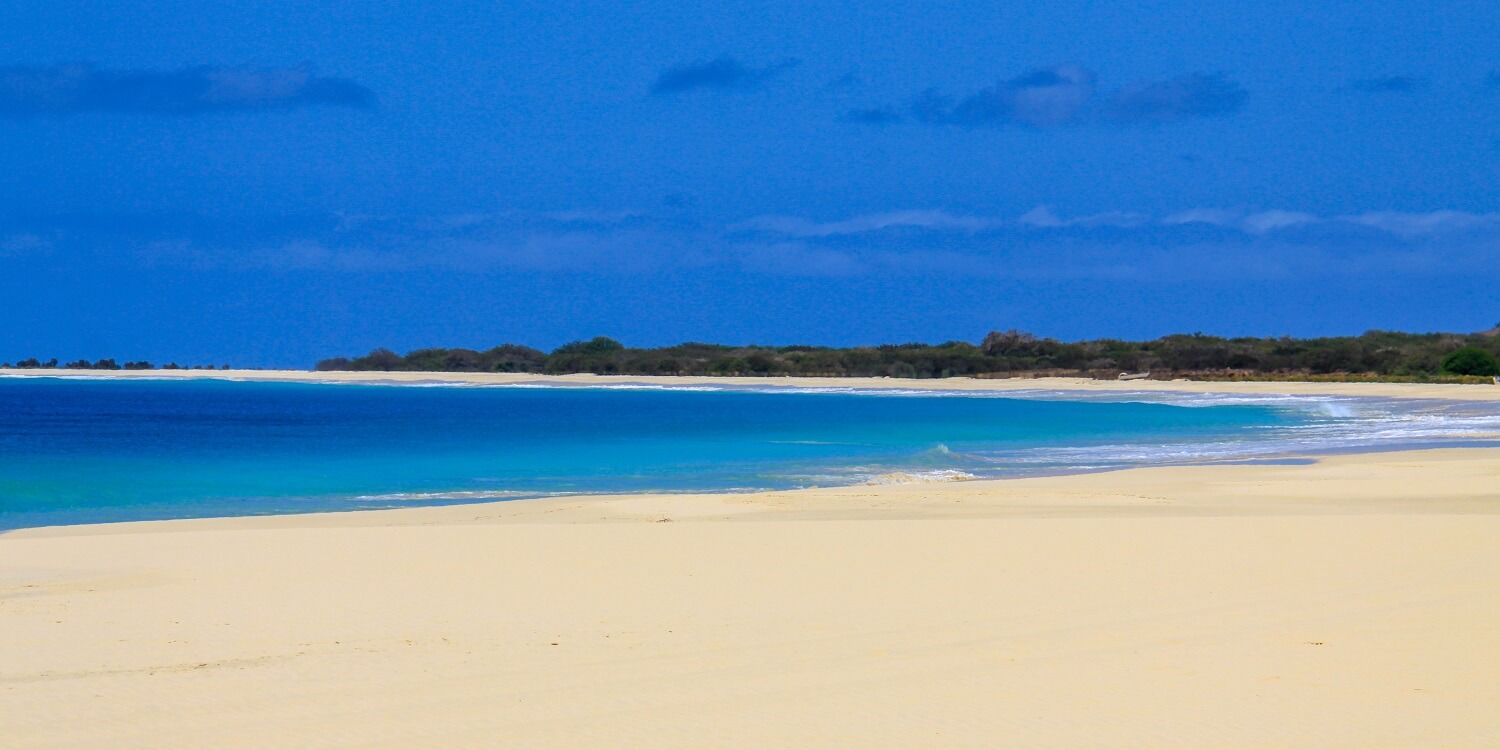
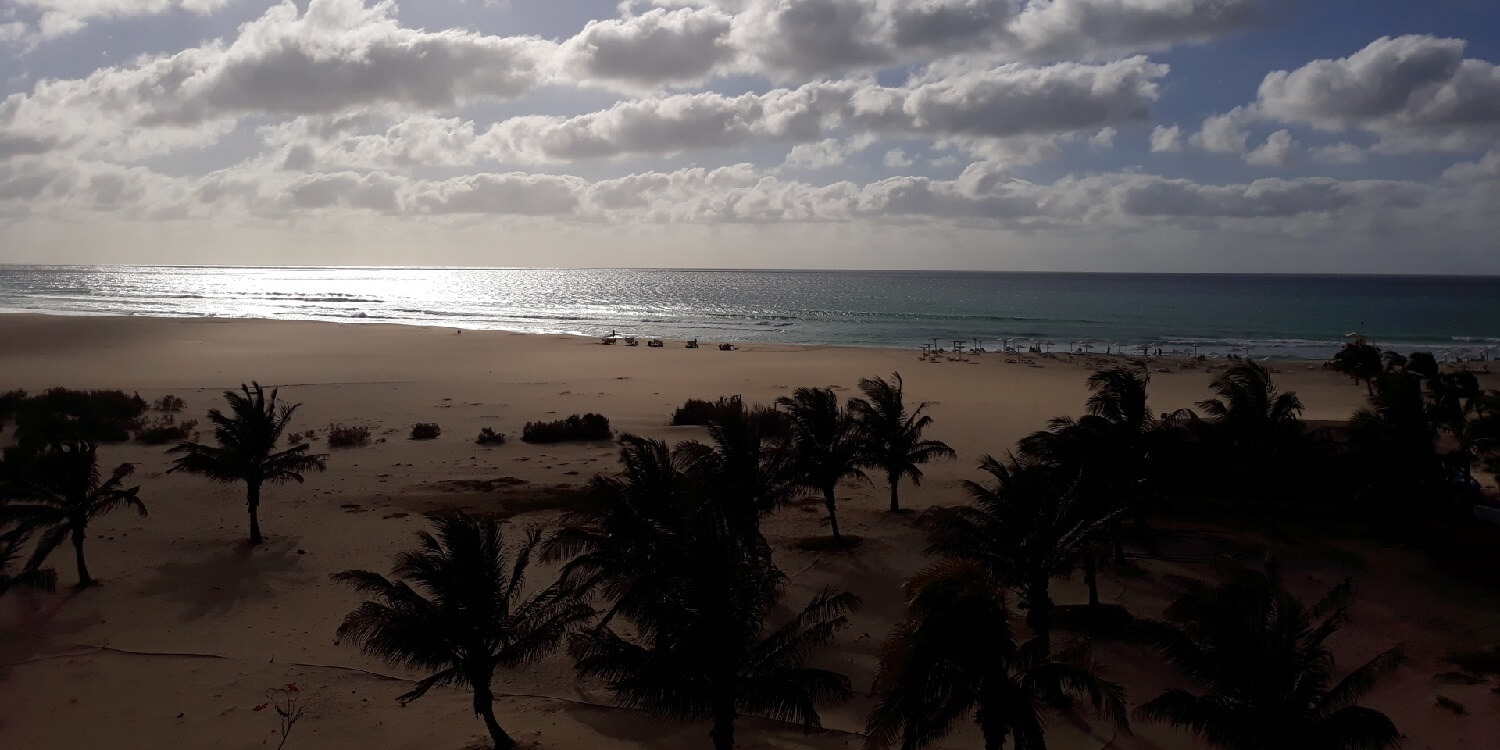
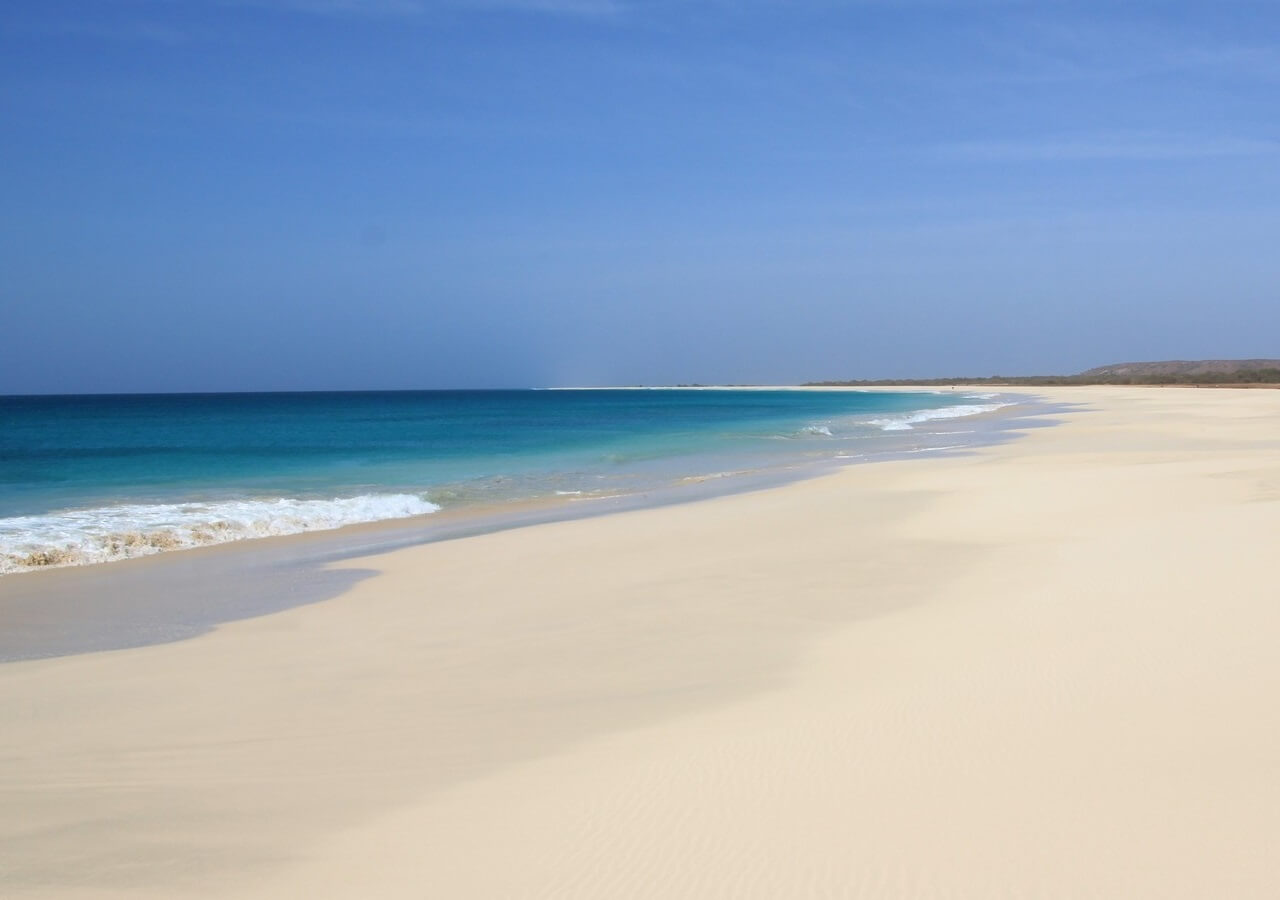
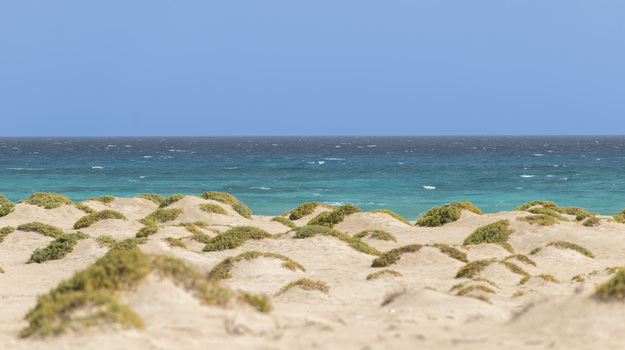
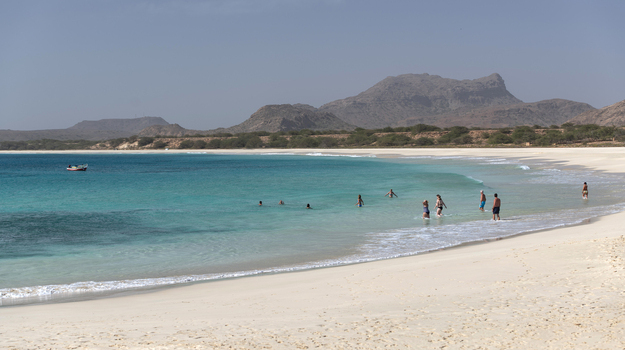
A staggering 55 kilometers of uniquely bright sands contrast against the azure waters unique to Cabo Verde.
An island where relaxation comes naturally and paradise feels real.
Home to some of the best beaches in Cape Verde, Boa Vista is defined by its endless stretches of white sand and crystal-clear waters. It’s a destination designed for rest, where time slows down and every moment invites you to unwind.
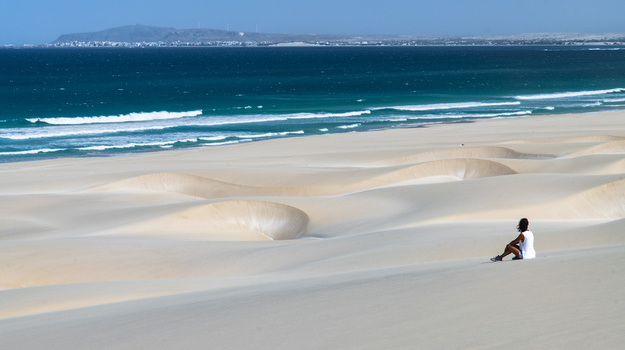
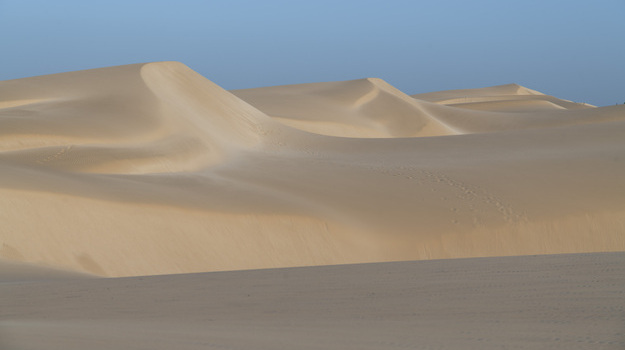
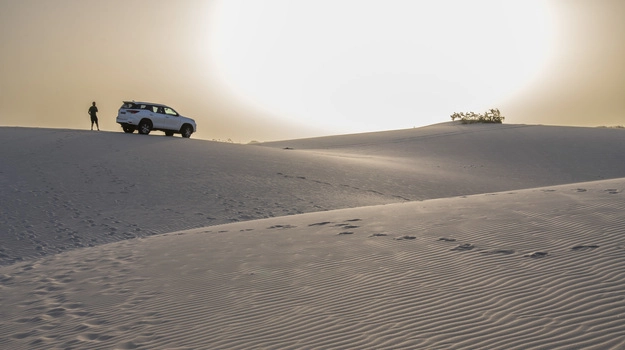
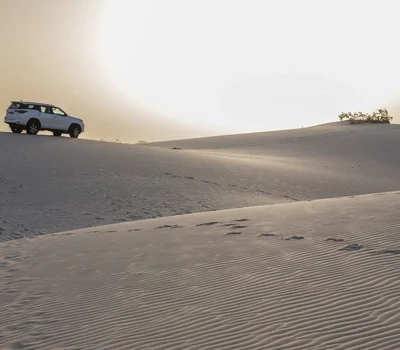
One of the island’s most unique features is its Saharan sand dunes. Carried by Atlantic winds from the Sahara Desert, these golden sands shape surreal landscapes rarely found elsewhere in Cape Verde, blending desert beauty with tropical coastline.
Complementing this natural wonder is a strong hospitality offering, with high-quality resorts and beachfront hotels that transform Boa Vista into the idyllic ocean escape travelers dream about.
About Boa Vista
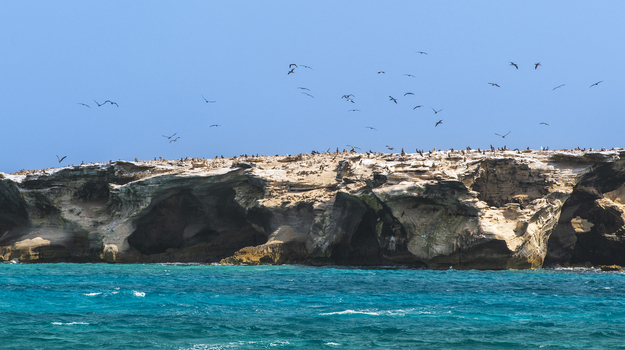
Though known as an island, Boa Vista is surrounded by charming islets that offer a variety of leisure and sports activities. Notable among them are Ilhéu de Curral Velho, Ilhéu dos Pássaros, Ilhéu de Sal Rei, and Fort Duque de Bragança.
Boa Vista is the closest island in Cape Verde to the African mainland, located just 455 km from the coast.
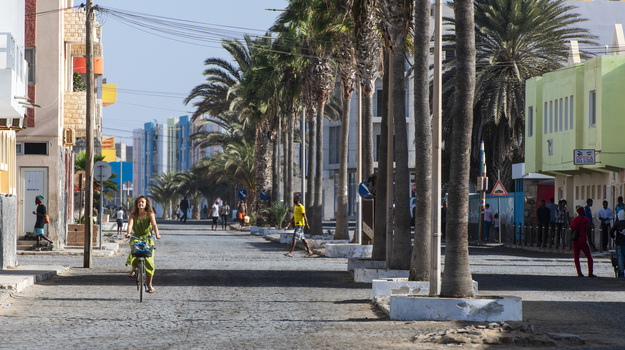
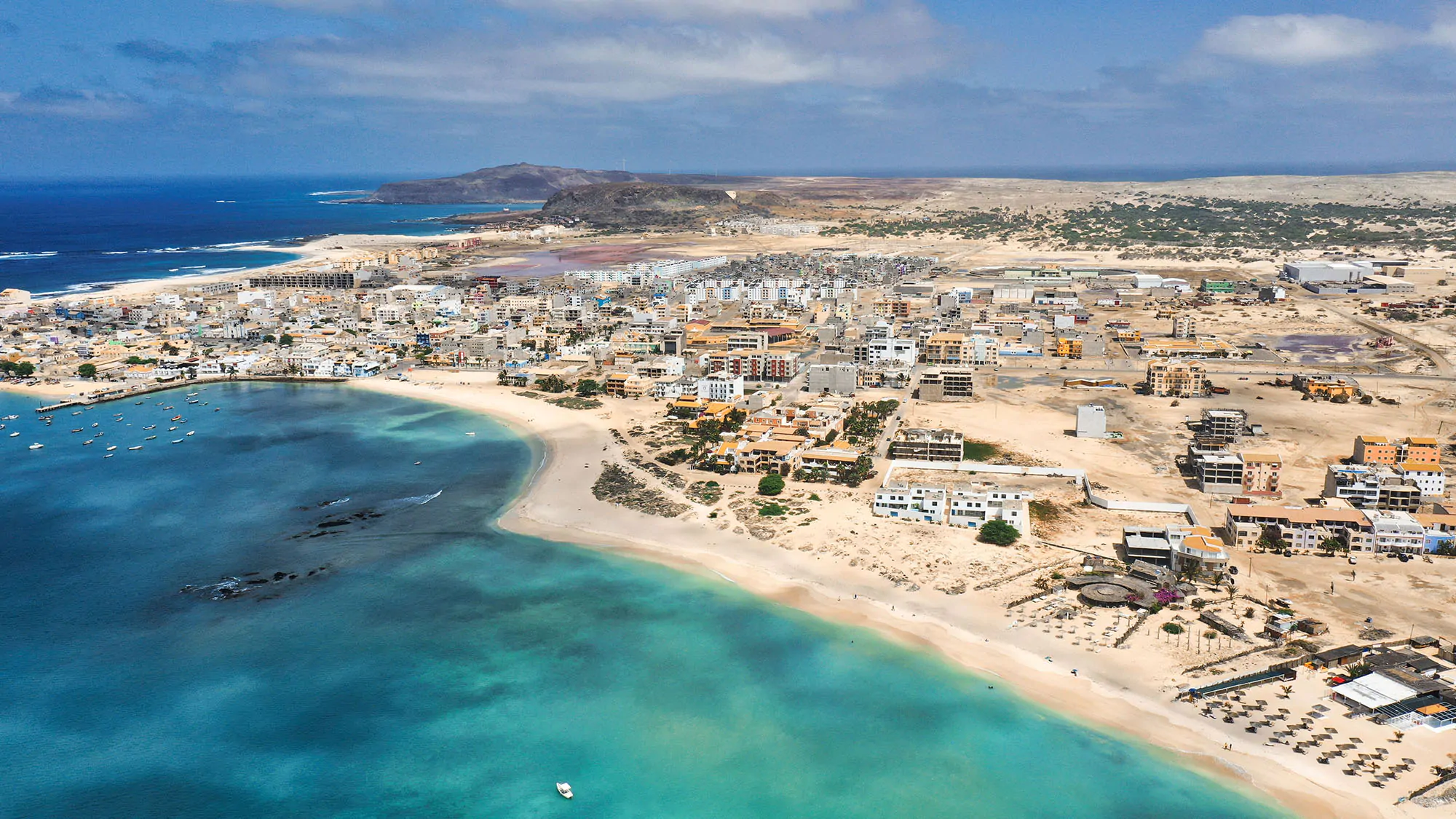
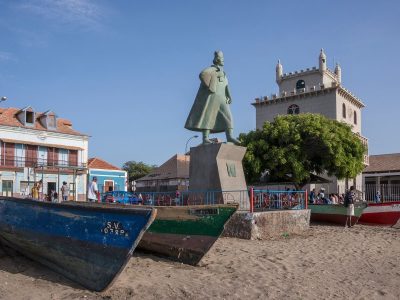
Its capital, Sal-Rei, is usually the first stop for visitors, welcoming everyone with the island’s signature morabeza. Quiet and relaxed, with little traffic, it’s a hub of leisure, tourism, morna music, and local traditions.
Among the island’s most remarkable highlights are its “7 Wonders”: Mount Santo António; Rocha Estância; Buracona; Baía de Sal Rei; Praia de Santa Mónica; Deserto de Viana; Turtle Natural Reserve
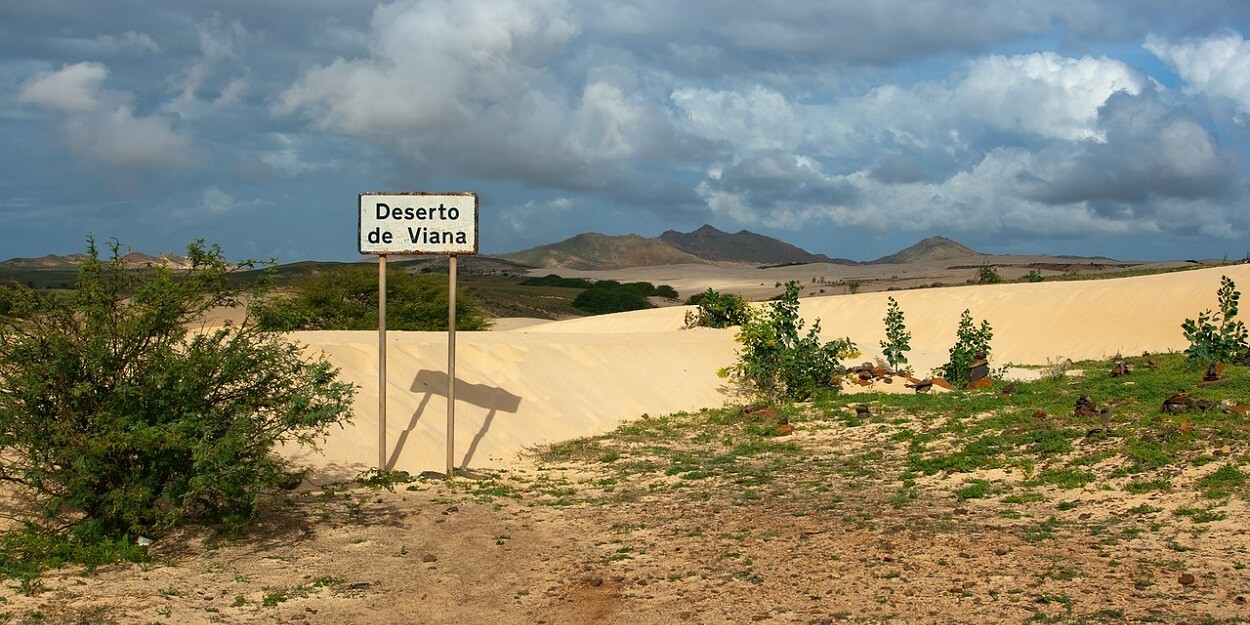
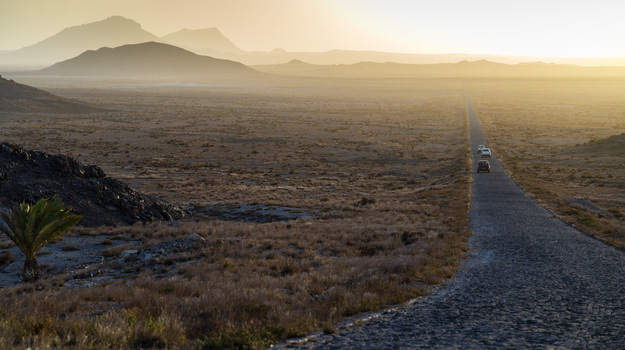
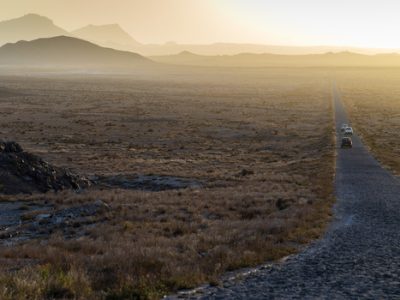
Boa Vista is a land of wild beauty shaped by dunes, deserts, and volcanic landscapes. The Viana Desert, with its shifting white sands mixed with volcanic rock, offers a unique “lunar” scenery perfect for 4×4 adventures and stargazing.
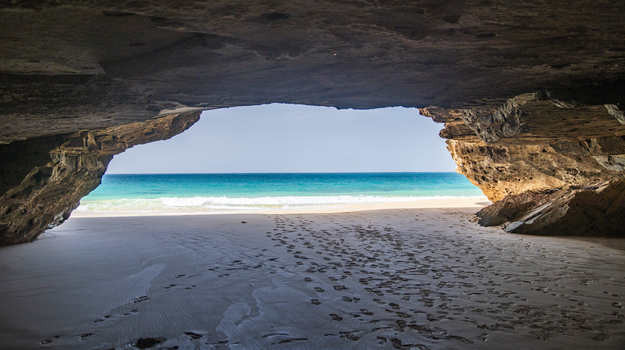
Nature lovers can explore mountains like Santo António and Rocha Estância, coastal caves such as Buracona, and natural reserves across the island.
Wildlife experiences are a highlight — from turtle nesting beaches to humpback whale watching (March–May).
Scenic lagoons, oases, and islets complete the island’s raw and untouched environment.
Boa Vista is famed for having some of the most beautiful and unspoiled beaches in Africa.
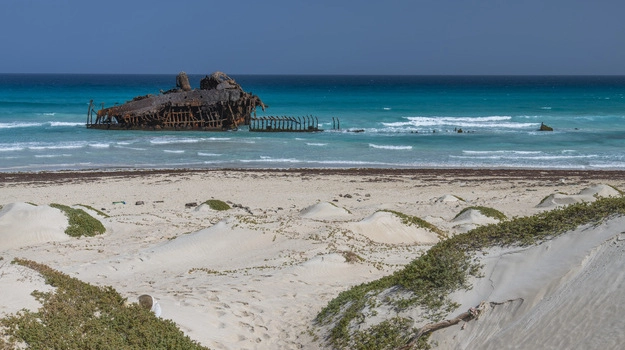
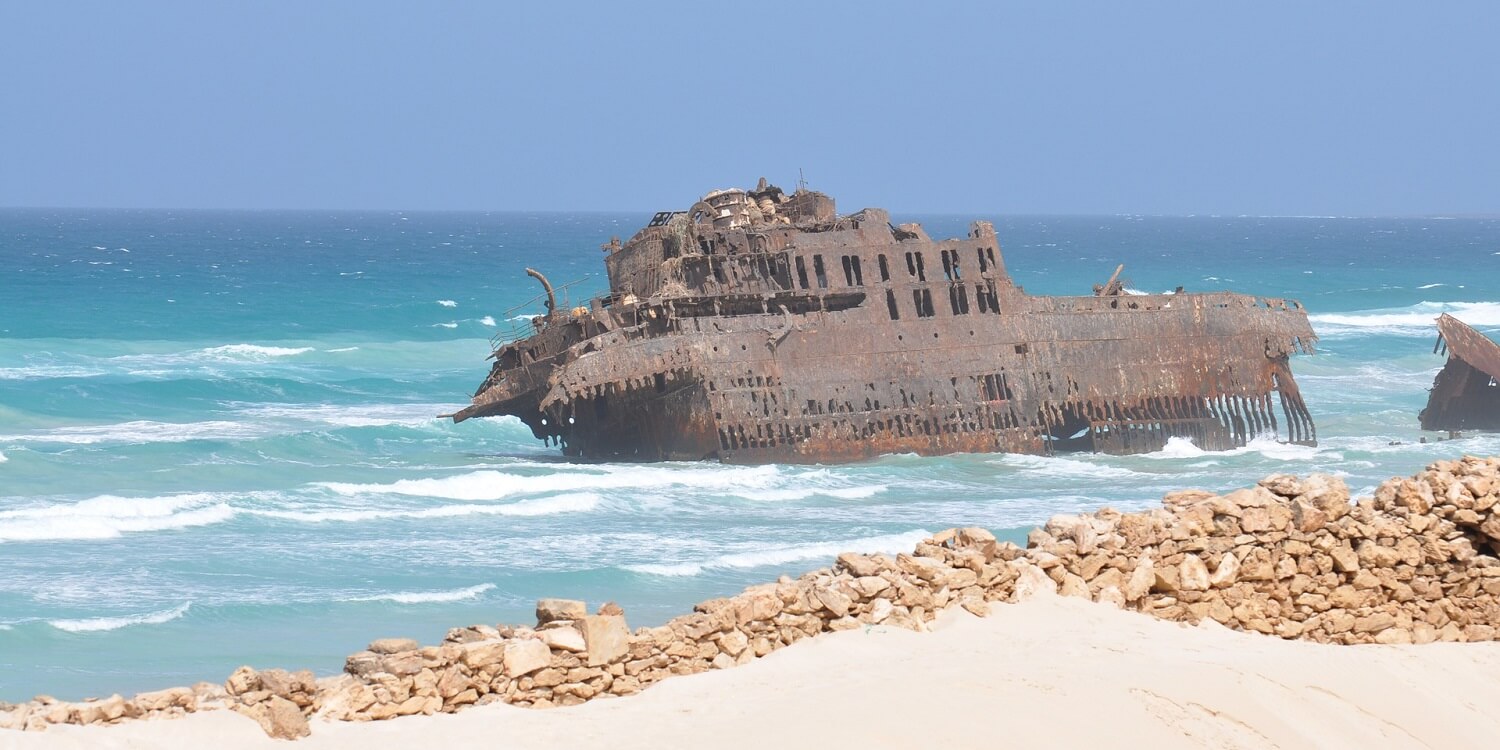
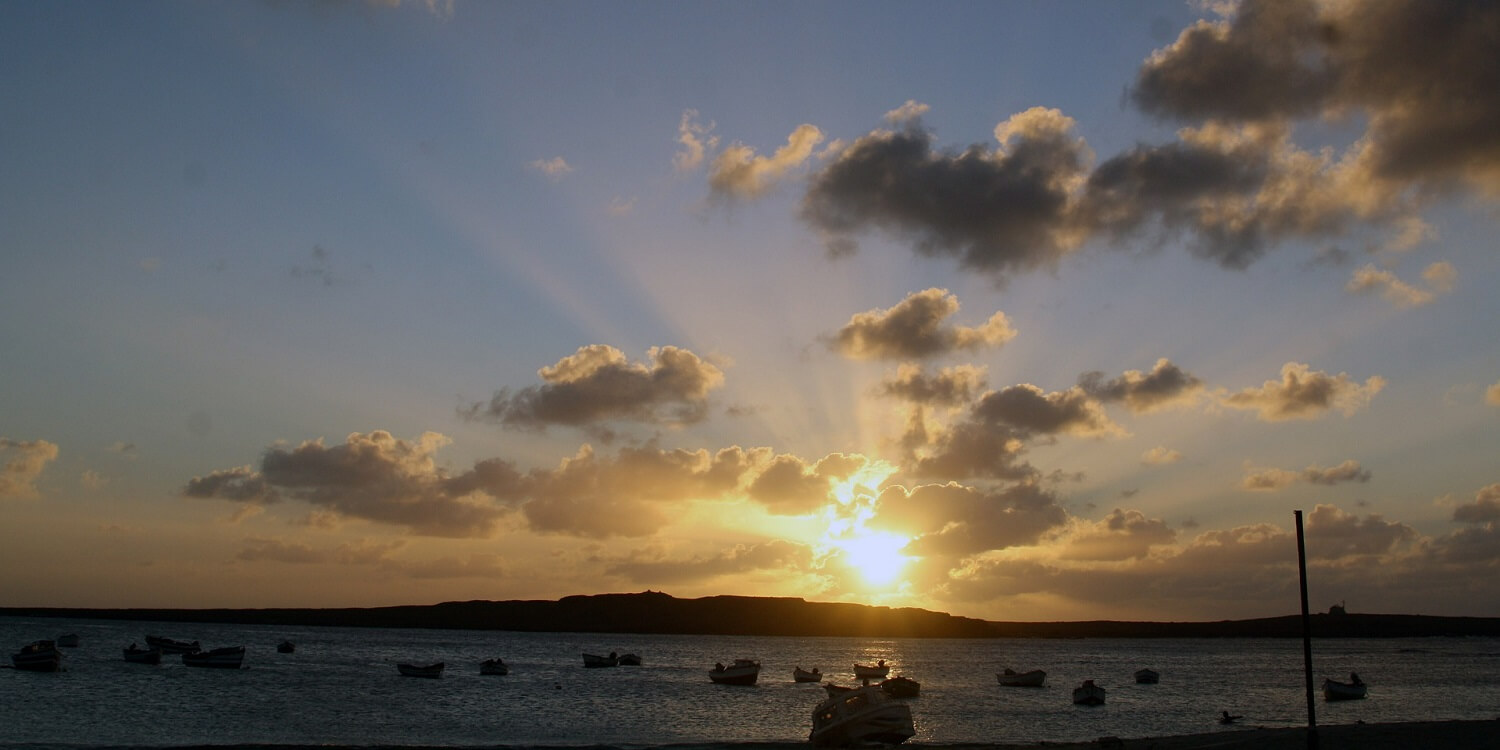
From the vast 11-km stretch of Santa Mónica to the shipwreck-framed Atalanta Beach, each coastline offers a different atmosphere. Chaves Beach is ideal for sunsets and long walks, while Curralinho stands out for its rock formations.
Many beaches remain wild and quiet, accessible by sandy tracks.
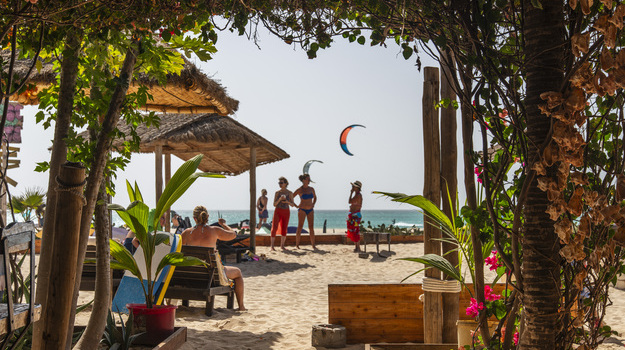
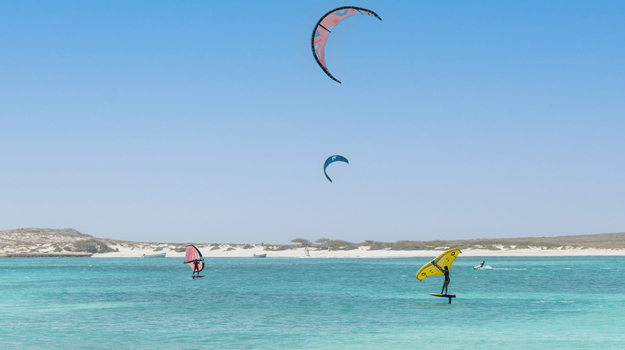
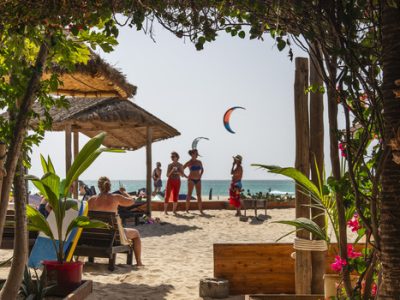
The island is also a hub for water sports — including kitesurfing, windsurfing, diving, snorkeling, and sport fishing — especially around Sal Rei and Morro de Areia.
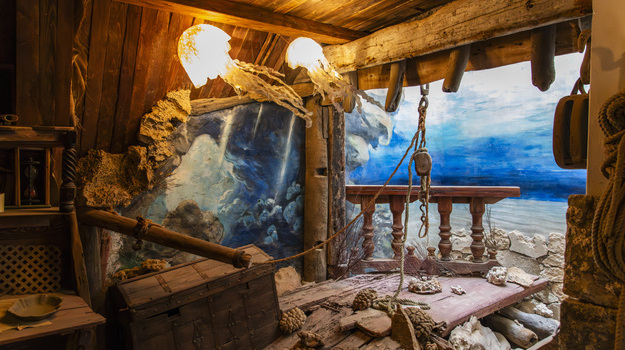
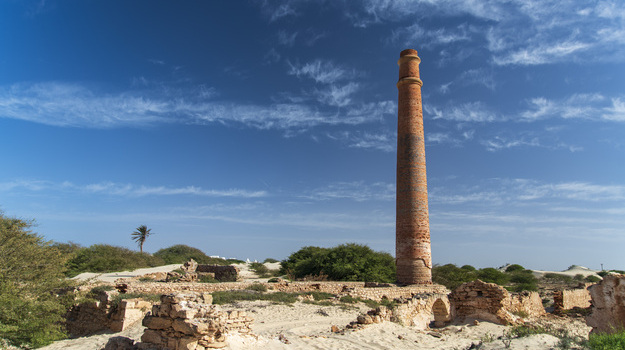
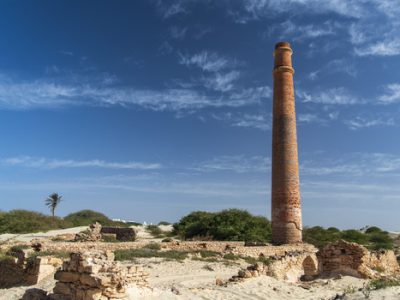
Discovered in 1460, Boa Vista’s history is rooted in salt trade, fishing, and colonial settlement. Sal Rei, the capital, showcases colonial architecture, salt-pan heritage, museums, and the historic Duque de Bragança Fort.
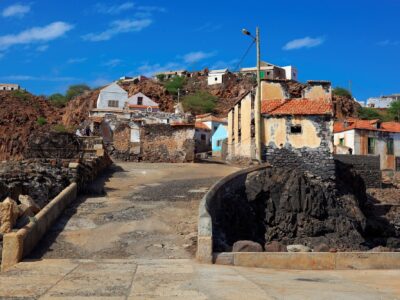
Cultural villages like Povoação Velha — the island’s first capital — preserve traditions and rural charm.
Rabil is known for pottery and ceramics, while northern villages reflect agricultural life.
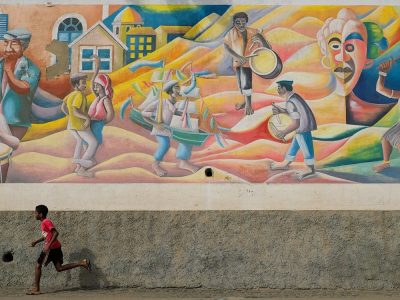
Festivals bring the culture alive, including Praia d’Cruz Festival, Santa Isabel Feast, and other music and religious celebrations filled with morna rhythms and local traditions.
Boa Vista blends resort comfort with authentic island living. In tourist zones, visitors find diverse restaurants serving international cuisine alongside Cape Verdean staples like cachupa.
Outside these areas, dining is more local and limited but culturally rich. Sal Rei is the social heart, with bars, hotels, and seaside hangouts.
Fishing, especially tuna and lobster, shapes daily life.
Visitors can connect with locals, experience “morabeza” hospitality, and enjoy the island’s relaxed, tranquil pace.
Boa Vista is easily reached via Rabil International Airport. Transport around the island includes excursions, taxis, and 4×4 rentals — recommended for sandy terrain.
The local currency is the Cape Verdean Escudo (CVE).
Essentials to pack include sunblock, light clothing, comfortable shoes, water, and a camera. Accommodation ranges from luxury resorts to guesthouses, mostly based in Sal Rei.
Visa requirements vary by nationality, so travelers should check official government guidance before arrival.
- Overview
-
Though known as an island, Boa Vista is surrounded by charming islets that offer a variety of leisure and sports activities. Notable among them are Ilhéu de Curral Velho, Ilhéu dos Pássaros, Ilhéu de Sal Rei, and Fort Duque de Bragança.
Boa Vista is the closest island in Cape Verde to the African mainland, located just 455 km from the coast.
Its capital, Sal-Rei, is usually the first stop for visitors, welcoming everyone with the island’s signature morabeza. Quiet and relaxed, with little traffic, it’s a hub of leisure, tourism, morna music, and local traditions.
Among the island’s most remarkable highlights are its “7 Wonders”: Mount Santo António; Rocha Estância; Buracona; Baía de Sal Rei; Praia de Santa Mónica; Deserto de Viana; Turtle Natural Reserve - Explore & Nature
-
Boa Vista is a land of wild beauty shaped by dunes, deserts, and volcanic landscapes. The Viana Desert, with its shifting white sands mixed with volcanic rock, offers a unique “lunar” scenery perfect for 4×4 adventures and stargazing.
Nature lovers can explore mountains like Santo António and Rocha Estância, coastal caves such as Buracona, and natural reserves across the island.
Wildlife experiences are a highlight — from turtle nesting beaches to humpback whale watching (March–May).
Scenic lagoons, oases, and islets complete the island’s raw and untouched environment. - Beaches & Sea
-
Boa Vista is famed for having some of the most beautiful and unspoiled beaches in Africa.
From the vast 11-km stretch of Santa Mónica to the shipwreck-framed Atalanta Beach, each coastline offers a different atmosphere. Chaves Beach is ideal for sunsets and long walks, while Curralinho stands out for its rock formations.
Many beaches remain wild and quiet, accessible by sandy tracks.
The island is also a hub for water sports — including kitesurfing, windsurfing, diving, snorkeling, and sport fishing — especially around Sal Rei and Morro de Areia. - Culture & Heritage
-
Discovered in 1460, Boa Vista’s history is rooted in salt trade, fishing, and colonial settlement. Sal Rei, the capital, showcases colonial architecture, salt-pan heritage, museums, and the historic Duque de Bragança Fort.
Cultural villages like Povoação Velha — the island’s first capital — preserve traditions and rural charm.
Rabil is known for pottery and ceramics, while northern villages reflect agricultural life.
Festivals bring the culture alive, including Praia d’Cruz Festival, Santa Isabel Feast, and other music and religious celebrations filled with morna rhythms and local traditions. - Food, Drink & Local Life
-
Boa Vista blends resort comfort with authentic island living. In tourist zones, visitors find diverse restaurants serving international cuisine alongside Cape Verdean staples like cachupa.
Outside these areas, dining is more local and limited but culturally rich. Sal Rei is the social heart, with bars, hotels, and seaside hangouts.
Fishing, especially tuna and lobster, shapes daily life.
Visitors can connect with locals, experience “morabeza” hospitality, and enjoy the island’s relaxed, tranquil pace. - Plan Your Trip
-
Boa Vista is easily reached via Rabil International Airport. Transport around the island includes excursions, taxis, and 4×4 rentals — recommended for sandy terrain.
The local currency is the Cape Verdean Escudo (CVE).
Essentials to pack include sunblock, light clothing, comfortable shoes, water, and a camera. Accommodation ranges from luxury resorts to guesthouses, mostly based in Sal Rei.
Visa requirements vary by nationality, so travelers should check official government guidance before arrival.
Gallery